Hanging 100 Feet in the Air: A Texas Rollercoaster Rescue Unfolds
On a late-May afternoon at Galveston’s Pleasure Pier, what should have been a thrilling ride turned into a tense waiting game. A rollercoaster malfunction left riders stranded roughly 30 meters above the ground, prompting a rapid response from local firefighters. While no injuries were reported, the incident has reignited conversations about amusement park safety standards across the United States.
How the Rescue Operation Unfolded
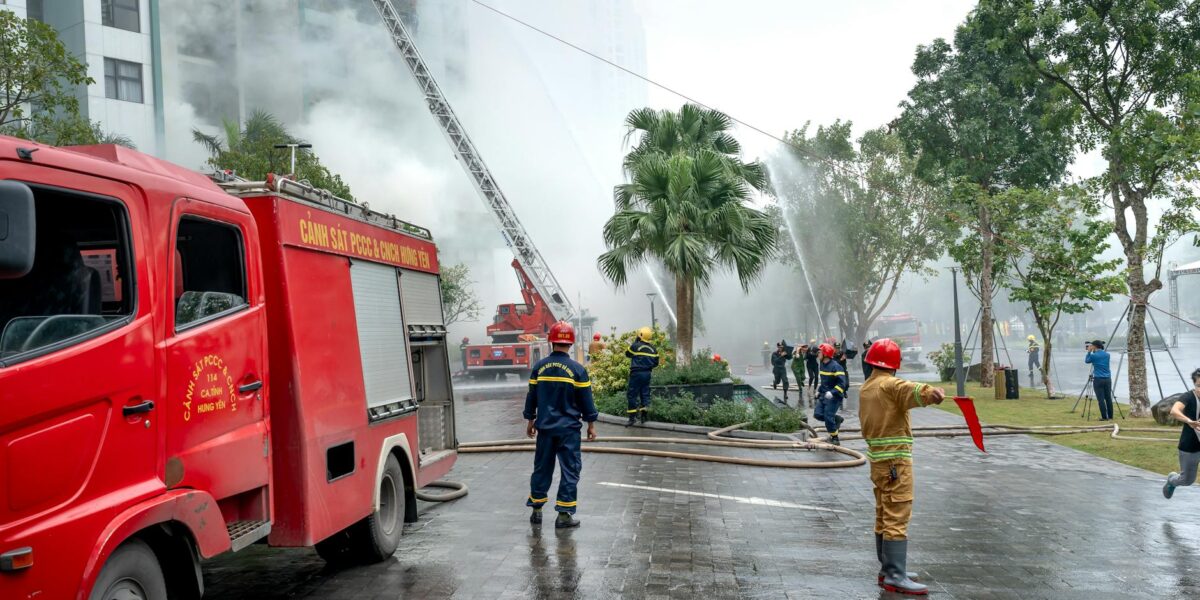
Firefighters arrived at the scene to find the rollercoaster car motionless near the peak of the ride’s highest drop. The height—equivalent to a ten-story building—meant that a simple ladder wouldn’t suffice. Instead, crews used a combination of aerial platforms and specialized harnesses to reach the stranded passengers one by one. The process took several painstaking hours, but every rider was eventually brought down safely.
This kind of operation isn’t improvised on the spot. Most major amusement parks work closely with local emergency services to establish amusement park safety protocols well before a crisis occurs. These drills cover everything from evacuation routes to communication codes, ensuring that when a real emergency hits, responders know exactly what to do.
Why We Don’t Hear About These Rescues More Often
Statistically, rollercoasters are incredibly safe. According to the International Association of Amusement Parks and Attractions, the chance of a fatal injury on a fixed-site ride is roughly 1 in 750 million rides. Yet when a malfunction does happen—like the one in Galveston—it dominates headlines. That’s because the fear of heights and loss of control taps into a primal anxiety that statistics can’t soothe.
What the public rarely sees is the extensive engineering that goes into preventing such failures. Rides are inspected daily, weekly, and annually, with sensors monitoring everything from wheel friction to bolt torque. When a ride stops, it’s often by design: safety systems detect an anomaly and halt the ride as a precaution. In many cases, the car is stuck because the brakes engaged automatically, not because the coaster was in imminent danger of derailing.
Original Insight: The Human Factor in Mechanical Failure
Behind every rollercoaster rescue is a story of human judgment. While the mechanics of the ride are rigorous, the decision to dispatch rescue crews, the timing of the evacuation, and the communication with trapped riders are all subjective calls. This incident reveals a quiet truth: amusement park safety is as much about human training as it is about hardware. In Galveston, firefighters had to evaluate wind conditions, the weight distribution in the car, and the psychological state of the passengers before they could even begin the climb. That blend of engineering and empathy is what makes these rescues both rare and remarkably reliable.
What Passengers Should Know Before Riding
If you’re planning a trip to an amusement park this summer, here are a few practical tips informed by incidents like this one:
- Follow all ride restrictions — Height, weight, and health warnings exist for a reason.
- Stay calm if a ride stops — In most cases, you are safer staying in the car than climbing out.
- Listen to ride operators and emergency personnel — They are trained to guide you through the situation.
- Check park inspection records — Many states publish ride safety reports online.
Conclusion: A Reminder of the System at Work
The Galveston rollercoaster rescue ended without injury, which is a testament to the systems that parks and emergency services have built over decades. It’s easy to focus on the dramatic image of a stranded car against the sky, but the real story is the invisible network of maintenance, training, and communication that made the safe outcome possible. Next time you buckle into a coaster, you can take comfort in knowing that behind the thrill is a robust foundation of amusement park safety.
For more on safety protocols, see our article on Kenya school fire tragedy and Swiss train station knife attack. Learn more about ride safety from the International Association of Amusement Parks and Attractions and U.S. Consumer Product Safety Commission.