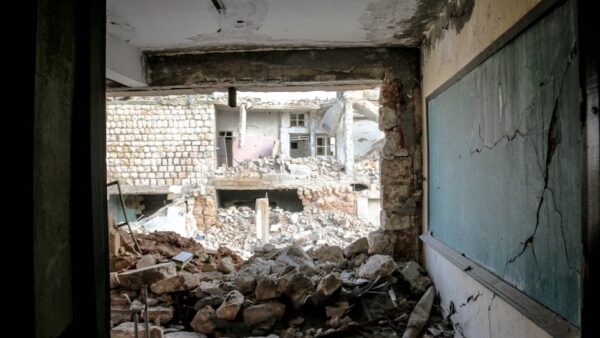
Ebola border closures have brought daily life to a grinding halt for thousands of families who depend on cross-border commerce between the Democratic Republic of the Congo and Uganda. For the traders who gather at dawn along the porous border, the outbreak of Ebola is not just a health crisis — it is an economic gut punch. In recent weeks, as the number of suspected cases in the DRC climbed toward 750, authorities moved swiftly to close weekly border markets and station health workers at the bustling Mpondwe crossing. These steps are meant to stop the virus from leaping across the frontier, but for thousands of families who depend on cross-border commerce, they have brought daily life to a grinding halt.
A fragile lifeline severed by Ebola border closures
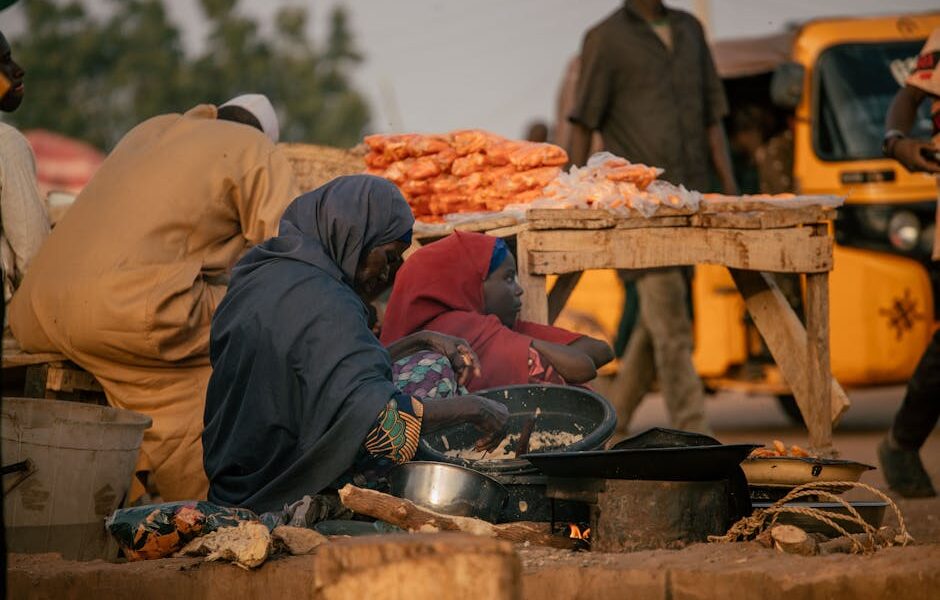
The market at Mpondwe has long been a chaotic, vital artery. Congolese farmers haul in cassava, plantains, and palm oil; Ugandan merchants arrive with soap, sugar, and secondhand clothes. On a good week, a vendor can earn enough to feed a family of six. But when authorities suspended the market indefinitely, that flow of goods — and cash — dried up almost overnight.
“We understand why they have to protect us from the sickness,” a fish seller from the Congolese side told a local reporter last week. “But if we cannot sell, we will starve before we catch Ebola.” The sentiment echoes through makeshift stalls that now stand empty, a silence broken only by the distant rumble of trucks carrying medical supplies.
Public health versus public livelihood
This tension between disease control and economic survival is hardly new in the region. During the 2018–2020 outbreak in eastern DRC, similar closures triggered protests and, in some cases, violence against health workers. Epidemiologists point out that border markets are high-risk environments — crowded, mobile, and lacking sanitation — but they also serve as the primary source of income for hundreds of thousands of people living hand-to-mouth.
Dr. Amina Kigongo, a public health specialist who has worked on Ebola response in Uganda, says the challenge is one of balance. “We cannot afford to let the virus cross, but we also cannot afford to break communities’ trust. If people feel they are being punished, they will hide symptoms and cross through unofficial paths. That makes containment even harder.”
The hidden cost of containment
What rarely makes the headlines is the secondary damage: children pulled out of school because families can no longer afford fees; rising debts to local moneylenders; and the quiet migration of young men toward artisanal mining camps where Ebola screening is virtually nonexistent. A study by the Congolese Institute for Public Health in 2024 found that during previous lockdowns, excess deaths from malnutrition and untreated malaria actually outpaced Ebola deaths in some border zones.
In other words, the cure — if applied bluntly — can become its own kind of crisis.
What a smarter response looks like
There are alternatives. In Guinea, during the 2021 resurgence, health officials worked with village chiefs to set up rotating market days with mandatory hand-washing stations and temperature checks, keeping trade alive while reducing risk. Uganda’s own Ministry of Health has piloted a “health passes” system for cross-border transporters, allowing trusted traders who test negative to move goods without a 14-day quarantine.
Such measures demand coordination between two governments that have not always seen eye to eye. The DRC and Uganda have historically wrangled over mineral smuggling and rebel activity, and mistrust runs deep. Yet the virus does not recognize border posts, and neither should the solution. For more on the broader impact of Ebola border closures, see our analysis of Ebola’s Return in Congo and Ebola’s New Front: How a Border Crossing Sparked Uganda’s Latest Health Emergency.
Beyond the numbers
As the count of suspected cases inches higher, it is easy to reduce this story to a tally — 750, then 800, then something worse. But behind every digit is a market vendor wondering how to pay next month’s rent, a mother weighing the risk of a clinic visit against the certainty of an empty pot, and a health worker trying to enforce rules that sometimes hurt the people they are meant to protect.
The border at Mpondwe remains open to essential traffic, but for many, essential is a luxury they can no longer afford. The real test for Uganda and the DRC will be whether they can contain the outbreak without containing hope. For more on global health responses, see the World Health Organization’s Ebola page and CDC’s Ebola resources.