In the early hours of a quiet Sunday morning, a nine-story building under construction in Angeles City, just 90 kilometers north of Manila, came crashing down in a heap of twisted scaffolding and shattered concrete. This devastating building collapse Philippines tragedy, which occurred around 3 a.m. local time, has so far claimed at least one life and left around 20 people feared trapped beneath the rubble. For the families of those workers, and for a nation all too familiar with infrastructure tragedies, this is not just a news story—it’s a haunting reminder of systemic failures that keep repeating.
One Man’s Final Phone Call: A Building Collapse Philippines Story
The single confirmed fatality was a 65-year-old Malaysian man who had been staying in a nearby hotel. According to acting Philippine fire chief Rico Kwan Tiu, the victim managed to call rescuers while pinned under a collapsed hotel wall, describing his location and pleading for help. By the time they reached him, he was gone. It’s a detail that underscores both the heroism of rescue workers and the sheer unpredictability of such disasters—where a building’s debris can reach across a street and claim lives in places you’d never expect.
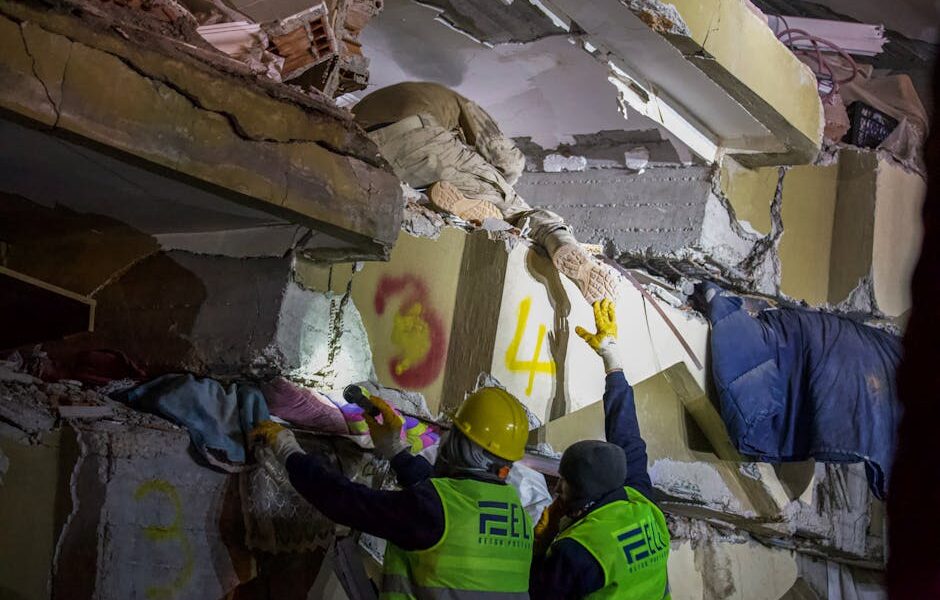
Rescuers have so far pulled 24 people from the construction site itself and two more from that adjacent hotel, which was struck by falling debris. But the work is far from over. Angeles City information officer Jay Pelayo told reporters that large chunks of concrete and mangled steel are making the operation painfully slow. “We need heavy equipment to lift them up,” he said. “That is what’s challenging for the rescue right now.”
Why Did It Fall? The Unanswered Questions Behind the Building Collapse Philippines
Officials have launched an investigation into the cause of the collapse, but the early clues paint a familiar picture. Witnesses described hearing a loud rumbling sound just before the structure gave way. One woman told the Daily Tribune that she briefly lost consciousness and woke up to find debris covering two entire streets. The building was still under construction, meaning it had not yet passed final safety inspections—a loophole that has proven deadly time and again in the Philippines.
Research into the country’s construction sector reveals a pattern of poor planning, design errors, and project mismanagement. This isn’t about a single rogue contractor; it’s a systemic issue. A 2021 study by the Philippine Institute of Civil Engineers found that nearly 40 percent of construction accidents in the country are linked to inadequate supervision and lack of compliance with building codes. And those are just the incidents that get reported.
A Broader Pattern of Infrastructure Tragedies
This building collapse Philippines didn’t happen in a vacuum. In January of this year, a landfill collapse in Cebu killed 11 waste workers, with several others pulled from under mounds of garbage. That disaster, like this one, involved a sudden failure of a man-made structure that should have been safe. The Cebu incident prompted calls for better enforcement of environmental and safety regulations, but little has changed on the ground. The same underlying problems—corruption, underfunded regulatory agencies, and a rush to complete projects—continue to put lives at risk.
What makes the Angeles collapse particularly tragic is the human toll on migrant workers. The deceased Malaysian man was likely in the Philippines for work, part of a vast flow of labor across Southeast Asia. Construction sites in the region often rely on a mix of local and foreign workers, many of whom are undocumented or poorly protected by labor laws. When a building falls, it’s not just a structural failure—it’s a failure to protect the most vulnerable people in the workforce.
What Comes Next for the Trapped and Their Families
As of Sunday evening, five people have been confirmed trapped under the debris, with two of them able to communicate with rescue teams by phone. That faint connection offers a sliver of hope, but it also adds immense pressure on rescuers. Every hour that passes without heavy lifting equipment increases the risk of further collapse or injury. The clock is ticking, and the families waiting outside the cordon know it.
Angeles City, a bustling urban center near the former Clark Air Base, has seen a construction boom in recent years as developers rush to meet demand for housing and commercial space. But booms can turn bust when safety takes a backseat. This building collapse Philippines should serve as a wake-up call—not just for the local government, but for the entire industry. Until building codes are enforced, inspections are rigorous, and workers are protected, more families will receive that heartbreaking phone call in the middle of the night.
For now, all eyes remain on the rescue site. The sound of metal being cut and concrete being broken is a grim soundtrack, but for those still alive under the rubble, it’s the sound of hope.
For more on infrastructure safety, read our analysis of the human cost of China’s coal rush. Learn about safety lessons from the Philippine building collapse.