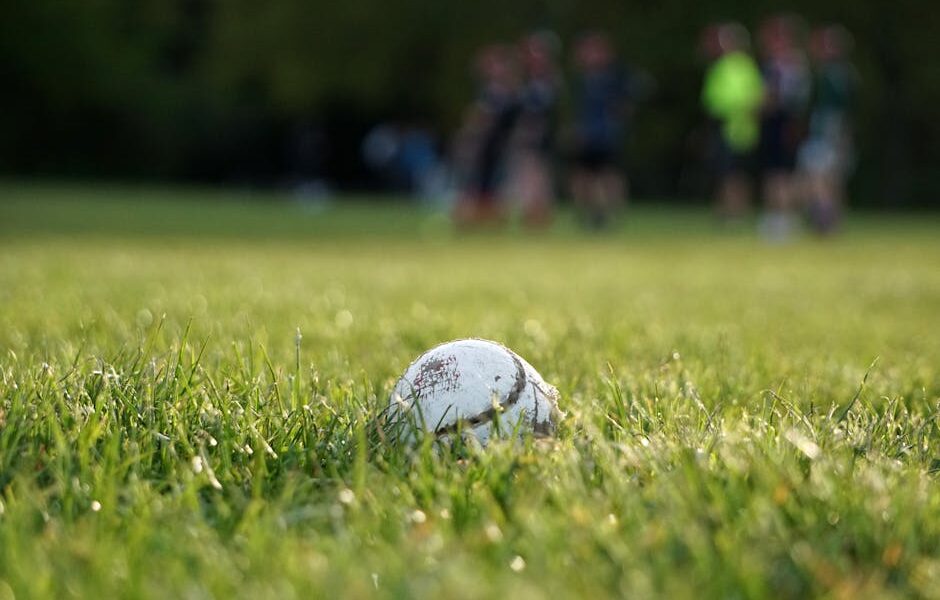
It was supposed to be a day of celebration. A comprehensive win over Carlow in the Joe McDonagh Cup, a team playing with conviction, a sun-drenched Corrigan Park crowd heading home happy. Instead, that same dressing room became the stage for a bombshell: the Davy Fitzgerald Antrim exit.
Davy Fitzgerald, the famously intense, 2013 All-Ireland-winning manager, has stepped down as Antrim senior hurling boss. He delivered the news straight to his players this afternoon, moments after the final whistle blew on a 3-26 to 1-15 victory. The result itself didn’t matter in the end—Laois’s win over London sealed Antrim’s fate anyway, denying them a spot in the Joe McDonagh Cup final on June 6th. But the manner of Fitzgerald’s exit, coming off a win and in the immediate aftermath, tells you everything you need to know about the fault lines beneath the surface.
Fitzgerald took the reins in 2024, succeeding Darren Gleeson on a two-year deal with an option for a third. It was always going to be a tough gig. Antrim hurling has long been the classic could-be, should-be story of the GAA: a county with genuine passion, raw talent, and a tradition that runs deep, but one that has spent decades grappling with the gravitational pull of football and the sheer dominance of the Munster and Leinster powerhouses. Fitzgerald’s tenure gave them survival—they stayed up in Division 1B of the Allianz League in both seasons—but the championship results simply didn’t follow. Relegation from the Leinster championship at the first hurdle in 2024, and again this year, a late flurry of three wins in the Joe McDonagh Cup wasn’t enough to push them over the line.
Yet, as is often the case with Fitzgerald, the numbers only tell half the story. The real drama has been off the pitch.
Behind the Scoreline: A Breakdown in the Boardroom
Just last month, Antrim GAA was forced to publicly deny rumours that the county board wanted Fitzgerald out. Those denials followed a period of reported tension within the squad, with concerns apparently raised by the players themselves. It’s the kind of noise that tends to follow a high-profile, high-emotion manager—Fitzgerald is not a man known for keeping his counsel or pulling punches.
According to reports, the Clare man cited a breakdown in trust with certain members of the county board as the core reason for his decision. This is not a surprise to anyone who has followed his career. Fitzgerald has always worn his heart on his sleeve, and he expects total commitment and transparency from everyone around him. When that trust erodes, he walks. We saw it before in Wexford. We saw it in Waterford. Now, we’re seeing it in Antrim.
This leaves the Saffrons in a precarious position. The summer is still young. The championship isn’t over for other counties, but for Antrim, the planning for 2027 begins now. They are back to square one, searching for a manager who can unite a board, a dressing room, and a fanbase that wants nothing more than to see this team take the next step.
What Fitzgerald Actually Leaves Behind
For all the drama, it’s worth stepping back. What did Davy Fitzgerald actually achieve in his two seasons? On paper, it’s mixed. Surviving in Division 1B is no small feat for Antrim—it means they are consistently rubbing shoulders with the likes of Clare, Waterford, and Galway. That exposure is gold dust for young hurlers. But the Championship coin has two sides. Getting beaten out the gate in Leinster, and then failing to convert a decent Joe McDonagh campaign into a final, feels like a missed opportunity. Especially when they finished with the momentum of three straight wins.
The players, though, will have learned something invaluable under Fitzgerald. They experienced the pressure cooker mentality of a manager who has won an All-Ireland. They faced the tough conversations and the high standards. They now know the level of intensity required. Whether that translates into a long-term legacy depends entirely on who comes next.
A County at a Crossroads
Antrim hurling is not a broken project. It’s a stalled one. The raw materials are there—look at the speed and skill on display against Carlow. But without stability, those pieces never quite form a coherent picture.
This brings us to the uncomfortable truth that many in the county will now have to face. The problem isn’t just on the field. It’s in the structures. Antrim GAA has a history of internal friction, of board-level politics interfering with on-field performance. When you hire a personality as big as Davy Fitzgerald, you know you’re getting fireworks. The question is: were the board ready to handle those fireworks, or were they looking for a quiet, agreeable voice? The evidence suggests the latter.
Fitzgerald will no doubt move on. He is too competitive, too driven to stay idle. He will be linked with every vacancy that comes up between now and next season. For Antrim, the clock is ticking. They need to act fast, and more importantly, they need to act smart. This isn’t just about finding a new name on the sideline. It’s about rebuilding a relationship of trust between the people in power and the people on the pitch.
If they don’t, history will simply repeat itself. And that would be the real tragedy—because Antrim hurling deserves more than another soap opera. It deserves a plan.
For more on the broader context of hurling management changes, see Leinster hurling power shift. Also, check out Munster hurling final set for another perspective on the championship landscape.
For authoritative analysis on GAA management dynamics, visit GAA.ie and RTÉ Sport GAA.