When international tensions flare, the political shockwaves rarely stay contained within borders. The recent escalation involving Iran is no exception, and its impact on the foreign crises political landscape is already being felt far beyond diplomatic circles — right down to the voting booth. As the 2026 midterm elections approach, the fallout from this conflict is creating unexpected winners and losers on both sides of the aisle.
How Foreign Crises Political Landscape Is Shifting Voter Priorities
For months, domestic issues like inflation, healthcare, and education dominated the conversation. But as headlines shifted from the economy to military deployments and diplomatic breakdowns, so did the concerns of many Americans. Voters who once focused on their pocketbooks are now asking tougher questions about national security and the cost of foreign entanglements.
This change in focus has proven to be a double-edged sword. Incumbents who previously campaigned on economic recovery are suddenly forced to defend their stance on military action, while challengers find new ammunition in foreign policy records. The Democratic Party’s internal report, which highlighted a persistent inability or unwillingness to listen to all voters, now seems prescient as party leaders scramble to address a crisis that few saw coming.
The Purge of Dissenting Voices
One of the most striking consequences of this new political climate was the ousting of Representative Thomas Massie. Known for his vocal push for the release of the Epstein files and his willingness to break with party orthodoxy, Massie became a casualty of a broader trend: the consolidation of power within the Republican Party.
President Trump, leveraging the heightened sense of national unity that often accompanies foreign crises, successfully purged many of his most vocal critics during the primaries. This move has reshaped the GOP into a more disciplined, albeit less diverse, coalition. As one former aide noted, “The party is now laser-focused on presenting a united front, even if it means silencing internal debate.”
Original Insight: The Historic Parallel
What we are witnessing today is not without precedent. History shows that foreign conflicts often accelerate political realignments. During the Gulf War, public approval for President George H.W. Bush soared, yet his party lost seats in the subsequent midterms. The Iran crisis appears to be following a similar pattern — rallying support around the executive in the short term, but sowing seeds of discontent among voters who worry about the long-term human and financial costs.
Interestingly, this crisis has also revived a conversation that many thought was dead: the idea of a third-party or independent movement. Disillusioned by both parties’ hawkish stances, a small but growing segment of voters is exploring alternatives. While unlikely to tip the scales in November, this sentiment could force both major parties to moderate their foreign policy platforms in future cycles.
What This Means for November
As the midterms draw closer, the key question is whether the Iran fallout will fade from memory or deepen into a defining issue. For Democrats, the challenge is to balance calls for de-escalation with the need to appear strong on national security. For Republicans, the risk lies in overplaying the crisis for political gain — a strategy that could backfire if the situation deteriorates further.
- Democratic Weakness: The party is still grappling with internal divisions between progressives who advocate for diplomacy and centrists who favor a more assertive stance.
- Republican Opportunity: A unified party message around security and patriotism could galvanize the base, especially in swing districts.
- Independent Voters: This group, often decisive in close races, appears split — with some valuing stability and others questioning the wisdom of endless foreign engagements.
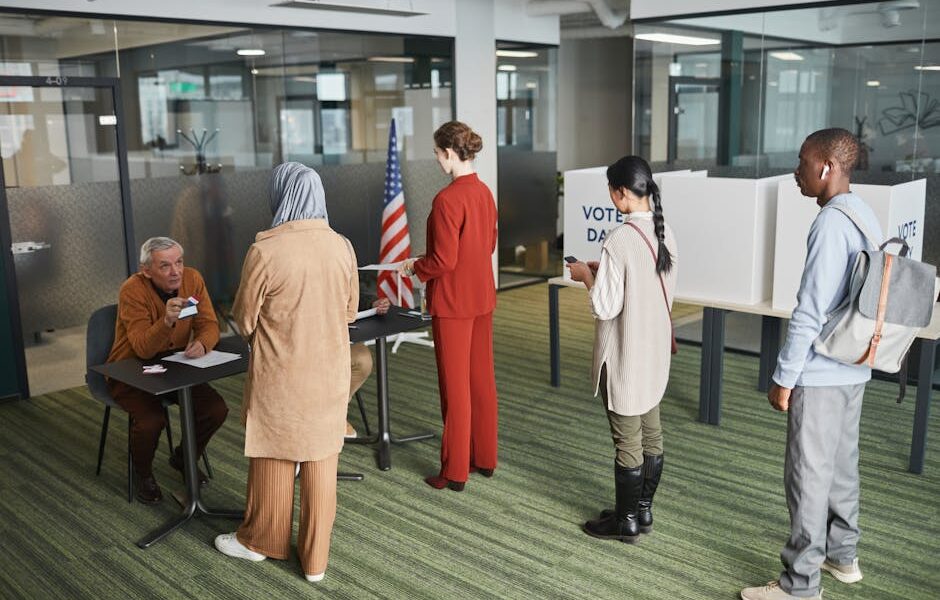
In the end, the election may hinge on a simple but powerful question: Are voters willing to sacrifice domestic priorities for the sake of international credibility? The answer, as always, will be written at the ballot box. For more on how global events shape domestic politics, see our analysis of Iran truce negotiations. For a broader perspective on democratic resilience, check out Erdogan’s grip on Turkish democracy. Learn more about the historical impact of foreign crises on elections from Council on Foreign Relations and Pew Research Center.