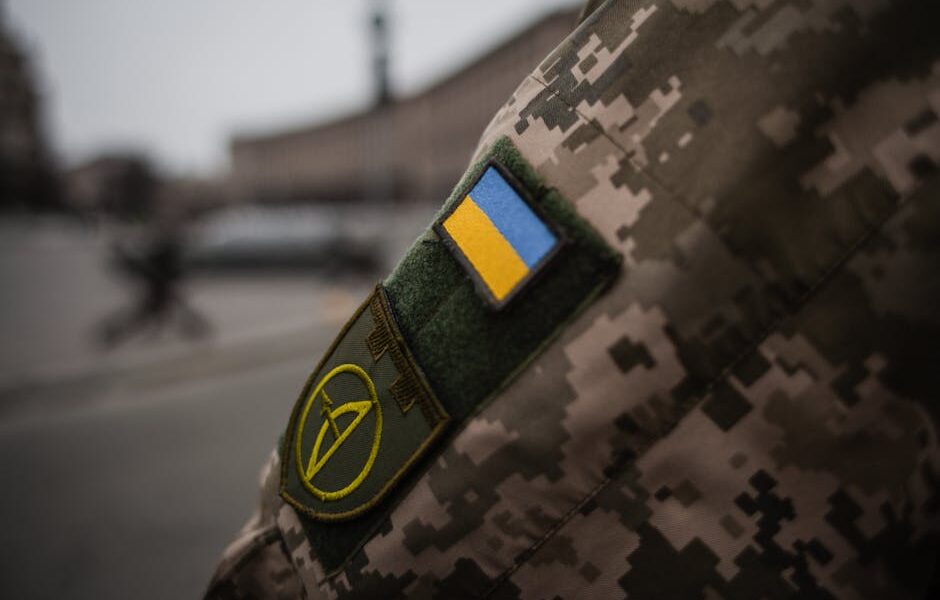
When news broke that a British national had died fighting alongside Ukrainian troops, it wasn’t just a tragedy for his family—it was a stark reminder that this war has become a global cause, drawing individuals from all corners of the world. While governments debate sanctions and shipments of heavy weaponry, a quieter, more personal movement has been unfolding: the arrival of foreign volunteers Ukraine who have answered Ukraine’s call for help, often at great personal risk.
Who Are These Foreign Volunteers Ukraine and Why Do They Fight?
These aren’t mercenaries or soldiers of fortune, despite what some headlines might suggest. The vast majority are former military personnel, veterans of conflicts in Iraq, Afghanistan, or the Balkans, who feel a moral obligation to step in. Some are driven by a sense of justice—watching cities like Mariupol or Bucha on the news and feeling they can’t sit idle. Others come from countries with small, professional armies and see this as a chance to defend democratic values against aggression.
The British man who lost his life is just one name in a growing list of foreigners killed in action. But his death shines a spotlight on a complex reality: these foreign volunteers Ukraine often operate in a legal gray zone, lacking the protections of official military status. If captured, they aren’t classified as prisoners of war in the same way as Ukrainian soldiers—a terrifying prospect that looms over every mission.
A Test of Resolve and Reality
Joining a foreign legion isn’t like signing up for the movies. Volunteers face language barriers, unfamiliar terrain, and the harsh Ukrainian winter. Command structures can be chaotic, and trust takes time to build. For every skilled sniper or medic who integrates seamlessly, there’s a story of a volunteer sent home after a few weeks, overwhelmed by the psychological toll of constant shelling and the brutal, industrial nature of this war.
It’s also worth noting that not all who offer help are welcome. Ukraine’s military has become more selective, wary of individuals seeking adventure rather than service. Several foreign units have been dissolved or restructured after internal disputes, highlighting the friction between idealism and the grim realities of the front line.
The Broader Implications for Global Security
This phenomenon isn’t just a footnote in the war; it’s a signal of how conflicts are evolving. We’re seeing a democratisation of warfare—where individuals, not just states, choose sides. This raises uncomfortable questions for governments back home. Should they discourage their citizens from joining? Provide support if they’re captured? Or simply stay silent, hoping the issue doesn’t make headlines?
For the families left behind, there’s the added agony of dealing with official silence. Unlike a soldier from a national army, there’s no dedicated liaison officer, no clear chain of command to notify next of kin. The news of a death often comes from a comrade’s phone call or a post on a Telegram chat, leaving loved ones to piece together what happened.
I spoke with a former British army medic who spent three months in a field hospital near Bakhmut. He told me the hardest part wasn’t the danger but the loneliness. ‘You’re not quite a local, not quite an ally—you’re a ghost,’ he said. ‘You do your job, and then you disappear back into civilian life, and no one knows what you saw.’
What Happens Next?
As the war grinds on, expect more stories like this. The flow of foreign volunteers Ukraine may slow as the initial surge of righteous anger fades, but it won’t stop. For every man or woman who dies, there will be another willing to pack a bag and board a plane to Poland. The question is whether the international community will turn a blind eye or start crafting a framework to protect—or at least acknowledge—those who fight not for a flag, but for a belief.
In the end, the death of one Briton in a distant field is a microcosm of a larger truth: this war belongs to us all now, and the cost is measured in more than just missiles and economic sanctions. It’s measured in fragments of lives, scattered across a frozen landscape. For more on how global conflicts reshape politics, see The Ripple Effect: How Foreign Crises Are Reshaping America’s Political Landscape. Learn about the legal challenges faced by volunteers from International Committee of the Red Cross.