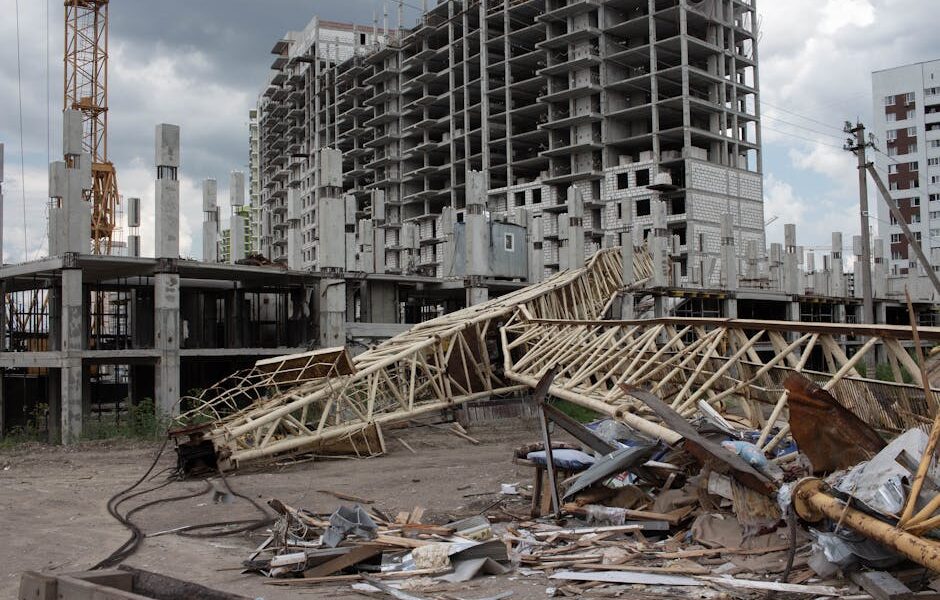
When a massive concrete overpass gave way near Seoul on a Tuesday morning, the world saw yet another tragic image of modern infrastructure safety failing. Three people lost their lives, and several more were injured in the collapse of a bridge that had been under construction in Cheonan, about 85 kilometers south of the capital. While the immediate cause is still under investigation, the incident has reignited a much-needed conversation about how quickly aging or poorly built infrastructure can turn deadly.
Infrastructure Safety: A Routine Moment Turned Catastrophic
The collapse occurred around 9:45 a.m. local time, as workers were reportedly pouring concrete on the deck of the overpass. Without warning, a large section of the structure buckled and crashed onto the road below. Emergency services rushed to the scene, but for three people, help came too late. Among the dead were construction workers at the site, a reminder that the human toll of such disasters is always personal and immediate.
Investigators are now looking into whether improper construction methods, structural fatigue, or a lack of oversight contributed to the failure. The overpass was part of a larger highway expansion project aimed at easing congestion in the rapidly developing Chungcheong region.
A Pattern of Oversight Failures
South Korea is known for its high-speed trains, gleaming towers, and world-class engineering firms. Yet this is not the first time a major infrastructure project has ended in tragedy. The 1994 collapse of the Seongsu Bridge, which killed 32 people, remains a national scar. More recently, the 2015 collapse of a shopping mall under construction in Goyang killed five. Each disaster has prompted promises of reform, stricter safety inspections, and better training for workers.
The problem, experts argue, is not a lack of safety standards but a culture of rushing projects to meet political or economic deadlines. “In many cases, the pressure to finish on time and under budget overrides the necessary checks and balances,” says Park Jae-won, a civil engineering professor at Seoul National University. “When funding is tight, safety often becomes the first corner cut.”
For more on systemic failures, see our coverage of the Belgian level crossing tragedy.
What This Means for the Public
For the average person driving under a bridge or walking past a construction site, these tragedies are more than just news headlines. They are a stark reminder that infrastructure safety is only as safe as the systems that build and maintain it. When oversight agencies are understaffed, when inspections are rushed, and when whistleblowers are ignored, the public pays the price—sometimes literally with their lives.
The Cheonan collapse also raises questions about South Korea’s broader commitment to public safety. While the country has one of the most advanced economies in Asia, its record on workplace safety remains troubling. According to data from the Korea Occupational Safety and Health Agency, the construction sector accounted for nearly 30% of all workplace fatalities in 2023. Those are not just statistics; they are fathers, mothers, sons, and daughters who never came home.
An Original Perspective: The Culture of ‘Fast and Cheap’
What many international observers miss about these recurring tragedies is the cultural context. South Korea’s economic miracle—the so-called “Miracle on the Han River”—was built on speed. From the rubble of the Korean War, the country rebuilt itself in record time. Skyscrapers rose in months, bridges were thrown across rivers in weeks. That legacy of haste has become a double-edged sword. While it propelled South Korea into the ranks of the wealthy nations, it also created a mindset where speed is valued over durability, and where cutting corners is rationalized as getting the job done.
This is not to say that South Korean engineers are incompetent or that every project is unsafe. But the pattern of collapse—whether in bridges, buildings, or ferry disasters like the Sewol—suggests a systemic weakness in how the country balances growth against safety. Changing that will require more than new regulations. It will require a fundamental shift in how the nation — and the companies that drive its economy — views the human cost of its ambitions.
What Happens Next
Authorities have launched a formal investigation, and all construction work on the highway project has been suspended pending the results. The South Korean Ministry of Land, Infrastructure and Transport has promised full transparency. For the families of the victims, no amount of investigation will bring back their loved ones. But for the millions of people who drive across similar structures every day, the hope is that this tragedy will finally prompt a real reckoning with the state of the nation’s infrastructure safety.
It is a tragedy that should not be forgotten. It should serve as a catalyst for change—not just in South Korea, but anywhere that building fast is valued more than building safe. For more on global infrastructure safety challenges, read this report from the World Bank.