For weeks, the world has watched a high-stakes diplomatic dance between Washington and Tehran, with whispers of a breakthrough echoing through the halls of power. But just as hopes peaked for a swift agreement to de-escalate tensions in the Persian Gulf, President Donald Trump threw cold water on the proceedings. In a characteristically blunt social media post, he told his team to slow down and not rush into any pact with Iran. This deliberate pause—framed as a pursuit of perfection—raises a critical question: is this a prudent strategic move, or a gamble that could unravel months of painstaking Iran truce negotiations?
The Deal on the Table: What’s Actually Being Discussed in Iran Truce Negotiations?
Reports emerging from both Washington and Tehran suggest that a tentative framework had been taking shape. According to multiple sources, the draft agreement—often described as a ‘memorandum of understanding’—aims to tackle the most immediate crises in one fell swoop. Key components include:
- A 60-day extension of the fragile ceasefire that has held since April, despite a few flare-ups.
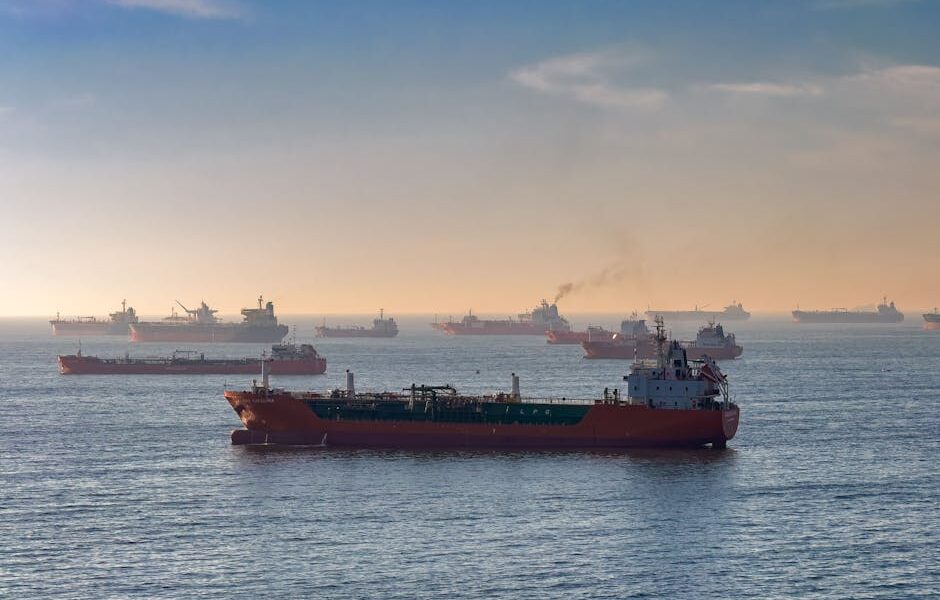
- Reopening the Strait of Hormuz, the narrow waterway through which roughly 20% of the world’s oil moves. Iran’s closure of the strait has sent fuel prices skyrocketing worldwide.
- A framework for further talks on Iran’s nuclear programme, which the US and its allies suspect could be militarised. Tehran insists its work is purely for peaceful energy and medical research.
Pakistan’s Deputy Prime Minister Ishaq Dar, who has been shuttling between the two sides as a mediator, described the recent negotiations as ‘grounds for optimism’. Iranian foreign ministry spokesperson Esmail Baghaei even told state television that they were on the verge of finalising a memorandum of understanding. And yet, he cautioned that this would only open the door for ‘ultimately a final agreement’—leaving plenty of room for things to fall apart.
The ‘Not to Rush’ Paradox
President Trump’s Sunday message on Truth Social was classic Trump: authoritative, ambiguous, and a little contradictory. He told his negotiators, ‘Do not rush into a deal… Both sides must take their time and get it right. There can be no mistakes!’ He also made clear that the US blockade of Iranian ports, in place since early April, will remain ‘in full force and effect’ until a final deal is signed and sealed.
This creates a curious paradox. On one hand, the administration had signalled that a deal was ‘largely negotiated’. On the other, Trump is now insisting the process should not be hurried. It suggests that either the White House saw the rumours of a breakthrough as premature and wanted to kill the hype, or that the President himself has reservations about the terms his own team were close to accepting.
The block on ports is intentional: it is the main leverage Washington holds over Tehran. But keeping the pressure on while asking for ‘more time’ could be perceived in Iran as bad faith. Iranian officials have already signalled progress, but they have not hidden the fact that ‘one or two’ major sticking points remain. Those sticking points, if not handled carefully, could become chasms under the weight of prolonged economic siege.
What the Strait of Hormuz Battle Means for Your Wallet
This isn’t just a story of diplomatic jargon and presidential tweets. The Strait of Hormuz is one of the world’s most vital chokepoints. When Iran effectively closed it by controlling traffic through naval threats, the global oil market reacted instantly. Prices at the pump in Europe, Asia, and even the United States have crept upward. If the talks collapse—or if the ‘don’t rush’ order is interpreted as a stall tactic—the risk of another spike in oil prices becomes very real.
Secretary of State Marco Rubio offered a glimmer of hope last week when he mentioned that progress over the previous 48 hours ‘if it works’ could result in a ‘completely open strait… without tolls’. This hints at a major concession from Iran: letting the waterway return to normal operations, which would immediately relieve global energy markets. But the President’s latest instruction suggests that even this carrot might not be enough to seal the deal quickly.
A Dangerous Game of Patience
Here is the crux of the matter: time is not as neutral a factor as Trump claims. While the US can afford to wait—its domestic energy production is robust and its strategic allies are largely cooperative—Iran cannot. The blockade is squeezing its economy. But at the same time, Iran holds a knife at the world’s energy throat. Every day the Strait of Hormuz remains effectively closed is a day of economic pain for nations dependent on Middle Eastern oil.
By saying ‘time is on our side’, Trump may be underestimating the ripple effects of delay. He is also playing a high-risk psychological game with Tehran. If the Iranian leadership feels humiliated or cornered, they could walk away from the table entirely. This would not only derail the nuclear talks but could also trigger a return to military skirmishes. The April ceasefire, while largely observed, has been punctuated by occasional exchanges of fire between Iranian proxies and US-Israeli forces. A full collapse would be catastrophic.
It is worth remembering that the US and Israel launched massive air strikes on Iran on 28 February. That attack was a response to Iran’s earlier drone and missile strikes on Israeli and US targets across the Gulf. The violence has only paused, not ended. And as long as the nuclear question remains unresolved, the underlying threat of a broader war persists.
What Experts Say: A Double-Edged Sword
Middle East analysts are split on Trump’s approach. Some argue that taking time to iron out every detail is wise—especially when the stakes involve nuclear weapons. ‘You don’t want a sloppy deal that leaves loopholes for enrichment,’ says retired diplomat and nuclear non-proliferation expert Dr. Sarah Khalili, who has advised both Republican and Democratic administrations. ‘But you also don’t want to let the window close. Iran is not in a patient mood.’
Others point out that the ‘memorandum of understanding’ mentioned by both sides is precisely the kind of incremental confidence-building measure that could help. It sets a timeline for further talks without committing either side to everything at once. ‘The agreement is not a final treaty; it’s a step-by-step roadmap,’ explains geopolitical risk analyst James Rourke. ‘Trump’s reluctance to sign may kill the momentum. A memorandum is not a binding commitment—it’s a handshake. If the handshake is withdrawn, trust evaporates.’
And trust, in this particular part of the world, is already in short supply.
The Bottom Line: A Delicate Pivot
The next few days will be pivotal. If the negotiators can iron out those ‘one or two’ disagreements and the President gives the green light, the world could see the Strait of Hormuz reopen and a pathway to nuclear talks formalised. If not, we may be looking at a return to brinkmanship, with oil prices rising and the risk of military escalation climbing back up the list of global worries.
For now, the message from Washington is clear: ‘Not so fast.’ Whether that yields a better deal—or no deal at all—remains the single biggest question in the Middle East today.
For more on how foreign crises reshape politics, see The Ripple Effect: How Foreign Crises Are Reshaping America’s Political Landscape. Also, learn about regional justice in Behind the Verdict: How a Regional Conflict Is Reshaping Justice in the Gulf.
For authoritative external context, see the Council on Foreign Relations for analysis on Iran negotiations, and Reuters for the latest updates on the Strait of Hormuz.