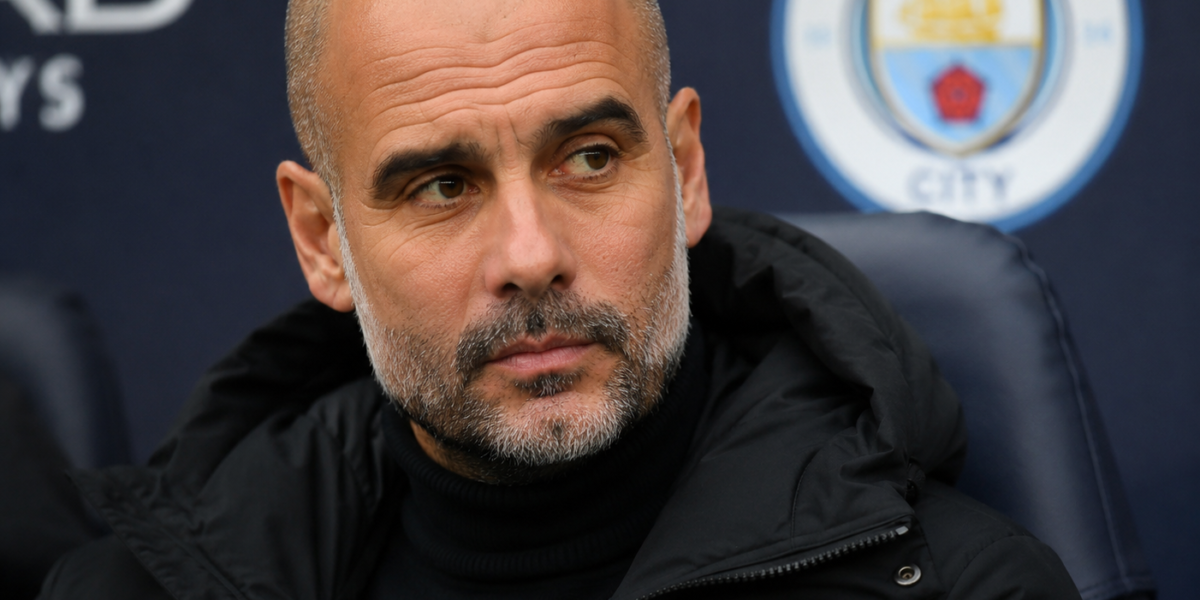
Pep Guardiola activism has never been the kind of manager who stays in his lane. While most Premier League bosses spend their press conferences dissecting formations, injury updates, and VAR controversies, the Manchester City manager has consistently turned his podium into a platform. Over the past decade, he’s spoken out on issues ranging from Catalan independence to the plight of homeless people in the UK, and most recently, the devastating impact of war on children in Gaza. In doing so, Guardiola is challenging the age-old notion that athletes and coaches should stick to sports — and he’s paying a price for it.
From the Dugout to the Frontline: Pep Guardiola Activism in Action
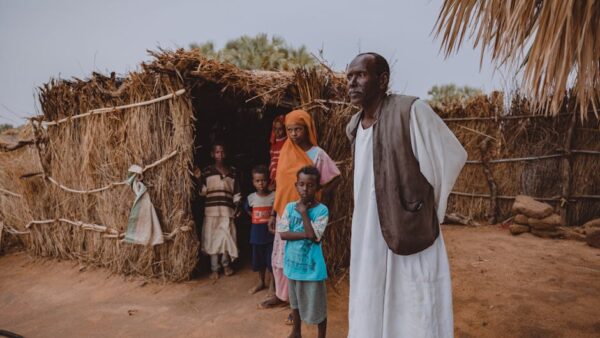
The 55-year-old Spaniard will leave Manchester City this weekend with 20 trophies in a decade, a résumé that cements his status as one of the greatest football minds of all time. But his legacy extends beyond silverware. Guardiola has used his visibility to amplify voices that are often ignored. In January, he skipped a pre-match press conference to attend a charity event in Barcelona called Act x Palestine, where he appeared draped in a keffiyeh and delivered an emotional plea for the children of Gaza. “What must they be thinking?” he asked, describing images of children pleading for their mothers amid rubble. “I think we have left them alone, abandoned.” His words resonated with many but also drew sharp criticism, particularly from the Jewish Representative Council of Greater Manchester and Region, which accused him of ignoring a terror attack on a synagogue in Manchester last October that killed two people. The council warned that his comments could endanger local Jewish residents. Guardiola, however, did not back down. At a news conference in February, he condemned violence in Gaza, Ukraine, Sudan, and the US, declaring, “When you have an idea, and you need to defend it, and you have to kill thousands of people — I’m sorry, I will stand up. Always.”
The Cost of Courage: How Pep Guardiola Activism Faces Backlash
Guardiola’s willingness to wade into controversial waters is not new. In 2018, he was fined £20,000 by the Football Association for wearing a yellow ribbon in support of imprisoned Catalan politicians. That act, small as it seemed, was a deliberate statement about a cause that remains deeply personal to him as a Catalan. It also signaled that he would not be silenced by governing bodies or public pressure. But the backlash he’s facing now is different in scale. With antisemitism on the rise and the Israel-Gaza war polarizing public opinion, Guardiola has become a lightning rod for criticism from all sides. Some accuse him of being one-sided; others argue he doesn’t go far enough.
Why This Matters Beyond Football: Pep Guardiola Activism as a Model
What’s striking about Guardiola’s activism is not just its breadth but its consistency. He doesn’t just pick popular causes. Homelessness in the UK, for example, is not a headline-grabbing issue, yet his Guardiola Sala Foundation has supported the Salvation Army’s Partnership Trophy — a five-a-side football tournament that raises awareness and funds for people without homes. “It’s so encouraging to witness how football can bring people together and help them overcome really tough personal challenges,” Guardiola has said. That same ethos drives his broader advocacy: a belief that sport can be a bridge to social change. But here’s the original insight: Guardiola’s activism also exposes a double standard in how we view sports figures. When a player or coach speaks out about climate change or mental health, they are often praised as humanitarians. The moment they wade into geopolitical conflicts — especially those involving Israel and Palestine — they are labeled as divisive. Guardiola is navigating a minefield that few in his position dare to enter. That he continues to do so, despite the fines, the angry letters, and the public backlash, suggests a man who genuinely believes that his platform comes with a moral responsibility.
The Uncomfortable Truth: Pep Guardiola Activism and Its Critics
Guardiola’s critics have a point: he has not addressed every atrocity with equal fervor. But demanding that a football manager be perfectly consistent across all global crises is unrealistic. What he offers instead is a model of engaged citizenship that others in the sports world might emulate. Bill Shankly once famously said football was “more important than life or death.” Guardiola seems to believe the opposite: that life itself — with all its injustices, suffering, and hope — is what makes football meaningful. By speaking up, he reminds us that the game is not an escape from reality but a part of it.
What’s Next for Guardiola?
As Guardiola prepares to step away from the Etihad dugout, questions swirl about his next chapter. Will he move into club ownership, take a national team job, or dive fully into philanthropy? If his track record is any guide, he will not go quietly into retirement. Whether you agree with his stances or not, Guardiola has proven that being a sports icon today means more than winning matches — it means choosing a side. For more on how sports figures navigate activism, check out this article on foreign volunteers in Ukraine. Additionally, learn about the broader impact of geopolitical conflicts on sports in this piece on foreign crises reshaping politics. For further reading on athlete activism, visit BBC Sport and The Guardian Football.