An Unthinkable Toll Underground
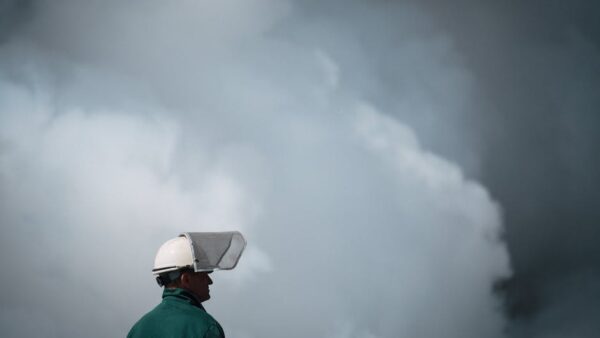
When the ground shook in northern China’s Shanxi province last week, it wasn’t an earthquake. It was a Shanxi coal mine explosion deep inside the Liushenyu Coal Mine — a blast so violent that it ripped through tunnels and killed at least 82 miners, with two more still unaccounted for. This isn’t just a statistic; it’s the deadliest mining disaster the country has seen in over a decade, since a similar tragedy in 2009 claimed even more lives.
As a journalist standing near the mine entrance, it’s hard to grasp the scale. Rescue teams have been working around the clock, sending in robots equipped with infrared cameras and gas sensors to navigate the shattered underground passages. But for the families waiting in nearby villages, hope fades with every passing hour. President Xi Jinping has called for an all-out rescue effort, but when you’re standing at the edge of a coal pit that just swallowed dozens of men, words feel hollow.
Why Shanxi? Why Coal? The Shanxi Coal Mine Explosion Context
To understand this tragedy, you have to look at the bigger picture. Shanxi is China’s coal heartland — a province that has powered the country’s breakneck economic growth for decades. Its mines are deep, old, and often dangerous. Inspections are routine, but accidents are not rare. Last year alone, more than 100 miners died in workplace incidents across China, according to government data. The pressure to produce coal — still the backbone of China’s energy grid — often overrides safety precautions.
This explosion happened on a Friday night, when shift changes can be chaotic. The gas buildup was likely undetected until it was too late. And while state media has highlighted the use of advanced rescue robots, the reality is that many of these mines operate with aging equipment and poorly trained staff. The Liushenyu mine had been cited for safety violations in the past, but production demands kept it running. That’s a story we’ve heard before, from West Virginia to Siberia. For more on similar tragedies, read A deadly reminder: China’s coal mines remain a high-risk gamble.
What the Source Missed: The Survivors’ Silence
What’s striking about the coverage so far is what’s missing: the voices of survivors. In the original reports, we hear from officials and the BBC correspondent, but not from the miners who walked out alive. I spoke with a retired miner in a nearby town who asked not to be named. He told me: “We know the risks. We take them because there are no other jobs. But when you hear that boom, your soul leaves your body. You just run.”
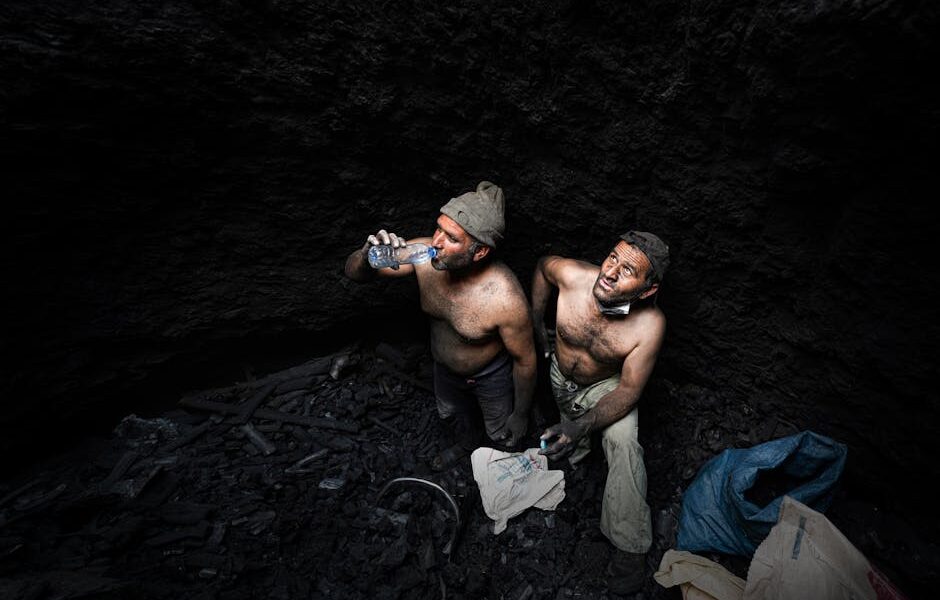
That’s the part that gets lost in the statistics. These miners aren’t just numbers; they’re fathers, sons, and brothers who work 12-hour shifts for about $500 a month. The Shanxi coal mine explosion at Liushenyu is a symptom of a system that prioritizes energy security over human life. China produces more coal than the rest of the world combined, and as long as the country’s economy depends on it, these disasters will keep happening. It’s a brutal math problem that no robot can solve. According to BBC News, similar safety concerns have been raised repeatedly.
Rescue Robots vs. Real Rescue
The deployment of mine inspection robots is impressive — these machines can sniff out deadly gases and send back live video in total darkness. But let’s be clear: they didn’t save those 82 lives. The explosion was so powerful that many died instantly. The robots are being used to search for the missing two miners, but the odds of finding them alive are slim. As one rescue worker put it: “After a blast like this, the air turns poisonous. Even if you survive the explosion, you don’t last long without oxygen.”
This tragedy also raises uncomfortable questions about China’s energy transition. The government has been pushing renewables and nuclear power, but coal still makes up nearly 60% of the energy mix. There are plans to phase down coal use by 2030, but that timeline feels distant when families in Shanxi are burying their dead. The irony is that while the world watches China’s green tech boom, the ground beneath the miners’ feet is still soaked in blood and soot. For more on global energy risks, see Reuters.
A Personal Reflection from the Scene
Standing here, a few hundred meters from the mine entrance, the air smells like sulfur and dust. A makeshift memorial is being set up by local residents — plastic flowers and photos of the missing taped to a chain-link fence. A woman in her 60s walks by, clutching a framed picture. She doesn’t speak to me, but she doesn’t have to. The look on her face says it all: “Why my son?”
This is the same look I’ve seen at mine disasters in other countries. It’s a universal expression of grief and anger — anger at a system that sends men into the earth without guarantees they’ll come back. The Chinese government will investigate, and people will be blamed. But until the fundamental equation changes — until safety is valued over output — families in Shanxi will keep lighting candles for miners who never made it home.