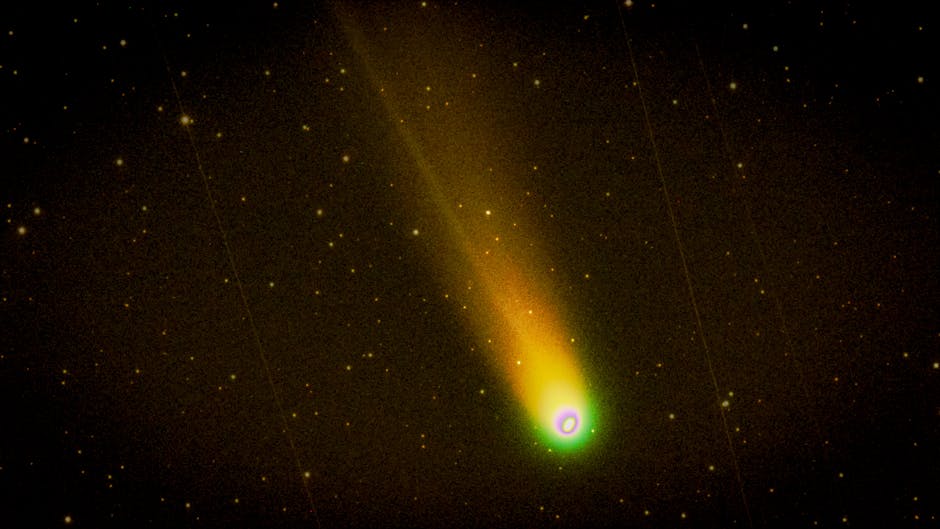
Another week, another tranche of declassified UAP files about unidentified flying objects — or, as the Pentagon prefers to call them, unidentified anomalous phenomena (UAP). On May 23, 2026, the Trump administration released a second batch of files covering 209 sightings of green orbs, discs, and fireballs across multiple locations.
By now, the routine feels familiar: a political figure promises transparency, a cache of records drops, and the internet erupts with speculation. But if you step back from the blurry videos and breathless headlines, a more interesting story emerges — one about how the government itself is still struggling to define what it’s looking at.
Not Your Grandfather’s UFO Debate: What the UAP Files Reveal
The latest release differs from earlier disclosures in one key way: it acknowledges that many sightings involve objects with flight characteristics that defy known aviation technology. In plain English, that means these things can accelerate faster than fighter jets, hover without visible propulsion, and maneuver in ways that would tear a human pilot apart.
But here’s the twist that rarely makes it into the Breaking News chyron: the Pentagon’s own UAP task force has not concluded that any of these objects are extraterrestrial. The UAP files are careful to say ‘anomalous’ — not ‘alien.’ That linguistic choice is deliberate. It keeps the door open for explanations ranging from atmospheric plasma to foreign spy drones to sensor glitches.
Why Green Orbs and Fireballs Matter to You
For the average person, a green orb zipping over a military base may seem like a curiosity for conspiracy forums. But the implications of these sightings touch on issues that affect everyone:
- Air safety: Civilian pilots have reported near-misses with unknown objects. If we can’t identify what’s sharing our airspace, we can’t guarantee safe flights.
- National security: If some of these UAP turn out to be advanced Chinese or Russian technology, the U.S. military has a serious intelligence blind spot.
- Technological spillover: Decades of classified research into high-energy propulsion and advanced materials could eventually find civilian applications — if the data were ever shared with the private sector.
The public has a stake in this beyond mere curiosity. Taxpayer dollars fund the investigations. The skies belong to everyone. And the longer the government treats UAP as a need-to-know secret, the more suspicion breeds mistrust.
A Historian’s Perspective on Disclosure
What interests me most is not the content of these UAP files but the pace of their release. We’ve seen this dance before: a president orders declassification, the military drags its feet, a few documents trickle out, and the public is left arguing over the scraps. The pattern has repeated since the 1940s.
Compare this to the way the Pentagon handles other classified programs. When the U.S. declassified the existence of the SR-71 Blackbird spy plane, it did so only after the technology was obsolete. The same logic may apply here. The government is likely only releasing what it believes poses no security risk — which means the truly surprising data stays locked up.
What’s Missing From the Conversation
Lost in the spectacle of green orbs and fireballs is a quiet but important shift: the normalization of UAP as an official topic of inquiry. Ten years ago, a retired senator who admitted to investigating UFOs was mocked. Today, the Pentagon has an office with a budget, a director, and a mandate to report to Congress.
That institutional change matters more than any single sighting. It means that future administrations — regardless of party — will inherit a bureaucracy that takes UAP seriously. The data will accumulate. The theories will be tested. And eventually, whether the answer is swamp gas or something far stranger, we will know.
Until then, enjoy the green orbs. But remember: the real story isn’t what’s in the UAP files. It’s what’s still classified, and why. For more on government transparency, check out our analysis of SpaceX’s Starship V3 test flight. For authoritative information on UAP, visit the Pentagon’s All-domain Anomaly Resolution Office.