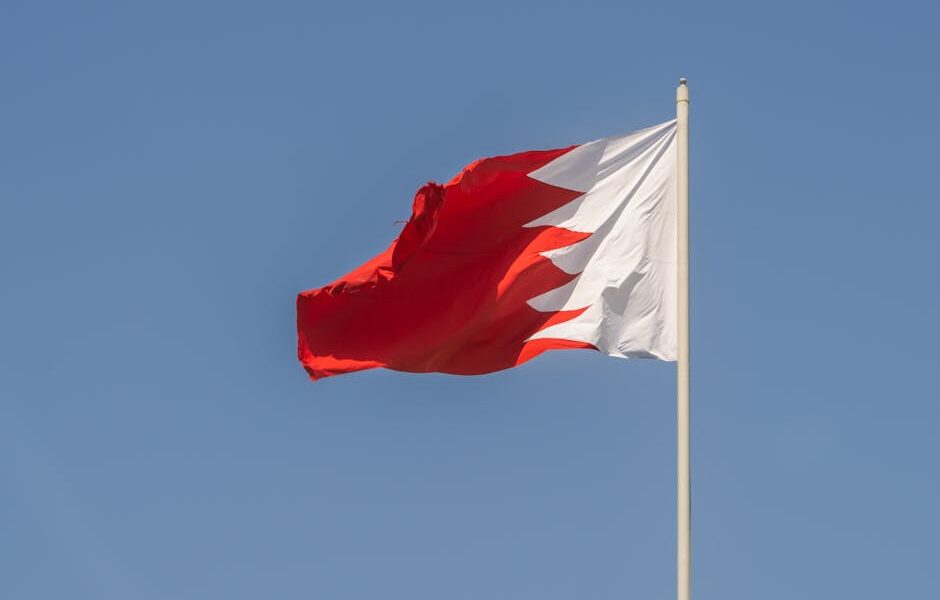
On Sunday, a Bahrain court verdict handed down life sentences to nine individuals convicted of collaborating with Iran’s Islamic Revolutionary Guard Corps (IRGC). Two others received three-year prison terms. The charges—ranging from espionage to facilitating cryptocurrency transfers—come amid a broader, intensifying security sweep across the Gulf that began after Iran launched retaliatory strikes on Bahrain in late February.
But these convictions are not just about a handful of defendants. They reflect a deeper, more unsettling transformation in how Gulf states are responding to a regional war that has blurred the lines between national security and political dissent.
Bahrain Court Verdict: A Crackdown That Keeps Expanding
The case is the latest in a series of aggressive moves by Bahraini authorities. In March, arrests began almost immediately after Iranian missiles hit the kingdom. By early May, 41 more people were detained. Less than two weeks after that, Bahrain revoked the citizenship of over 60 individuals for allegedly supporting Iranian attacks and colluding with foreign entities.
Prosecutors in this week’s case alleged that the defendants photographed strategic sites—military and civilian infrastructure—on behalf of the IRGC. They also claimed that some used cryptocurrency to funnel money from Iran into Bahrain, financing what officials call terrorist operations. The government has accused Iran of recruiting agents inside the country to carry out these plans.
Other Gulf nations have followed a similar script. In April, the United Arab Emirates announced it had broken up a cell allegedly plotting terrorist acts. The message from the region’s capitals is clear: the war between Iran and the US-Israel alliance is now being fought on home soil, and suspected collaborators will face the full weight of state security.
The Sectarian Tinderbox
What the official narrative doesn’t fully capture is the long-standing sectarian tension that makes Bahrain particularly vulnerable to such allegations. The kingdom’s population is majority Shia, but the ruling Al Khalifa family is Sunni. For years, Shia activists and ordinary citizens have complained of systemic discrimination—in jobs, housing, and political representation. The government denies these claims and accuses Iran of exploiting local grievances to foment unrest.
This context matters. Because when a court sentences someone to life for cooperating with Iran, it’s not just punishing an act of war. It risks deepening the very divides that make Bahrain fertile ground for foreign influence. The London-based Bahrain Institute for Rights and Democracy called the recent citizenship revocations dangerous and a violation of international law—a reminder that the crackdown is drawing scrutiny far beyond the Gulf.
What the Verdicts Don’t Tell Us
Here’s what’s missing from the official accounts: we have very little independent evidence of what the nine defendants actually did. The trials were closed to international observers. The evidence—photographs, cryptocurrency transactions, confessional statements—was presented by state prosecutors and accepted by a state-appointed court. In a country where security forces have been accused of using torture to extract confessions, transparency is a serious concern.
This isn’t just a legal technicality. It points to a larger problem: when a nation is at war, the definition of cooperation with the enemy can stretch to include anyone with a foreign bank account, a relative in Iran, or a social media post critical of the government. In the Gulf’s current climate, that kind of ambiguity is dangerous. It empowers authorities to settle old scores under the guise of patriotism, and it punishes people not just for what they did, but for who they are.
For the people of Bahrain, the question is no longer just about Iran. It’s about whether the rule of law can survive when fear becomes the only currency that matters. For more on regional security dynamics, see our analysis of Hezbollah’s ceasefire demands. External perspectives on Gulf justice can be found at Human Rights Watch.