A Race Against Time in Xaysomboun Province
In a dramatic Laos cave rescue operation that unfolded over the weekend, Thai and international rescue teams successfully extracted four men from a flooded cave system in Laos, bringing the number of survivors to five after more than a week underground. The men, part of a group of seven villagers who entered the cave on May 20 in search of gold, were trapped when flash floods sealed the narrow entrance. Two individuals remain missing, and the search continues.
The rescue, completed around 3:10 PM local time on Saturday, came a day after the first survivor was pulled to safety. Video footage shared by rescue workers shows cheers erupting as the men emerged, one smiling as he was escorted to a medical tent, while others embraced rescuers in emotional scenes. The survivors were quickly placed on stretchers and wrapped in foil blankets for warmth and medical evaluation.
The Perilous Geometry of the Cave
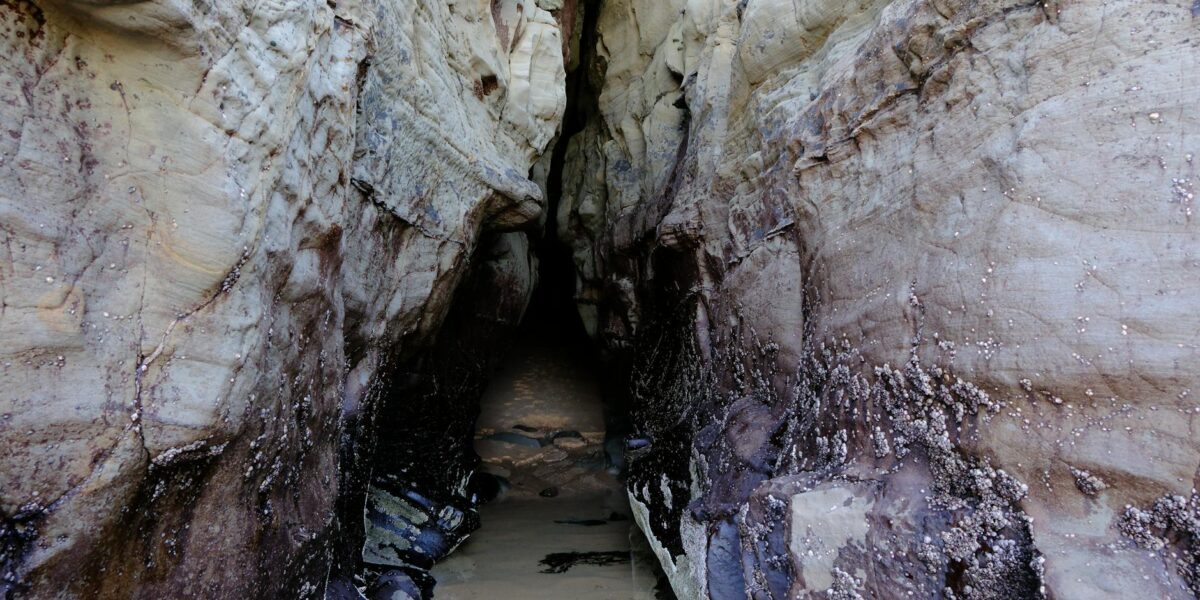
The cave system, located in a remote mountainous region of central Laos, is notorious for its extreme narrowness. Some chambers measure just 50 centimeters (about 20 inches) wide, forcing rescuers to work in cramped, oxygen-poor conditions. This physical constraint made the operation far more complex than a straightforward extraction. According to the Thailand Rescue Diver Facebook page, the team had initially planned to pump out floodwaters, but that approach failed, leading to a backup plan that involved teaching the trapped men to scuba dive through submerged passages.
“You’re essentially asking someone who has never used a regulator to navigate a dark, silt-filled tunnel less than two feet wide,” said one diving specialist familiar with the operation, speaking on condition of anonymity. “It’s a mental and physical trial that most professional divers would find daunting.”
Echoes of the Thai Cave Rescue
The situation inevitably draws comparisons to the 2018 Tham Luang cave rescue in Thailand, where 12 boys and their football coach were trapped for 18 days. That ordeal captivated the world and led to a similar, albeit larger, international response. In the Laos cave rescue case, divers from Thailand, Indonesia, France, and Australia joined forces, providing specialized expertise. While the scale is smaller here—only seven people were trapped versus thirteen in Thailand—the technical challenges are just as severe, if not more so, due to the tighter passages.
What made this rescue different? The primary difference lies in the motivation behind the entrapment. The Laos men were not adventurous schoolboys on an outing; they were villagers chasing a small fortune in gold, driven by economic desperation. This adds a layer of poignancy: these were not thrill-seekers but people taking a extraordinary risk for a slim chance at a better life.
Original Analysis: The Unseen Cost of Artisanal Mining
Beyond the immediate drama, this incident shines a harsh light on the dangers of informal gold mining in Southeast Asia. In Laos, as in many developing nations, artisanal mining is a last-resort livelihood for rural communities with few other options. The men entered the cave knowing the risks of flash floods and collapses, but the potential reward—a few grams of gold—outweighed the threat of death. This tragedy is not an isolated event; it represents a systemic issue where poverty forces people into deadly occupations with no safety net. Rescuing these men is a triumph, but it will not prevent the next group from entering the same cave or another like it unless economic alternatives are provided.
The two missing miners may never be found, their fate sealed by the very tunnels that promised fortune. For the survivors, the physical recovery may be swift, but the psychological scars of 10 days in darkness, surrounded by water and the fear of never seeing daylight again, will linger. This Laos cave rescue, while successful, is a somber reminder that for many, the search for gold is a gamble where the house always wins.
What Comes Next
Authorities have not yet disclosed the full details of the extraction method, though experts believe the men were likely guided through the flooded sections using specialized diving equipment and safety lines. The surviving five are now receiving medical care, and the search for the two missing individuals continues, though hopes are fading. The international team of divers has begun to demobilize, but the story of their ten-day ordeal will not soon be forgotten—either by the rescued, their families, or the global diving community that rallied to help.
For more on the broader implications of such rescues, read our analysis on lessons from the Laos cave rescue. Learn about the challenges facing Asia allies in a changing world.
External resources: BBC News: Laos cave rescue details and National Geographic: Cave diving safety.