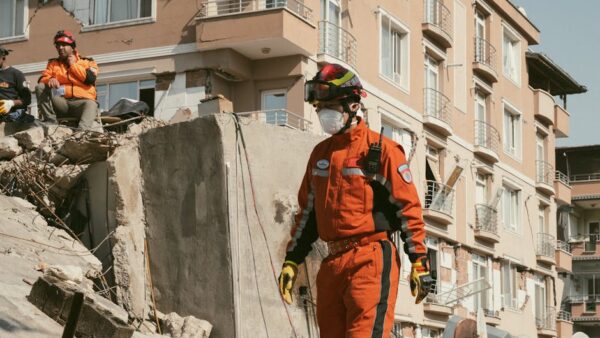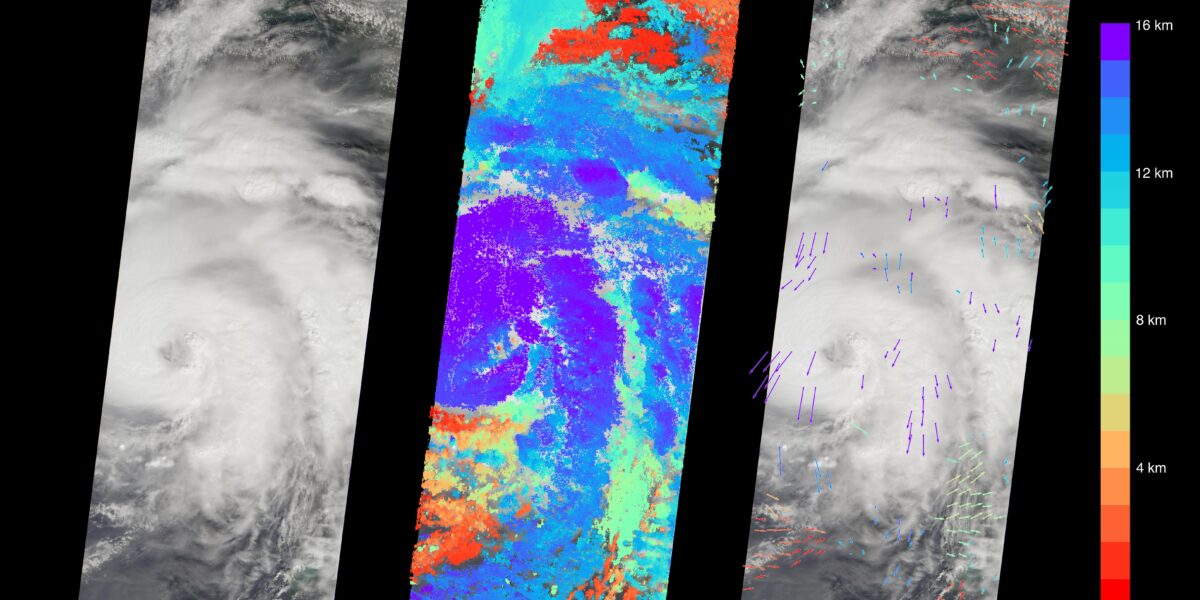
As summer heats up, so does the familiar rhythm of hurricane season climate change discussions. From June through November, meteorologists track disturbances brewing off the coasts of Africa and in the warm Pacific waters. Predictably, some of these systems will strengthen into named storms, and a few will grow into powerful hurricanes. But alongside the wind and rain comes another predictable pattern: the rush to link each storm to climate change.
The Certainties of Hurricane Season Climate Change
Each year, the Atlantic and Pacific basins produce a number of tropical cyclones. Some stay at sea, others make landfall, and damage occurs in varying degrees. These are natural meteorological events that have occurred for millennia. What has changed is the public conversation around them. No sooner does a hurricane form than headlines appear claiming the storm was fueled by a warming planet. This narrative has become as regular as the season itself.
History Shows Storms Are Nothing New
Long before the industrial revolution, powerful hurricanes devastated coastal communities. Historical records describe massive storms in the Caribbean and along the Gulf Coast dating back centuries. The fact that we now name and track them with satellites does not mean they are more frequent or intense. In reality, the global count of hurricanes has not shown a statistically significant upward trend over the past several decades. What has changed is our awareness and ability to document them.
Media coverage often amplifies the connection between hurricanes and climate change, but experts urge caution. Dr. Emily Parsons, a meteorologist at the University of Miami, explains: “Attributing a single storm to climate change is extremely difficult. While warmer ocean temperatures can provide more energy for storms, many factors influence hurricane formation and strength, including wind shear and atmospheric pressure patterns. It’s a complex system.”
Why the Climate-Change Link Is Overstated
When a hurricane hits a populated area, the destruction is visible and tragic. It is emotionally compelling to point to climate change as a culprit. However, the science does not support a simple cause-and-effect relationship. Economic losses from hurricanes have risen sharply, but this is largely due to increased development in vulnerable coastal areas. More people and property in harm’s way means higher costs, not necessarily stronger storms.
Furthermore, the frequency of major hurricanes (Category 3 and above) has not increased in the Atlantic since the 1960s, according to data from NOAA. While there is year-to-year variability, the long-term trend remains flat. This fact is rarely mentioned in the rush to link hurricanes to global warming.
Original Insight: The Danger of Simplifying Complex Weather
Perhaps the most overlooked aspect of this debate is the harm done by oversimplification. When every hurricane is framed as a climate-change event, we risk desensitizing the public to genuine climate risks. More importantly, it diverts attention from actionable measures like improving building codes, restoring natural barriers such as mangroves and wetlands, and strengthening early-warning systems. These are proven ways to reduce hurricane damage, and they do not depend on settling the climate attribution debate. By focusing narrowly on climate change as the root cause, we may be ignoring the practical steps that can save lives today.
What We Should Focus On Instead
As hurricane season unfolds, it is more productive to look at preparedness rather than panic. Communities should invest in resilient infrastructure, update evacuation plans, and educate residents on disaster response. The media can help by reporting accurately on storm risks without overreaching on climate claims. After all, hurricanes have always been part of our world. The question is not whether they are caused by climate change, but how we can best live with them. For more on how climate debates can miss the bigger picture, see The Pressure-Temperature Puzzle: Why a Heated Climate Debate Misses the Bigger Picture.
- Invest in coastal resilience projects, such as sea walls and dune restoration
- Enforce stricter building codes in hurricane-prone areas
- Support research into long-term climate trends, but avoid blaming individual storms
The next time a hurricane makes headlines, remember that the storm itself is not a messenger of doom. It is a natural event, one that our ancestors weathered—and one that we can continue to prepare for with clear thinking and sound policy. For authoritative climate data, visit Climate.gov.