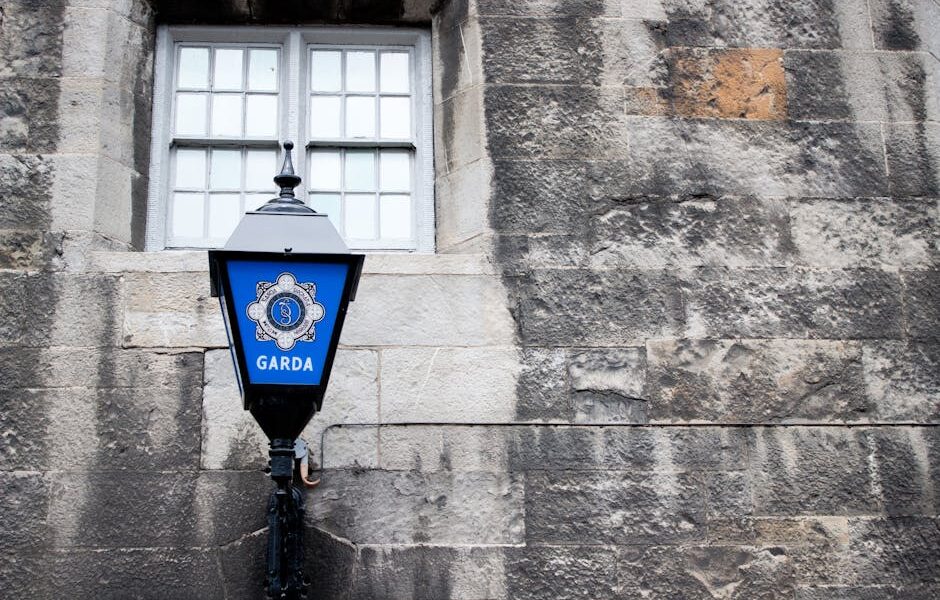
In the middle of a global health crisis, a veteran garda with nearly three decades of unblemished service made a simple, humane decision: he loaned an unclaimed bicycle from a station lost-and-found to an elderly farmer who needed exercise for a serious circulation problem. That act of neighbourly decency set off a chain of events that would end with the garda suspended for three years, his home raided at dawn while his family slept, and a criminal investigation that went all the way to the Director of Public Prosecutions. Ultimately, the state agreed to pay him more than €270,000 in a confidential settlement. This garda bicycle loan case highlights how a minor act of kindness spiraled into a costly legal battle.
The backstory: a bicycle, a pandemic and a doctor’s order
During the early peak of Covid-19 in March 2020, a man in his 70s, living alone on a farm in the Irish midlands, was told by his doctor that he needed to get more exercise. His leg had begun turning blue due to poor blood circulation, and a bicycle was recommended. But the lockdown had shut down most businesses, including the shop where he had ordered a bike. The delivery never came. When the garda heard about the farmer’s predicament, he spotted a bicycle that had been sitting in the station’s lost-and-found section for months, unconnected to any criminal case. He gave it to the farmer on loan, intending no more than to help a neighbour in need.
A disproportionate response to the garda bicycle loan
What followed has been described by the Garda Representative Association as “shameful”. The National Bureau of Criminal Investigation — the unit that normally handles serious organised crime and murder inquiries — was called in. The garda’s home was raided early one morning, with his family still in bed. He was suspended from duty for roughly three years while a file was assembled and sent to the DPP. The DPP eventually directed that no charges should be brought. By then, the damage was done — both to his reputation and his mental health. He sued the Garda Commissioner, the Minister for Justice and the Attorney General, citing 37 separate grounds including negligence, breach of duty and breach of contract.
Original insight: What this case reveals about the culture of policing
Beyond the eye-catching headline figure, this case shines a spotlight on how institutional risk aversion can override common sense. In any profession, when a minor act of kindness is treated with the same investigative machinery as a major felony, the message is clear: follow the rules or else, even when the rules weren’t designed for this situation. The garda’s decision to loan the bike may have been a technical breach of procedure — property should not be removed from a station without proper paperwork — but the punishment bore no relation to the infraction. It suggests an organisation so terrified of being seen as lenient or corrupt that it lost sight of proportionality. If frontline officers cannot make small, compassionate calls without fear of career-ending investigations, the public loses trust in the very people meant to protect them. And that loss of trust is far more costly than any settlement.
The settlement and its silence
The case was settled in the High Court, with the state agreeing to pay more than €270,000, covering both damages and legal costs. As part of the deal, a confidentiality agreement was signed, meaning the precise terms may never be made public. GRA General Secretary Ronan Slevin confirmed he was not aware of the full details, but called the handling of the garda “shameful” and said the officer was “pursued like a criminal” for doing his duty. The settlement avoids a full trial that would have aired all the details publicly, which may suit both sides but leaves unanswered questions about how such a scenario could unfold again.
What this means for the rest of us
For the public, the case raises an uncomfortable question: if a garda can be suspended for three years over a borrowed bicycle, what’s the real margin for error in Irish policing? The farmer got his exercise, the bike was eventually returned, and no crime was committed. Yet the machinery of the state ground on regardless. The settlement may close the legal case, but the broader issue — how to balance accountability with common sense — remains open. It is a reminder that sometimes the most powerful thing an institution can do is admit it got it wrong, ideally before the bill arrives. For more on similar institutional overreach, see Ireland’s Obesity Crisis Meets the Miracle Jab. For further reading on police accountability, visit The Guardian’s policing section.