When Marco Rubio lands in Delhi this Saturday for a four-day visit, the official talking points will focus on US energy India sales and trade partnerships. But beneath the surface, this trip is a barometer of how badly the Iran crisis has scrambled global power dynamics—and how far Washington is willing to go to keep a crucial ally close.
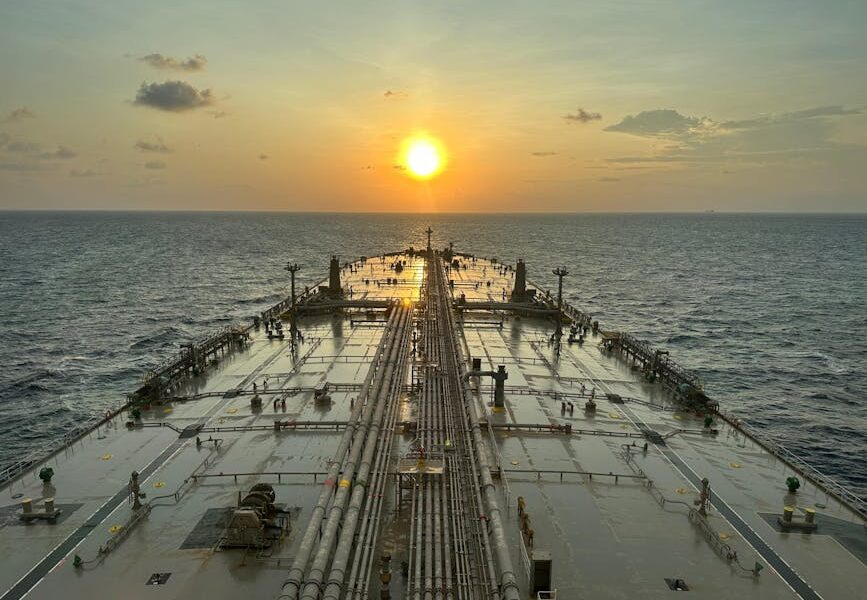
India, a nation of 1.4 billion people, imports over 80% of its energy. Much of that used to flow through the Strait of Hormuz, a vitally narrow waterway that became a war zone after the US and Israel struck Iran in February. Now, with the strait effectively closed and peace talks hanging by a thread, India is scrambling for alternatives. The US, flush with record oil and gas production, sees an opening. But is it the right fit? The US energy India relationship is now at a critical juncture.
US Energy India: The Long and Costly Detour
Shipping American energy to India isn’t as simple as flipping a switch. The journey from the Gulf of Mexico to the Indian coast is long and expensive compared to the short hop from Iran or the Middle East. Analysts point out that while US energy can fill part of the gap, it can’t be a like-for-like replacement—at least not quickly or cheaply. “Energy security is the key theme of this visit,” says Vineet Prakash, a US studies professor at Delhi’s Jawaharlal Nehru University. “But logistics and price make it a partial solution, not a silver bullet.”
Still, the politics are compelling. India’s trade surplus with the US—$58.2 billion in 2025—has long irked President Donald Trump. Buying more American energy helps narrow that gap and keeps Washington happy. It’s a classic diplomatic trade-off: energy imports in exchange for tariff relief and goodwill. For more on regional diplomacy, see Behind the Headlines: The Quiet Diplomatic Pulse Between India and Pakistan.
Trade Wars and Olive Branches
The visit comes after a rocky period in US-India trade relations. Trump’s earlier threat to slap 50% reciprocal tariffs on Indian goods sent shivers through Delhi’s export sector. After a 10-month standoff, those tariffs were cut to 18% and later to 10% after a Supreme Court ruling. The relief was palpable. In February, India pledged to buy $500 billion worth of American goods—including energy, aircraft, tech, and agriculture—as part of an interim trade deal.
But trade experts urge caution. “These are big numbers, but we’ve seen promises before without clear follow-through,” notes Ajay Srivastava of the Global Trade and Research Initiative. India’s total exports to the US last year were just $87.3 billion. And despite Trump’s claim that Reliance Industries will build a $300 billion oil refinery in Texas, the company’s boss Mukesh Ambani has stayed mum. The final text of a broader bilateral deal remains elusive.
Meanwhile, India hasn’t put all its eggs in the American basket. It has fast-tracked free trade agreements with the UK, EU, Australia, and Oman. These deals give Delhi leverage—and a safety net if US negotiations stall. HSBC economist Pranjul Bhandari notes that even with a US deal, sectors like agriculture and dairy will stay heavily protected.
Pakistan: The Elephant in the Room
Rubio’s schedule won’t include public remarks about Pakistan, but the shadow of Islamabad looms large. Trump’s warm relationship with Pakistani army chief Asim Munir—whom he called his “favourite field marshal”—hasn’t gone unnoticed in Delhi. Pakistan’s role as a mediator between Iran and the US only deepens the rivalry.
Prakash says any discussion of Pakistan “will stay behind closed doors.” But the subtext is clear: Washington is juggling two nuclear-armed rivals, and Delhi is watching closely to see who gets the better treatment.
Quad or Quagmire?
Beyond energy and tariffs, Rubio’s visit will test the future of the Quad—the strategic grouping of India, the US, Japan, and Australia. A foreign ministers’ meeting is set for May 26 in Delhi, but the real prize is a leaders’ summit later this year. Trump was once bullish on the Quad as a counter to China. But the summit was postponed last year amid lukewarm US interest, leading some to call the grouping “on life support.”
For Delhi, the Quad is a stage to project its rising geopolitical clout. But it’s also a tightrope: India doesn’t want to antagonise China, its largest trading partner and a member of the Brics group that Delhi will also host this year. Prakash believes Trump now sees that “China is not a pushover” and may approach the Quad with more caution. The question is whether Rubio will offer concrete commitments—or just more talk.
The Iran War’s Silent Victims
Perhaps the biggest unspoken issue is India’s role in the Iran crisis. Washington wants allies to help keep the Strait of Hormuz open, even militarily. Delhi has refused. India’s foreign policy has long favoured diplomacy over gunboat tactics. It won’t change that now, especially with a fragile peace process underway. For context on the broader crisis, see Strait of Hormuz Becomes the Centerpiece of a New Global Chessboard as Iran-US Talks Stall.
Rubio knows this. He’s likely to press for more support without pushing too hard. But as energy prices spike and cooking gas becomes a daily anxiety for millions of Indians, the stakes couldn’t be higher. This visit isn’t just about barrels of oil or trade deficits. It’s about whether two of the world’s largest democracies can keep their partnership warm in a world on fire. For more on global energy dynamics, see U.S. Energy Information Administration and International Energy Agency.