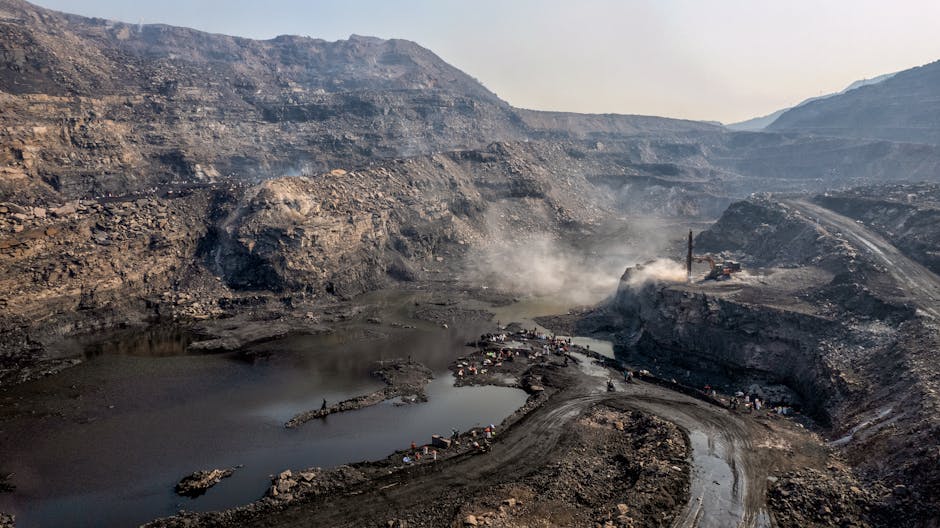
The night of March 15th started like any other shift at the Liushenyu Coal Mine in Shanxi province. But around 7:29 PM local time, a coal mine explosion ripped through the underground tunnels, leaving at least 82 miners dead and 247 workers on duty scrambling for survival. State media confirmed the grim toll, marking one of the deadliest mining incidents in China in recent years.
Why coal mining in China is still so dangerous: The coal mine explosion crisis
Shanxi, often called China’s coal basket, produces about a quarter of the nation’s coal. But with that output comes a long history of accidents. Methane gas buildup, poor ventilation, and lax safety enforcement have turned these mines into ticking time bombs. Despite pledges from Beijing to tighten regulations after every major disaster, the industry remains a high-stakes gamble for the millions of workers who descend into the earth each day.
This disaster isn’t just a local tragedy — it’s a window into a systemic problem. In 2022 alone, China recorded over 150 coal mine accidents, according to official data. The Liushenyu coal mine explosion, operated by Tongzhou Group, suggests that the gap between policy and practice remains dangerously wide. For more on systemic risks, see our analysis of hidden costs of fossil fuel conflict.
The human cost behind the numbers
Who are the miners?
- Mostly migrant workers from rural areas seeking steady pay
- Average age around 40, many with families relying on their income
- Shifts often last 12 hours in cramped, hazardous conditions
When a coal mine explosion happens, it’s not just a statistic — it’s dozens of households shattered in an instant. While rescue teams are still at the scene, many families are bracing for the worst. The psychological and economic ripple effects will last for years, especially in a region where coal mining is the primary livelihood.
A different angle: The environmental paradox
Here’s the uncomfortable truth most headlines miss: China is simultaneously the world’s largest coal producer and its biggest investor in renewable energy. In 2023, the country added more solar and wind capacity than any other nation. Yet coal still supplies roughly 60% of its electricity. Every time a coal mine explosion occurs, we’re reminded of the human cost of this energy addiction. The rush for coal — fueled by post-pandemic industrial demand and geopolitical tensions — has put pressure on mines to produce more, faster. And safety often takes a back seat.
Original insight: This accident should force a broader conversation not just about mine safety, but about whether China can accelerate its transition away from coal without triggering even more deadly incidents. The answer likely lies in investing in automation and remote monitoring technologies that reduce the number of workers physically inside mines. That would be a true win-win: saving lives while cutting emissions. But it requires upfront capital and a political will that has been inconsistent at best. For authoritative data on mining safety, refer to the NIOSH Mining Program and ILO occupational safety resources.
What happens next?
Authorities have launched an investigation, and it’s almost certain that mine managers will be arrested. But without fundamental changes to how these mines are regulated — and how much they’re pushed to produce — another coal mine explosion is only a matter of time. For now, the rescue operation continues, and a nation watches, hoping for miracles that are increasingly rare.