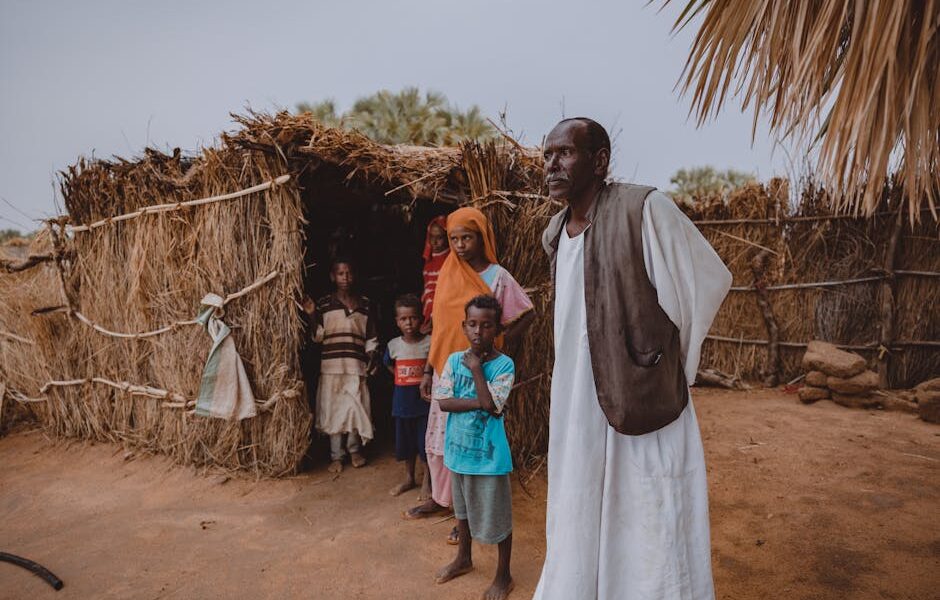
The world’s attention has drifted, but in Sudan, the drums of war continue to beat—and they are being drowned out by an even more insidious enemy: the collapse of the nation’s health system. After three grinding years of conflict, what began as a political struggle has metastasized into a public health catastrophe that threatens not only the wounded soldier but the child in a village, the pregnant mother in a displacement camp, and the elderly in a city that no longer has clean water.
The Numbers Behind the Silence
While the headlines have moved on, the grim arithmetic remains. Nearly 34 million people—more than half the population—now require some form of humanitarian assistance. Among them, a staggering 21 million have been cut off from any meaningful health services. This is not an abstract crisis; it is a daily reality where a simple infection can become a death sentence, and a routine childbirth can turn into a tragedy because the nearest hospital has been shelled or abandoned.
Disease outbreaks are not just rising; they are exploding. Malaria, cholera, measles—old foes that were once kept at bay by a functioning public health system—are now running rampant through communities weakened by displacement and malnutrition. The sheer scale of the hunger crisis is compounding every other ailment: a malnourished body has no defenses, and a malnourished society has no resilience.
Attacks on Medicine: A Weapon of War
The original sin of this health crisis is not simply a lack of resources, but deliberate destruction. Medical facilities have been transformed into targets. Doctors, nurses, and ambulance drivers have been attacked, killed, or forced to flee. Humanitarian convoys carrying vaccines and essential medicines have been blocked, looted, or bombed. This is not collateral damage; it is a strategy of siege. When you cut off heath care, you don’t just wound your enemy—you systematically erase the future of an entire population.
In some states, there are flickers of fragile improvement, where local cease-fires have allowed aid workers to patch together a rudimentary response. But these are exceptions that prove the rule. In the regions where fighting continues unabated, health services are shrinking even as the need grows. It is a perverse race to the bottom, where the sickest people have the least access to care.
Why Funding Is Not the Only Answer
International donors have pledged billions, but the funding gap remains enormous. Less than half of what is needed has arrived. Yet even if every dollar were delivered tomorrow, it would not solve the deeper problem. A health system cannot be rebuilt while bombs are falling and supply lines are severed. The crisis is not merely financial; it is political and logistical. Aid convoys need roads that aren’t mined, airports that aren’t contested, and a guarantee that their staff will not be kidnapped or killed.
The Overlooked Consequence: Generational Scarring
What the headlines often miss—and what the raw data cannot fully capture—is the long-term psychological and developmental damage. There are now hundreds of thousands of children in Sudan who have known nothing but war, displacement, and illness. They have missed vaccinations, skipped school, and endured the trauma of watching their homes burn. A weakened health system means that even if the war ended tomorrow, a generation would carry the scars: stunted growth, untreated infections, and a broken immune system that leaves them vulnerable for a lifetime.
This is the true cost of the conflict, and it will be paid for decades. The world must understand that Sudan’s health crisis is not a side-effect of war; it is a central weapon of it. And if we fail to act, the silence we hear now will be the sound of a nation being erased, one preventable death at a time.