When a group of international activists set out overland for Gaza as part of an aid convoy Gaza Libya route, they likely expected logistical hurdles, bureaucratic red tape, and perhaps even physical exhaustion. What they probably didn’t anticipate was being held up by a Libyan militia commander with a score to settle. The recent detention of members of a European and American aid convoy at a checkpoint near Sirte, controlled by forces loyal to Khalifa Haftar, is more than just a tragic twist in a humanitarian story. It is a stark reminder that in the tangled web of Middle Eastern geopolitics, no good deed goes unpunished.
The Checkpoint That Changed Everything for the Aid Convoy Gaza Libya
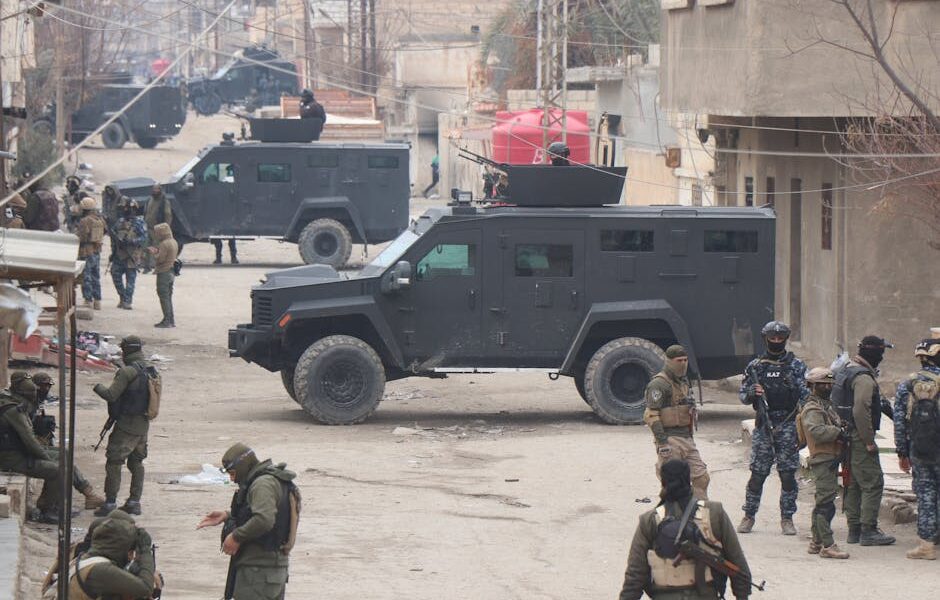
The convoy, which had been making its way from North Africa toward Egypt and then into Gaza, was reportedly stopped at a fortified position outside Sirte. According to rights groups who track these incidents, the detention was not a random security sweep. Haftar’s Libyan National Army (LNA) has a well-documented history of arbitrary arrests and alleged torture, particularly when it comes to individuals they perceive as having ties to rival political factions or international organizations they view with suspicion.
The activists, who had pre-recorded video appeals just in case something went wrong, are now the center of a quiet diplomatic storm. Their families are scrambling for information, and aid organizations are treading carefully, fearful that speaking out could make the situation worse.
Why Libya? Why Now? The Geopolitics of the Aid Convoy Gaza Libya
To understand this detention, you have to look at the map differently. Libya is not just a transit country; it is a pressure cooker of competing interests. Haftar, who controls much of the east and south, has been jockeying for political legitimacy for years. Blocking an aid convoy Gaza Libya aimed at Gaza—a cause that resonates deeply across the Arab world—sends a complicated message. On one hand, it allows him to flex his muscle to Western audiences, showing he controls the territory. On the other, it risks alienating the very populations he claims to represent.
The timing is also telling. With the situation in Gaza remaining volatile, any effort to bring in tangible support is seen as a political act. By detaining these activists, Haftar is effectively saying, ‘Nothing moves through my patch without my say-so.’ This is less about the aid itself and more about asserting sovereignty in a country where the central government in Tripoli holds very little sway.
A Costly Mistake for Humanitarian Work: The Aid Convoy Gaza Libya Fallout
This incident has a chilling effect that extends far beyond the few individuals currently detained. Overland aid convoys are already a risky proposition, requiring months of planning, negotiation with multiple armed groups, and a leap of faith. When a convoy gets snagged by a local warlord, it sends a signal to every other potential volunteer: ‘Think twice.’
For the people of Gaza, who are living under severe restrictions, every lost shipment of medical supplies, food, or clean water is a direct blow. The convoy was a symbol of grassroots solidarity—people driving thousands of miles out of their own pockets to help strangers. Now, that goodwill is held hostage by a political power play.
Original Insight: The Danger of ‘Passport Neutrality’ in the Aid Convoy Gaza Libya
One crucial aspect that often gets overlooked in these stories is the false sense of security that comes with carrying a Western passport. Many activists from Europe and the US operate under the assumption that their nationality will protect them. They think a phone call to an embassy or a viral social media campaign will spring them free. In places like Libya, that assumption is dangerously outdated. Haftar’s forces are not impressed by diplomatic cables; they are playing a long game of regional influence. For them, detaining a few Westerners is a bargaining chip, not a diplomatic incident. The real risk is that these individuals become pawns in a larger negotiation over oil revenues, military aid, or political recognition—a game where their safety is just one item on a long list of demands.
For more on how geopolitical tensions affect humanitarian efforts, see our analysis of global trust deficits. Additionally, the ceasefire in Gaza remains fragile.
What Happens Next for the Aid Convoy Gaza Libya?
For the families waiting at home, the next few weeks will be agonizing. The international community will likely issue statements calling for ‘immediate release’ and ‘full cooperation,’ but in Sirte, those words carry little weight. What will matter is back-channel diplomacy—quiet conversations between Libyan intermediaries, Egyptian officials, and perhaps even Gulf states who have influence over Haftar.
In the meantime, the aid destined for Gaza sits idle in a warehouse somewhere, a reminder that the road to helping others is seldom straight. This story is a brutal lesson in the realities of modern humanitarian work: good intentions are never enough when you are crossing a war zone. For authoritative context on Libya’s political landscape, see Crisis Group’s Libya analysis and UN Libya updates.