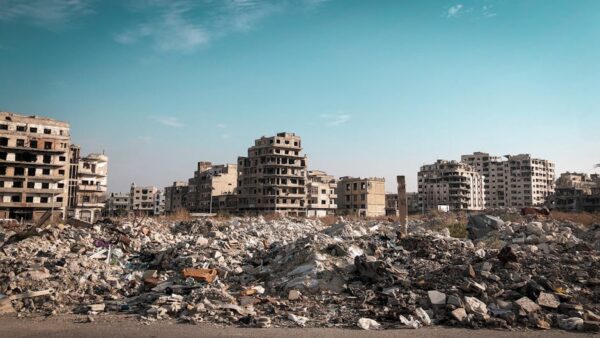
On the surface, the story reads like a cold case file dusted off after years. Australian authorities have charged a woman accused of leaving the country’s shores to join the Islamic State group in Syria. Yet beneath the legal charges and bureaucratic statements lies a far more troubling narrative: one about the quiet, persistent pull of radical ideology in everyday Australian communities — a stark reminder of the enduring challenge of extremism in Australia.
The woman, now facing serious legal consequences, allegedly traveled to Syria and became part of a militant organization that once controlled a vast swath of territory across the Middle East. While the Islamic State’s so-called caliphate has long been dismantled on the battlefield, the ideological seeds it planted continue to sprout in unexpected places — including suburban Sydney and Melbourne.
A Pattern That Refuses to Fade: The Reality of Extremism in Australia
This new charge is not an isolated incident. Since 2014, Australia has prosecuted dozens of individuals linked to the Syrian conflict. Intelligence agencies have flagged hundreds more as potential security concerns. But what’s striking about this case is the timeline: the alleged travel occurred years ago, suggesting that authorities are still unraveling networks that have gone dormant — but not extinct.
The woman’s case highlights a grim reality: extremism in Australia does not expire. Even after the territorial collapse of IS, the group’s propaganda apparatus adapted. It shifted from governing cities to inspiring lone actors and small cells. For Australians, the threat has evolved from a foreign battlefield to a domestic one, where radicalization often happens behind closed doors and through encrypted apps.
What Charges Like This Mean for the Rest of Us
For the average Australian, this news might feel distant — a headline about someone else’s tragedy. But consider this: the legal system now faces a backlog of cases involving foreign fighters and their family members. Prosecutors must piece together evidence from war zones, secure testimony from protected witnesses, and navigate international legal hurdles.
There’s also a human dimension that often goes unmentioned. Many of those who traveled to Syria were not hardened fighters. They were young men and women — some barely out of high school — drawn by a distorted sense of purpose or belonging. In a world where alienation and online echo chambers collide, the Islamic State’s narrative offered a toxic cure for a deep emotional ache.
Original Insight: The Forgotten Afterlife of a Caliphate
Here’s what the legal briefs won’t tell you: while we’ve dismantled the physical caliphate, we’ve done far less to disrupt the virtual caliphate. The woman in this case likely consumed hours of high-production propaganda long before she ever boarded a plane. Today, similar content circulates on private Telegram channels and encrypted platforms, often just a few clicks away from a teenager scrolling through memes.
Australia’s counter-terrorism efforts have been praised globally — and rightly so. But a charge leveled years after the fact raises an uncomfortable question: how many others slipped through the cracks during the peak of the conflict? And what are they doing now? The answer, for many, is that they’ve simply gone quiet. They didn’t die in Raqqa or Mosul. They came home, or they never left, carrying their beliefs beneath a veneer of normality.
This case should serve not just as a reminder of past crimes, but as a warning about the future. The ideology that drove this woman to Syria did not vanish when the last IS flag was pulled down. It merely retreated, waiting for the next crisis, the next war, the next lost soul looking for a cause.
What Happens Next
Legally, the woman will face a court process that could take years. She’s charged with offenses that carry serious prison time. But the judicial process, however important, is only one piece of a larger puzzle. Social programs, community engagement, and digital literacy — these are the slower, less dramatic tools that ultimately determine whether another person follows the same path.
As the headlines fade and the news cycle moves on, the story of one Australian woman and her journey to Syria remains a test for the entire country. Not just of its security apparatus, but of its ability to understand — and address — the reasons people are still willing to abandon everything for a lost cause. For more on related threats, see our analysis of jihadist threats in Europe and the shifting landscape of extremism. For authoritative external resources, visit the Australian Security Intelligence Organisation and the UN Counter-Terrorism Office.