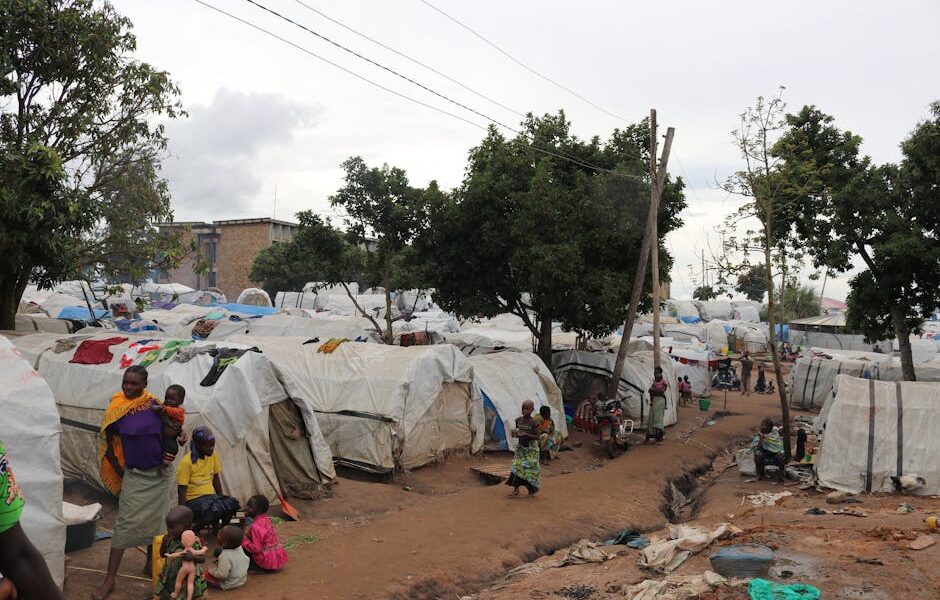
When the World Health Organization sounded its highest alert for the latest Ebola outbreak in eastern Democratic Republic of the Congo earlier this week, the announcement barely registered for most of the world. One might be forgiven for a shrug — we have heard this alarm before, many times. Yet for the exhausted families eking out a living in displacement camps along the Rwandan border, this is not another headline. It is a new catastrophe layered atop an older, grinding one.
A Perfect Storm of Crisis Upon Crisis
The zone where the current cluster of Ebola cases is emerging has been simmering with violence and hunger for years. Armed conflict in North Kivu and Ituri provinces has forced more than five million people from their homes — one of the largest internally displaced populations on the planet. Now, into this combustible mix of malnutrition, overcrowding, and broken health systems, a virus with a fatality rate that can exceed 50 percent has arrived.
What makes this outbreak particularly dangerous is not the pathogen itself, but the conditions it lands in. Malnourished bodies mount weaker immune responses. Crowded tents where families sleep in close contact provide the virus with the perfect transmission highway. And because many community clinics have been looted, closed, or abandoned, patients often travel far distances before seeking care — by which time they may have infected others along the way.
Why a Local Outbreak Could Become a Global Threat
It is tempting to dismiss this as a distant problem for Congolese families to manage. But two realities should give any global observer pause:
- Cross-border movement is constant. The affected area sits near the borders of Uganda, Rwanda, and South Sudan. Traders, refugees, and pastoralists cross these invisible lines daily. A single infected individual who boards a bus could seed chains of transmission in a neighboring capital within hours.
- Global air travel has rebounded. With passenger numbers back to pre-pandemic levels in much of the world, a case that slips through these borders could reach a major international airport before the first symptom is even noted.
The Forgotten Lesson of COVID-19
During the height of the coronavirus pandemic, world leaders promised a new era of health security: faster responses, local surveillance networks, pre-positioned vaccine stockpiles. Yet in the DRC, that promise has proven hollow. The current outbreak is the country’s 15th encounter with Ebola. Each previous outbreak has ended — thanks to the incredible bravery of local health workers and the effectiveness of vaccines — but only after exhausting costs in lives and resources.
Here is what is not being talked about enough: Ebola vaccine supplies are limited, and the cold-chain logistics required to deliver them remote areas of the DRC are fragile at best. The ring vaccination strategy that worked so well in previous outbreaks depends on rapid case identification, contact tracing, and community cooperation — all of which are far harder to achieve when people are on the move because of fear, hunger, or fighting.
An Original Insight: The Unseen Accelerant of Malnutrition
In reporting from the region over many years, I have seen a pattern that rarely makes it into official briefings. In any outbreak, the first casualties are not from the virus alone. In the camps around Goma, a child with mild measles, a pregnant woman with anemia, or an elderly man with a chest infection all share one thing: their bodies have been drained of reserves by months of insufficient food. When Ebola arrives, it does not strike a healthy population. It strikes a population that is already fighting a daily battle against starvation. The virus becomes the final blow, not the first. This means that even a moderately sized outbreak could claim a toll far higher than what the case counts suggest, because the underlying nutritional crisis multiplies every risk.
What Can Be Done Now?
Urgent measures include deploying mobile vaccination teams not just to hospitals but to displacement sites, restoring basic water supply systems in camps where hand-washing is a luxury, and neutralizing the armed groups that prevent health workers from reaching communities. None of these are simple. But they are known, tested interventions.
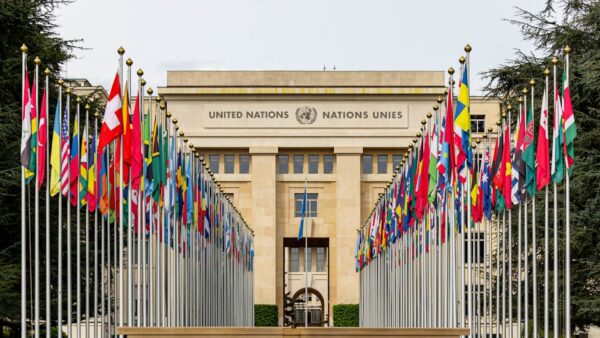
In the end, the WHO’s international emergency declaration is a recognition that this outbreak is not just a local health event — it is a test of whether the world has learned anything at all from the last global pandemic. If we have, the response will be swift, well-funded, and rooted in the dignity of the people it aims to serve. If we have not, we will once again wait until an outbreak becomes a crisis before deciding it matters.