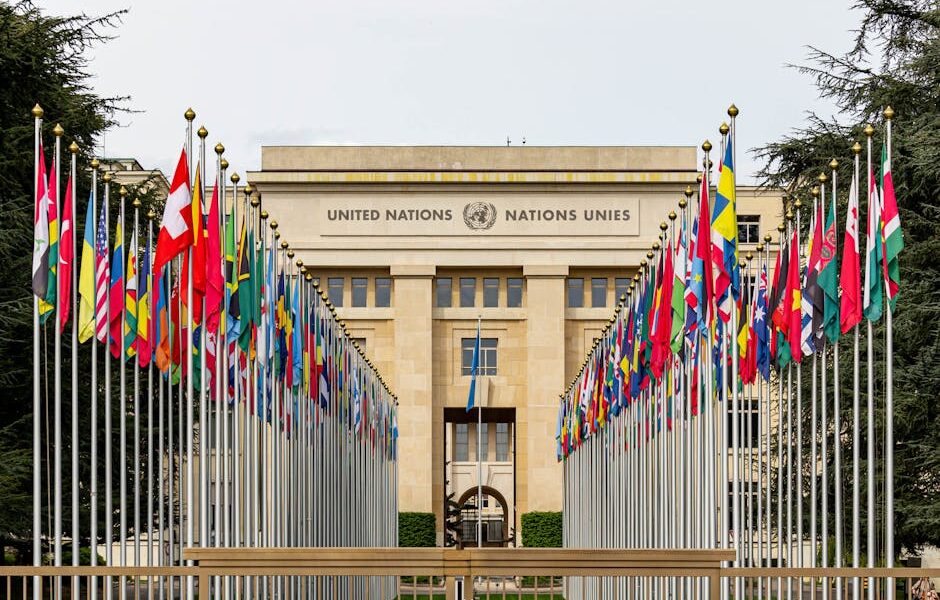
The 79th World Health Assembly kicked off in Geneva this week, bringing together health ministers, diplomats, and global health leaders under the shadow of ongoing conflicts, climate disasters, and post-pandemic recovery challenges. This year’s session, which opened with the election of Dr. Víctor Elías Atallah Lajam of the Dominican Republic as Assembly President, signals a renewed push for international cooperation at a time when trust in multilateral institutions is fraying.
Delegates will grapple with a packed agenda: from negotiating pandemic preparedness treaties to addressing the resurgence of polio in conflict zones. The presence of high-profile speakers—including United Nations Secretary-General António Guterres, Syrian President Ahmad Al Sharaa, and Barbados Prime Minister Mia Mottley—underscores the Assembly’s role as a rare platform where health meets geopolitics. But behind the diplomatic speeches lies a deeper tension: how to balance national sovereignty with the need for collective action in an era of rising nationalism.
The election of five Vice-Presidents from across Africa, Europe, Asia, and the Pacific reflects the Assembly’s effort to maintain geographic balance. Dr. Mohamed Ali Al-Ghouj of Libya, Dr. Assa Badiallo Touré of Mali, Mrs. Katarzyna Drążek-Laskowska of Poland, Mrs. Neesha Mehta of Nepal, and Mr. Elias Kapavore of Papua New Guinea will guide the proceedings. Meanwhile, Dr. Timur Sultangaziyev of Kazakhstan and Dr. Kwabena Mintah Akandoh of Ghana will chair the two main committees, tasked with shepherding resolutions on everything from antimicrobial resistance to mental health funding.
A highlight of the opening day was the presentation of the WHO Awards for Global Health to four individuals whose careers have shaped modern public health. Dr. Tore Godal, a Norwegian physician long recognized for his work on neglected tropical diseases, Dr. Merceline Dahl-Regis of the Bahamas, a champion of maternal and child health, Dr. Mike Ryan, the WHO’s own emergency operations chief, and Dr. Heba El Sewedy, an Egyptian epidemiologist, were honored for lifetime contributions. Their recognition served as a reminder that progress often hinges on the dedication of individuals working behind the headlines.
Swiss Federal Councillor Elisabeth Baume-Schneider welcomed delegates on behalf of the host nation, while Ghanaian President John Dramani Mahama delivered a special address urging wealthier countries to honor their vaccine equity promises. Spanish Prime Minister Pedro Sánchez closed the afternoon plenary with a call to treat health as a global public good, not a commodity.
One of the more striking developments this year is the video message from Syrian President Ahmad Al Sharaa—a sign that even nations ravaged by war see the WHO as a neutral channel for health diplomacy. His participation is a fragile but hopeful indicator that disease knows no borders, and that dialogue, however limited, can persist amid conflict.
Beyond the speeches and awards, the real work of the Assembly will happen in committee rooms and corridors, where negotiators will wrangle over financing mechanisms for the new Pandemic Fund and the legal framework for sharing pathogen data. The stakes are high: a failure to reach consensus on these issues could leave the world vulnerable to the next outbreak. Yet there is also reason for optimism. The very fact that 194 member states still show up—year after year—is a testament to the enduring belief that when it comes to health, no country can go it alone.