On a seemingly ordinary Wednesday morning, the bustling Winterthur train station, a key transit hub northwest of Zurich, became the scene of sudden violence in a Swiss train station knife attack. Police have confirmed that a 31-year-old Swiss man was arrested after a stabbing spree that left three Swiss nationals—ages 28, 43, and 52—hospitalized. The incident, which unfolded around 8:30 a.m. local time, has shaken the community and sparked a broader conversation about how we interpret and respond to public threats.
Swiss Train Station Knife Attack and Immediate Response
Authorities reported that the suspect used a bladed weapon, and they are currently investigating his motive. While the police have not released a formal statement on any ideological leanings, eyewitness accounts have added a layer of complexity. A person working in a nearby office told a local newspaper that they heard the suspect yell “Allahu Akbar” before launching the attack. This detail, unconfirmed by official sources, has already dominated headlines and social media discussions.
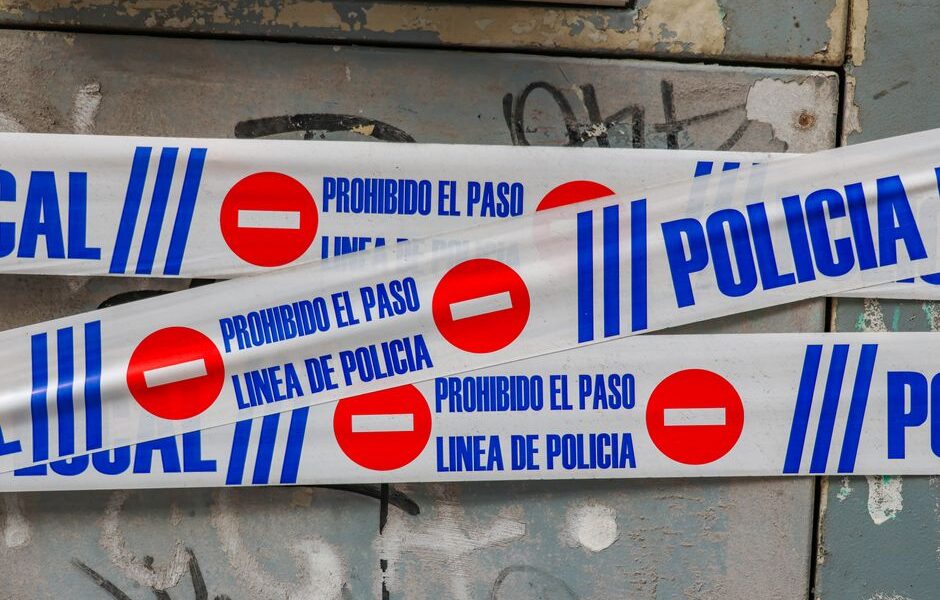
The chaos unfolded in the station’s underpass, a common commuter route. A taxi driver described to the Neue Zürcher Zeitung how the man was walking around, seemingly targeting random individuals. In a moment that highlights both the terror and the heroism of the day, a school group was passing through the area. Local media report that a teacher bravely stepped in front of the children to shield them, an act of quick thinking that likely prevented further casualties. Photos from the scene show multiple cordons around the station, as emergency services worked to secure the area and tend to the injured.
A Closer Look at Eyewitness Reliability
This is where the narrative gets tricky, and where a journalist’s instinct tells us to slow down. The alleged cry of “Allahu Akbar” is a potent piece of information that can instantly shape public perception, linking the attack to religious extremism. Yet, in the immediate aftermath of a violent event, eyewitness accounts are notoriously unreliable. Adrenaline, fear, and the cacophony of a crowded train station can distort hearing and memory. We have seen this time and again in major incidents—from the Boston Marathon bombing to the Las Vegas shooting—where initial witness statements later proved to be inaccurate or incomplete.
It is entirely possible the man yelled something else, or that the witness misheard a phrase in the chaos. The police have wisely refrained from confirming this detail, focusing instead on the investigation. However, the damage to the public narrative is often done before the facts are in. Within hours, the story was framed by many outlets with the religious angle, potentially fueling prejudice and fear. This is not to excuse any act of violence, but to caution against building a case on a single, unverified shout.
Broader Implications for Swiss Commuters
Switzerland, often seen as a safe haven, is not immune to such outbreaks of violence. Winterthur is a typical Swiss city, and its train station is a crossroads for thousands of daily commuters, including families and schoolchildren. This Swiss train station knife attack is a stark reminder that no public space is fully secure, and it has already prompted renewed calls for increased police presence and mental health resources. The fact that the suspect is a Swiss national, not a foreigner or a recent migrant, complicates the usual political narratives. It forces a conversation about homegrown radicalization, untreated mental illness, or simply random criminality—all possibilities that the investigation must weigh without bias.
For the victims, their families, and the witnesses—especially those schoolchildren who saw something deeply traumatic—the road to recovery will be long. The teacher who stood in harm’s way has become a symbol of everyday courage. As the news cycle moves on, the real work for the community begins: healing, asking hard questions about safety, and resisting the urge to leap to conclusions before all the evidence is in. For more on similar incidents, see our coverage of jihadist threats in Europe. For authoritative information on eyewitness reliability, visit APA guidelines on eyewitness identification.