The checkout lane at Walmart is, in many ways, a mirror for the American economy. When shoppers fill their carts with extra snacks and spring clothing, confidence is high. When they start reaching for the store-brand flour and skipping the steak, something is wrong. Right now, that mirror is showing a nation feeling the squeeze.
Walmart, the country’s largest private employer and a bellwether for consumer spending, recently acknowledged that rising petrol prices are forcing its customers to make tough choices. The company’s finance chief, John David Rainey, noted in an interview that the immediate shock of higher fuel costs had been softened by larger-than-usual tax refunds—a side effect of the recent One Big Beautiful Bill Act. But that cushion is now gone, and the real world is settling in.
The $4.56 Reality Check
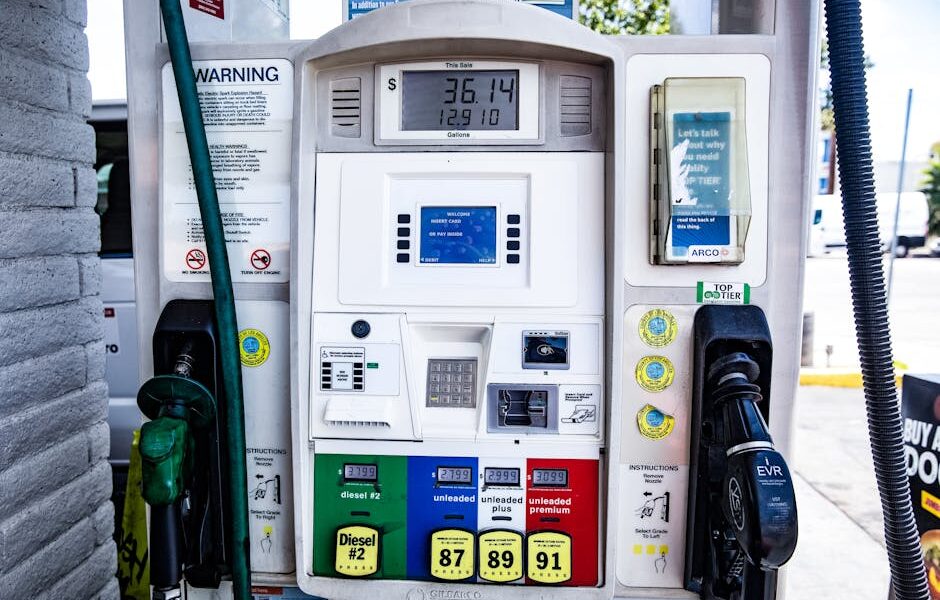
According to data from the American Automobile Association (AAA), the average price of a gallon of petrol has climbed to $4.56. To put that in perspective, that’s roughly 50% higher than the average before the conflict in the Middle East began to disrupt global oil supplies. For a family driving a sedan to work, school, and the grocery store, that extra cost can eat up $60 or more each month—money that previously went toward new jeans, a meal out, or a toy for the kids.
Walmart saw this coming. In the first quarter of its financial year, from February through April, profits actually rose by nearly 19% to $5.3 billion, and sales climbed to $177.8 billion. That strength, however, was partly fueled by those one-time tax refunds. Now, looking ahead to the months of May through July, the retailer expects sales growth to slow to between 4% and 5%—a significant drop from the 7.3% pace it just reported.
When the Pump Takes Priority
The logic is simple but painful. Americans have to fill their tanks. Everything else—new sneakers, a bigger TV, even pricier groceries—becomes negotiable. Rainey described the situation bluntly: as the tax refund money fades, consumers will “feel more of that pressure from higher fuel prices.” That pressure is already visible in the company’s stock, which slid about 7% on the day of the announcement.
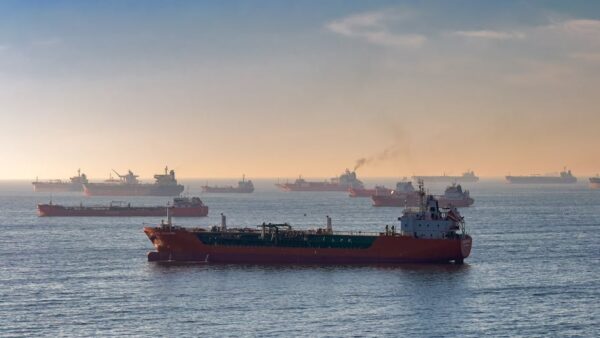
What’s particularly worrying is the ripple effect that goes beyond what you see at the pump. Walmart also warned that if the closure of the Strait of Hormuz drags on, the cost of essential farming inputs like fertiliser, nitrogen, and phosphates could spike. That could, in turn, force the retailer—and others—to raise food prices, creating a second wave of inflation at the dinner table.
A Hidden Cost of Conflict
Here’s where the story needs a bit more color. Most shoppers don’t think about global geopolitics when they pick up a bag of salad or a loaf of bread. But the connection is real. The war with Iran has sent the price of crude oil surging, and oil doesn’t just power cars—it’s a key ingredient in plastics, packaging, and transportation for almost everything we buy. When oil stays above $100 a barrel for months (as many analysts now predict it will), every link in the supply chain gets more expensive.
What’s more, the current situation is creating a kind of inflation whiplash. For a little while, people thought the worst was over. Prices were cooling. Tax refunds gave a little extra cushion. Now, that relief is evaporating, and the new shock is hitting households that haven’t yet rebuilt their savings. Danni Hewson, head of financial analysis at AJ Bell, points out that shoppers will likely continue to seek out the value Walmart is known for—but even value can only go so far when your income is stretched.
What This Means for Your Wallet
If you’re watching your own spending these days, you’re not alone. Walmart’s warning is a signal that the middle-class consumer, long viewed as the engine of the American economy, is starting to blink. The big question is whether this slowdown is a temporary blip or the beginning of a deeper pullback. For now, the company is keeping a close eye on fuel prices and expects them to stay high for the coming months.
The takeaway? The next time you’re at the register and notice your grocery bill is a little higher—or you’re buying a little less—remember that the pump is the culprit. And the pump, these days, is plugged directly into a conflict halfway around the world. That’s a connection we can’t ignore.