As the war between the United States and Iran grinds into its 92nd day, the world finds itself caught between whispers of diplomacy and the roar of continuing conflict. While President Donald Trump has hinted at a US-Iran deal that could bring a fragile peace, the reality on the ground—from the waters of the Persian Gulf to the hills of southern Lebanon—tells a far messier story. This is not a moment of resolution, but of high-stakes brinkmanship where every word and every military movement carries the weight of potential catastrophe.
The US-Iran Deal That Might Not Be
On Friday, Trump convened a meeting in the White House Situation Room, declaring he would make a “final determination” on a potential agreement with Tehran. Yet, hours later, no official announcement came. The silence from Washington was deafening, leaving analysts to question whether the US-Iran deal is real or simply a tactical feint. In Tehran, the message was clear: trust is in short supply.
Iran’s chief negotiator, Mohammad Bagher Ghalibaf, stated that the Islamic Republic would judge any agreement by actions rather than words. He insisted that no steps would be taken unless the United States acted first—a direct rebuke to Trump’s demands-based approach. Foreign Ministry spokesperson Esmaeil Baghaei further rejected the US naval blockade as illegal, framing it as a coercive tactic rather than a legitimate tool of statecraft.
This fundamental disagreement—who must move first—remains the central obstacle. For the US-Iran deal to progress, one side will have to blink. And neither has shown any willingness to do so.
A Wider War, Not a Wider Peace
While diplomats exchange vague promises, the conflict itself shows no sign of abating. In a significant escalation, Israeli Prime Minister Benjamin Netanyahu announced that Israeli forces had advanced beyond the Litani River in southern Lebanon. This marks a deepening of Israeli operations against Hezbollah, which has been launching projectiles into northern Israel. On Friday alone, air raid sirens sounded near Kiryat Shmona, with Israeli forces intercepting several launches from across the border.
Meanwhile, Israeli attacks across Lebanon have left dozens of civilians reportedly killed or wounded. The Pentagon, caught between its support for Israel and its desire for regional stability, described military-to-military talks between Israeli and Lebanese delegations in Washington as “productive.” But the fighting on the ground tells a different story—one of expanding conflict rather than narrowing paths to peace.
The Global Stage: Alliances and Armaments
Speaking at the Shangri-La Dialogue in Singapore, US Defense Secretary Pete Hegseth laid out a vision of American military expansion. He announced a planned $1.5 trillion investment in defense, calling it a historic build-up of the nation’s military-industrial base. Hegseth also urged allies to spend at least 3.5% of GDP on defense, warning that those who fail to meet that threshold could see changes in their relationship with Washington.
This push for rearmament is no coincidence. The conflict with Iran, now in its third month, has exposed vulnerabilities in supply chains, naval patrols, and allied coordination. CENTCOM forces remain “present and vigilant,” conducting regular patrols over the Middle East. The message is clear: the United States is preparing for a long haul, even as it negotiates a potential exit.
Original Analysis: The Strategic Paradox
Here lies the core contradiction of Day 92. On one hand, both sides speak of a US-Iran deal that could de-escalate tensions and reopen the Strait of Hormuz to normal shipping. On the other, they continue to fortify their positions militarily, economically, and diplomatically. This is not a sign of impending peace—it is a sign of two powers preparing for a long, grinding war of attrition, while keeping a diplomatic backchannel open as a safety valve.
The prospects for a US-Iran deal will likely hinge not on grand gestures from Washington or Tehran, but on the smaller, quieter signals: easing of the naval blockade, a reduction in drone strikes, or a pause in Israeli operations. As Al Jazeera’s Alan Fisher noted from the White House, if restrictions around the Strait of Hormuz were loosened, that would be the first real indicator of progress. Until then, the war continues—not just on the battlefield, but in the soul of every negotiation.
What Happens Next?
The coming days will be critical. Trump has staked his legacy on avoiding a protracted Middle Eastern conflict, but his own military posture suggests a willingness to escalate. Iran, meanwhile, has shown remarkable resilience, refusing to capitulate under economic pressure. The fighting in Lebanon adds another layer of complexity, with Hezbollah drawing Israel deeper into a two-front war.
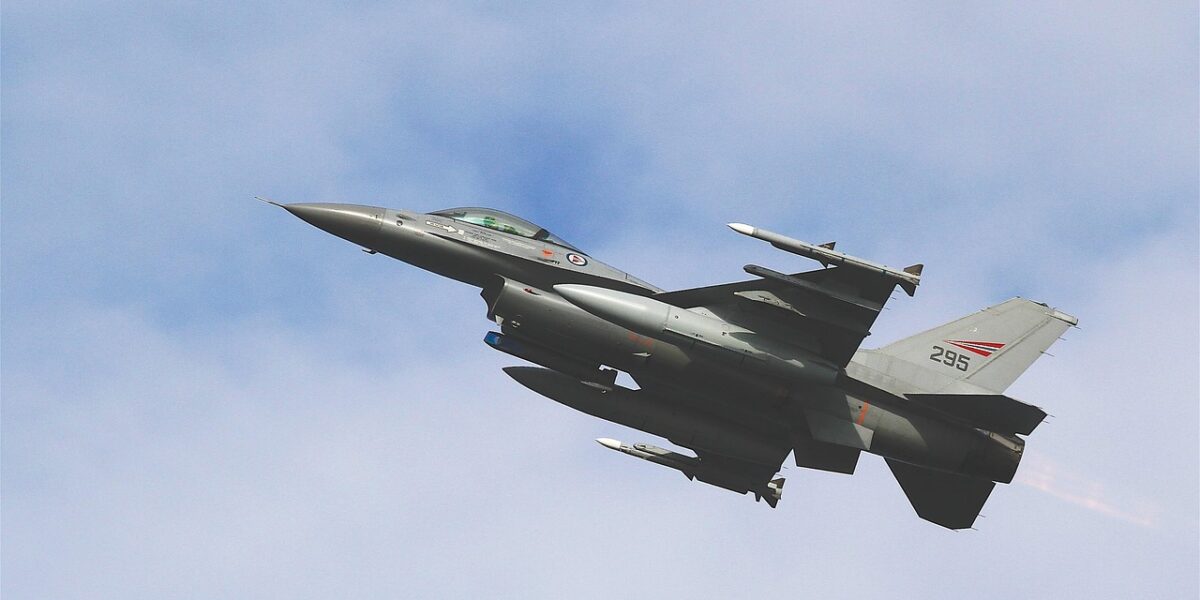
For the people of Iran, Israel, Lebanon, and the broader region, the stakes could not be higher. A US-Iran deal would mean a return to some semblance of normalcy. A failure could mean a spiral into an even wider war. On Day 92, the only certainty is uncertainty—and the quiet hum of F-16s patrolling the skies.
For more on regional dynamics, see our analysis of Trump’s deal or no deal dilemma with Iran. Also, learn about how the Beirut blast threatens the fragile truce.
For authoritative background, refer to the Council on Foreign Relations’ overview of the Iran nuclear deal and Al Jazeera’s coverage of Iran.