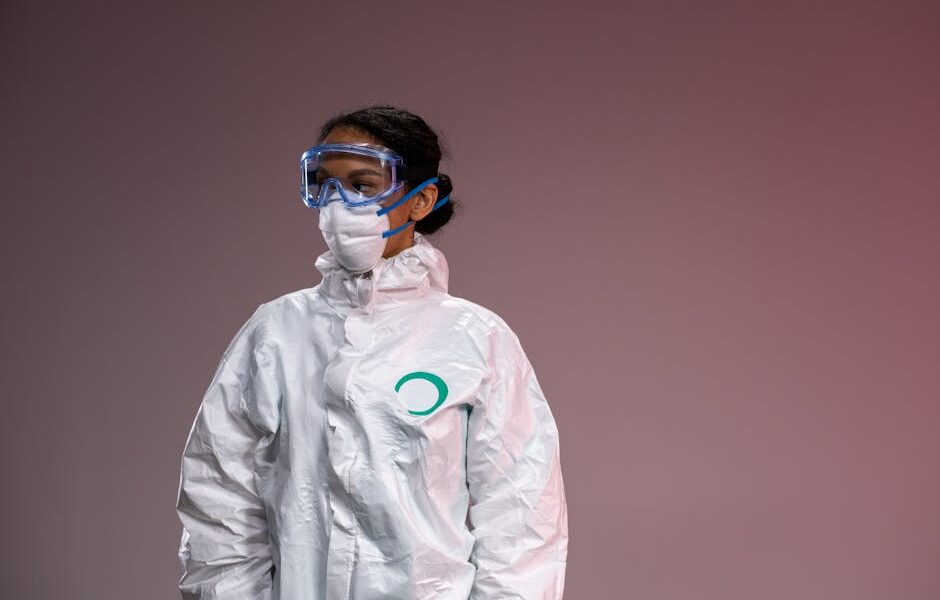
A Delicate Balance: Emergency Declared, Not a Pandemic
The new Ebola outbreak in the Democratic Republic of the Congo and Uganda has put global health systems on alert. When the World Health Organization (WHO) Director-General convened the International Health Regulations (IHR) Emergency Committee last week to discuss the Ebola Bundibugyo virus outbreak, the world held its breath. The Committee’s verdict was nuanced: a public health emergency of international concern (PHEIC) was declared, but the event was not deemed a pandemic emergency. For the average person, this distinction might sound like bureaucratic hair-splitting. But in the world of global health, it is a crucial signal about both the severity of the threat and the capacity of nations to contain it.
This is not the Ebola that ravaged West Africa in 2014, nor the Zaire strain that has caused recent outbreaks in Central Africa. Bundibugyo virus is a lesser-known cousin, first identified in Uganda in 2007. While it is less deadly than Zaire (historically killing about 40% of those infected compared to Zaire’s 70%), it poses unique challenges. It can be harder to detect because its symptoms may be milder at first, and because it appears in remote, conflict-affected border regions where health systems are weak and distrust of authorities is high.
What the Temporary Recommendations Mean for You
When the WHO issues temporary recommendations under a PHEIC, they are not just for governments. They trickle down to affect travelers, trade, and community life. The core message from this week’s meeting is one of coordinated, measured response – not panic. The Director-General, acting on the Committee’s advice, has urged all States Parties to:
- Enhance surveillance at points of entry and within high-risk communities, but without imposing blanket travel or trade restrictions that could isolate affected regions.
- Support cross-border collaboration between the DRC and Uganda, which share a porous border and a history of cross-ethnic ties that can either fuel or stop an outbreak.
- Prepare health systems for potential imported cases, especially by investing in diagnostic capacity for uncommon Ebola strains like Bundibugyo.
The emphasis is on smart containment: using contact tracing, safe burial practices, and community engagement rather than heavy-handed lockdowns. This is a lesson hard-learned from the COVID-19 pandemic and past Ebola crises: trust and local cooperation are more powerful than military checkpoints.
Why This Doesn’t Qualify as a “Pandemic Emergency” Yet
To declare a pandemic emergency, the WHO would need evidence of widespread global transmission that overwhelms health systems across multiple continents. That is not the case here. As of the Committee’s meeting, the Ebola outbreak was concentrated in a handful of remote villages in eastern DRC and western Uganda. The virus has not yet spread to major cities like Kinshasa or Kampala, and crucially, there is no evidence of sustained community transmission outside known chains of infection.
But the situation is fragile. The region is a tinderbox: armed groups roam the forests, millions of people are displaced, and vaccination coverage is low. The Bundibugyo strain does not yet have a licensed vaccine, although experimental candidates exist. This means the primary tools are old-school public health: isolating patients, tracking their contacts, and persuading families to allow safe burials.
Original Insight: The Hidden Risk of ‘Invisible’ Ebola
One factor that the official recommendations only hint at is the silent transmission risk created by the milder nature of Bundibugyo virus. Unlike classic Ebola, which hits victims like a sledgehammer with high fever and severe bleeding, Bundibugyo can start with only a low-grade fever and body aches. Victims may not immediately seek care, instead visiting local healers or staying home. Meanwhile, they can transmit the virus through bodily fluids to caregivers and family members. This means the number of actual cases could be significantly higher than reported, a phenomenon that outbreak responders call the “submarine” effect – the virus surfacing only when it becomes severe enough to be noticed. International teams must therefore invest not just in hospitals, but in community-level surveillance networks that can spot unusual clusters of illness and alert health authorities before a full-blown cluster erupts. This is a slow, expensive, and tedious process, but it is the only way to stay ahead of a virus that can hide in plain sight.
What Happens Next
The IHR Emergency Committee will reconvene within weeks to reassess the situation. In the meantime, every country – whether in Europe, Asia, or the Americas – should review its testing protocols for viral hemorrhagic fevers. A single undiagnosed traveler carrying Bundibugyo virus to a city with good healthcare could be managed. But the same traveler to a place with poor infection control could spark a cluster. The good news, if there is any, is that the world is more alert than it was a decade ago. The infrastructure built for COVID-19 – PCR labs, genomic surveillance, and public health agencies that now speak a common language – is already being repurposed to fight this new but old enemy. Whether that is enough will depend not on the WHO’s declaration, but on the hard, unglamorous work of community health workers in the forests of central Africa. For more on how previous outbreaks have tested health systems, see Ebola’s New Front: How a Border Crossing Sparked Uganda’s Latest Health Emergency. Learn about the broader context of global health security from the WHO Ebola page.