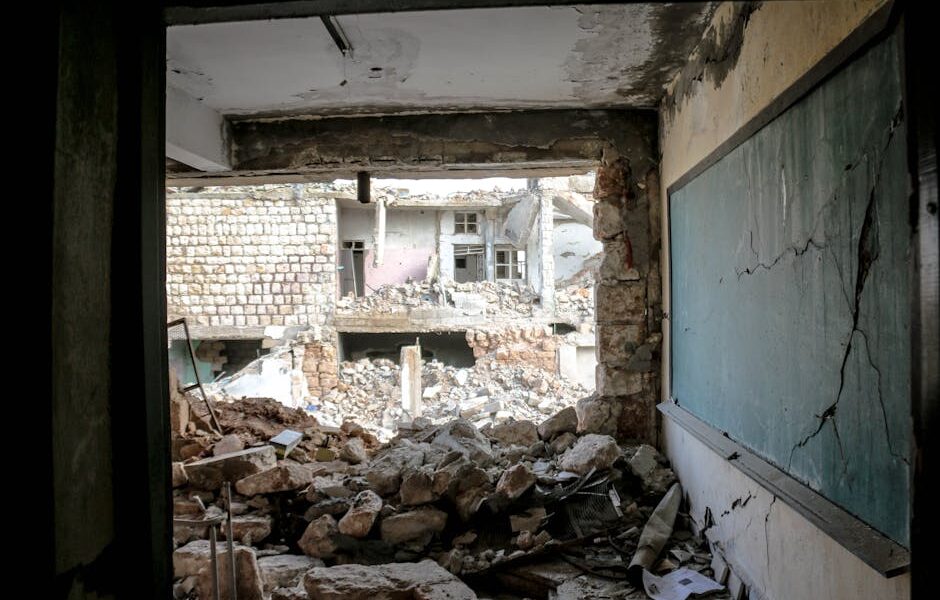
Just weeks after the world breathed a tentative sigh of relief over a U.S.-brokered ceasefire, the sky over southern Lebanon is again lit by explosions. On Saturday, Israeli warplanes struck multiple targets across the region—including the mountainous outskirts of Brital, near the Syrian border, and the villages of Yohmor al-Shaqif and Taybeh. These attacks come on the heels of a Thursday raid that severely damaged Tebnine Hospital, hitting its emergency room, ICU, and surgical ward. For the thousands of displaced families huddled near the 500-meter danger zone in Tyre, the so-called ceasefire has become a bitter mirage.
A Ceasefire in Name Only
The April 16 ceasefire, announced by former U.S. President Donald Trump, was supposed to be a turning point. Instead, it has become a linguistic trap. Since that date, more than 3,100 people have been killed in Lebanon, according to the Health Ministry—including 123 medics, over 210 children, and nearly 300 women. The math is chilling: the “peace” period has been deadlier per day than the weeks of open conflict that preceded it. A ceasefire that does not stop killing is not a ceasefire; it is a pause in diplomacy, not in violence.
The Human Cost of Ambiguity
Behind the statistics are real people making impossible choices. On Friday night, Israel’s Arabic-language spokesman Avichay Adraee issued forced displacement warnings for Burj Rahal, Tyre, and Zqouq al-Mufdi. Our journalist on the ground, Obaida Hitto, described families fleeing with children in their arms, unsure if they would ever see their homes again. “This is the kind of psychological terror that Israel is forcing people to live in,” he said. Ambulances and rescue teams remain on standby, but they are targets themselves—the attack on Tebnine Hospital is not an isolated incident, but part of a pattern that has killed 123 health workers since March.
The Strategic Geography of Violence
The choice of targets reveals a troubling logic. Striking the Nabi Sreij area near Brital—a location that had been spared since April 17—suggests Israel is deepening its campaign rather than winding it down. The proximity to the Syrian border raises questions about whether Israel is using the ceasefire as cover to dismantle supply routes or strike assets it could not hit during the height of fighting. Meanwhile, the attacks on Taybeh and Yohmor al-Shaqif in southern Lebanon appear designed to maintain a buffer zone through fear, not formal agreement.
Original Insight: The Credibility Gap That Fuels the Cycle
Here is what is missing from most coverage of this conflict: the erosion of trust in international guarantees. When a superpower brokers a ceasefire that collapses within weeks—and then does nothing to enforce it—the message to all sides is that agreements are optional. For Lebanese civilians, the U.S. announcement on April 16 now feels less like a promise of safety and more like a coordination signal for the next wave of attacks. This credibility gap does not just prolong the current war; it sows the seeds for the next one. Why would any militia or government in the region ever sign a ceasefire again, if the penalty for violation is simply more of the same?
What Comes Next?
The international community faces a choice: treat the ceasefire as a dead letter and push for a new, enforceable framework, or continue pretending that words on paper can stop missiles. For the people of southern Lebanon, the answer is already clear. They are not waiting for diplomats. They are packing their bags again, wondering if the next lull in bombing will last long enough to bury their dead. A ceasefire that protects only the powerful is not peace—it is a pause, and the clock is ticking.