In a stunning political twist that has left many Senegalese citizens bewildered, President Bassirou Diomaye Faye has abruptly dismissed Prime Minister Ousmane Sonko and dissolved the government. The move, announced on Friday, brings to a head months of simmering tensions between the two men who once stood as inseparable allies in the fight against the old guard.
Just last year, Faye and Sonko ran on a joint ticket promising radical reform, anti-corruption crusades, and a break from Dakar’s political dynasties. Their partnership was the engine of a movement that electrified the nation. Now, that engine has blown a gasket on the open road.
The Breakup Nobody Saw Coming
For many ordinary Senegalese, the rupture feels personal. Ousmane Sonko was not just a prime minister—he was a firebrand who survived prosecutions, inspired youth protests, and galvanized a generation. President Faye, his former right hand, was seen as the calm, steady executor of their shared vision. But behind closed doors, the harmony was fraying.
Sources close to the presidency suggest the split was driven by disagreements over economic strategy and the pace of anti-corruption investigations. Sonko reportedly pushed for a more aggressive purge of the former ruling class, while Faye wanted a more gradual approach to avoid destabilizing the fragile economy. The tension finally boiled over this week, culminating in the snap dismissal.
What Comes Next?
Senegal now enters uncharted political waters. With the government dissolved, Faye must appoint a new prime minister and cabinet. The big question is whether he will turn to a loyal technocrat or attempt to mend fences with Sonko’s faction—or whether a fresh face will emerge to bridge the divide.
Political analyst Aminata Diallo of Cheikh Anta Diop University in Dakar cautions against reading too much into the breakup as a sign of weakness. “This could be a strategic reset,” she says. “Faye may be clearing the deck to form a more cohesive government that aligns fully with his own vision. But it’s a gamble—losing Sonko means losing the street.”
Voices from the Street
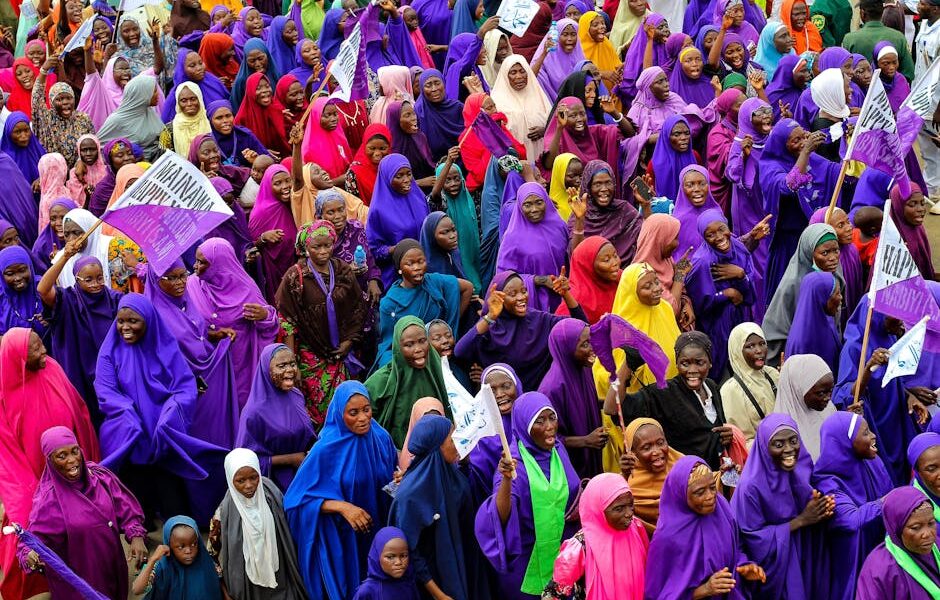
Outside Sonko’s home in Dakar on Friday evening, a crowd of supporters gathered, waving flags and chanting slogans. “They were supposed to be brothers,” said Marième Ba, a 34-year-old shopkeeper who voted for the Faye-Sonko ticket. “Now I don’t know who to trust. Politics eats its own children.”
Other citizens expressed resignation. “This is how it always ends,” said Abdoulaye Ndiaye, a university student. “They promise change, but power changes them. We’re back to square one.”
Yet not everyone is pessimistic. Some see the split as a healthy sign of democratic maturity—a breakup of a political marriage that was, perhaps, too cozy to begin with. “Better they clash now and form their own camps than rule together in silent dysfunction,” one editorial in a local newspaper argued.
Historical Echoes
This is not the first time Senegal has seen such a fracture. The country has a long history of political alliances forged in opposition only to shatter once in power. The parting of Léopold Sédar Senghor and Mamadou Dia in the 1960s, and more recently the falling-out between former President Macky Sall and his one-time protégé, show that personal loyalty rarely survives the crucible of governance.
But the stakes now are higher. Senegal is grappling with high youth unemployment, rising food prices, and the lingering economic shock of the COVID-19 pandemic. Citizens who bought into Faye and Sonko’s promise of a “new Senegal” are now left wondering whether the dream was ever real—or just another campaign slogan.
An Unwritten Chapter
The coming weeks will be pivotal. President Faye must quickly assemble a new team and reassure international investors, who watch Senegal as a beacon of stability in West Africa. Meanwhile, Sonko—now a prime minister without a portfolio—could either become a thorn in Faye’s side from the backbenches or launch a new political movement of his own.
One thing is certain: the Senegal that woke up on Friday is not the same Senegal that will go to sleep a month from now. The coalition that promised to upend the system has ended up upending itself.
As Aminata Diallo sums it up: “They came to power on a wave of hope. The question is whether that wave will carry them—or crash over them.”