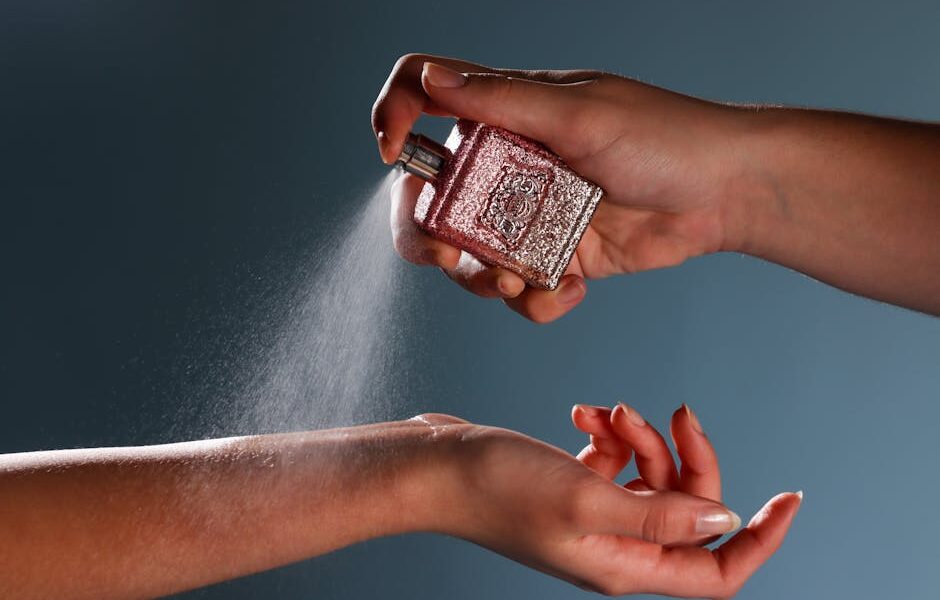
Imagine you’re stuck in traffic, your jaw is clenched, and your mind is replaying a stressful conversation from hours ago. You reach into your bag, spritz something onto your wrist, and within moments, your breathing slows, your shoulders drop, and the world feels a little less loud. That’s the promise behind a new wave of “functional fragrances” — and one Vancouver-based brand is betting that your nose is the fastest highway to your brain.
Sarah Phillips, a designer and strategist who has spent years studying how environments affect human behavior, has launched Aerchitect, a line of three nervous system mists that aim to shift your emotional state in real time. Unlike traditional perfumes that are about smelling good for others, these scents are about feeling better for yourself. The idea is simple: scent is the only sense that bypasses the thalamus and goes directly to the amygdala and hippocampus — the brain’s emotional and memory centers. So why not use it intentionally?
Not Your Grandma’s Perfume
The three formulations — named for the states they target: Ground, Reset, and Focus — are designed to trigger parasympathetic or sympathetic responses, depending on what you need. Ground leans into earthy, resinous notes like vetiver and cedarwood to calm an overactive nervous system. Reset uses bright citrus and herbal top notes to interrupt spiraling thoughts and create a sensory “refresh.” Focus employs peppermint, rosemary, and a touch of caffeine-like aromatics to sharpen attention without the jitters of coffee.
Phillips calls them “state-shift tools,” not perfumes. The mists are alcohol-free and formulated to be safe for sensitive skin, which suggests she’s aware that the people reaching for these products are likely already dealing with some degree of sensory overwhelm. The branding is minimalist, almost clinical — white bottles with grey typography — reinforcing the message that this is about function, not fashion.
The Science Behind the Spritz
This isn’t just marketing gimmickry. Olfactory science backs up the concept. Dr. Rachel Herz, a neuroscientist and expert on the psychology of smell, has published research showing that scent can alter mood, cognition, and even pain perception in under a second. The key is that the olfactory bulb is directly connected to the limbic system, bypassing the cognitive “filter” that other senses require. That means a whiff of something can make you feel calmer or more alert before you even consciously identify the smell.
What Aerchitect is doing differently is packaging that science into a portable, intentional tool — not a candle you light at home, but a mist you take to the office, the gym, or the subway. “We’ve been conditioned to think of scent as decoration,” Phillips said in a statement. “But it’s one of the most powerful biological inputs we have. We’re just barely scratching the surface of how it can help regulate our internal state.”
A Broader Shift in Wellness
The launch comes at a time when consumers are increasingly skeptical of pills and quick fixes for mental health. Instead, they’re turning to what some call “nervous system hygiene” — low-stakes, non-invasive practices like breathwork, cold exposure, and, now, targeted scent. The functional fragrance market has been growing steadily, but most entries have focused on sleep or energy (think pillow sprays or peppermint sticks). Aerchitect’s three-pronged approach — calm, reset, focus — mirrors the language of cognitive behavioral therapy and mindfulness apps, making it feel less like a luxury product and more like a self-care tool.
An Original Insight: The Risk of Over-Reliance
Yet there’s an overlooked tension here. While the product line is sleek and well-intentioned, it raises a question that few wellness brands want to answer: Are we outsourcing emotional regulation to a bottle? If every stressful moment triggers a reach for a mist, we risk training our brains to depend on an external cue rather than building internal resilience. Scent can be a wonderful aid — a nudge toward calm — but it can’t replace the slower, harder work of therapy, social connection, or simply sitting with discomfort.
Phillips doesn’t claim otherwise. The brand’s website includes a disclaimer that the mists are not medical devices and are meant to complement, not replace, professional care. Still, the marketing leans heavily on the idea of “near-immediate” shifts, which could subtly suggest that discomfort is something to be eliminated rather than understood. For a generation raised on instant gratification — from notifications to on-demand entertainment — the idea of a spray that dissolves stress in seconds is dangerously seductive.
What’s Next for Nose-Forward Wellness
Aerchitect’s launch is a bellwether for a larger cultural shift. As more research emerges on the vagus nerve and the gut-brain axis, we’re likely to see a flood of products that claim to modulate our nervous system through sensory inputs — sounds, lights, vibrations, and yes, smells. The challenge for consumers will be separating genuine innovation from placebo marketing. For now, Phillips has done her homework: the formulations are based on peer-reviewed studies on essential oils and autonomic nervous system response.
The three mists are available now through Aerchitect’s website, with a discovery set that includes all three for those unsure which state they most need to shift. Prices range from $28 to $48, putting them squarely in the affordable luxury category — not cheap, but cheaper than a therapy session. Whether they work as advertised may vary from person to person, but one thing is clear: the perfume industry’s century-long obsession with smelling desirable is giving way to a new obsession — smelling functional.