For all the breakthroughs in medicine and public health over the last twenty years, the World Health Organization’s latest global report paints a picture of a world that is, in many ways, running to stand still. The World Health Statistics 2026 report, released this week, warns that the hard-won gains of the past decade are not only slowing—they are, in some critical areas, beginning to slip backward. This isn’t just a story about numbers on a spreadsheet; it’s a story about the real-world consequences for millions of families who still cannot count on clean water, a safe place to live, or a doctor when they get sick.
Where We’ve Seen Real Progress—and Where It’s Stalled
It’s important to acknowledge the victories first. Between 2010 and 2024, new HIV infections fell by 40%, and the number of people requiring treatment for neglected tropical diseases dropped by more than a third. Tobacco and alcohol use have also declined globally. Meanwhile, between 2015 and 2024, nearly a billion people gained access to safely managed drinking water, over 1.6 billion to basic hygiene, and 1.4 billion to clean cooking solutions. The WHO African Region, in particular, has made remarkable strides, slashing HIV rates by 70% and tuberculosis by 28%—both faster than the global average.
Yet these bright spots are overshadowed by persistent and troubling trends. Malaria incidence has actually risen by 8.5% since 2015, pushing the world further from its elimination targets. Anaemia among women of reproductive age has remained stubbornly high at 30.7% for a decade, and childhood overweight rates have crept upward. Violence against women, especially intimate partner violence, still affects one in four women globally.
The Quiet Crisis Behind the Headlines
What the raw statistics don’t always convey is the human toll of stalled progress. Consider this: the global maternal mortality rate has dropped by 40% since 2000—a genuine achievement—but it remains nearly three times higher than the 2030 target. Under-five mortality has fallen by 51%, yet many countries are still off track. It’s like climbing a steep mountain only to find the summit keeps moving farther away.
More worrying still is the deceleration in tackling noncommunicable diseases—the heart conditions, cancers, and respiratory illnesses that now account for the majority of deaths worldwide. Progress in reducing premature deaths from these diseases has slowed significantly since 2015. Meanwhile, environmental risks are piling up: air pollution alone contributed to an estimated 6.6 million deaths in 2021, and inadequate water, sanitation, and hygiene caused another 1.4 million deaths in 2019.
The Pandemic’s Shadow Still Looms
The COVID-19 pandemic was not just a temporary health crisis—it was a wrecking ball to a decade of progress. Between 2020 and 2023, the WHO estimates there were 22.1 million excess deaths globally, more than three times the officially reported COVID-19 death toll. That includes people who died because health systems were overwhelmed, or because they avoided seeking care for other conditions. Life expectancy gains that took years to build were erased in months, and recovery has been slow and uneven.
Dr. Tedros Adhanom Ghebreyesus, the WHO Director-General, put it bluntly: “These data tell a story of both progress and persistent inequality, with many people—especially women, children, and those in underserved communities—still denied the basic conditions for a healthy life.”
Why Universal Health Coverage Is Slipping Away
One of the most alarming signals in the report is the stagnation of universal health coverage (UHC). The global UHC service coverage index barely budged from 68 to 71 between 2015 and 2023. At the same time, a quarter of the world’s population faced financial hardship from health costs, and 1.6 billion people were pushed into or further into poverty due to out-of-pocket health spending in 2022. In other words, for many people, getting sick doesn’t just threaten their health—it threatens their economic survival.
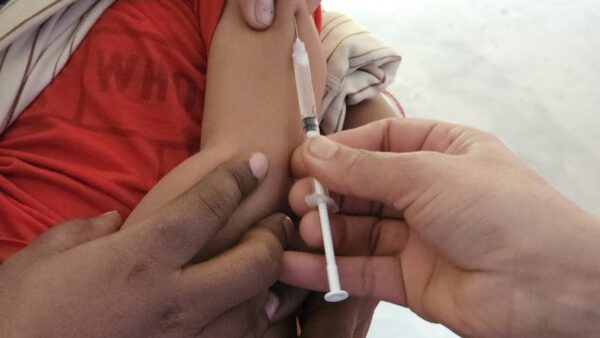
Childhood vaccination coverage is also below target, leaving immunity gaps that have already led to disease outbreaks. These are preventable setbacks, but they require sustained political will and funding to reverse.
An Original Perspective: The Data Blind Spot
Here’s a crucial point that often gets lost in these big-picture reports: we can’t fix what we can’t see. The WHO report highlights a staggering data gap. As of the end of 2025, only 18% of countries were reporting mortality data to WHO within a year, and nearly a third have never reported cause-of-death data. Of the estimated 61 million deaths in 2023, only about one-third came with any cause-of-death information, and only one-fifth had meaningful diagnostic coding. That means for two out of every three deaths on the planet, we have no clear idea what killed the person.
This isn’t just a bureaucratic problem. Without reliable data, governments cannot target resources where they are most needed. You can’t design a program to reduce heart disease if you don’t know how many people are dying from it. You can’t fight a new outbreak if you can’t track its spread in real time. Investing in health data systems—digital records, better reporting standards, and training for local health workers—isn’t a luxury. It is the foundation for everything else. As Dr. Alain Labrique, WHO’s director for data and digital health, noted, “Data gaps severely limit the ability to monitor real-time health trends, compare outcomes across countries, and design effective public health responses.”
The Road Ahead: What Has to Change
This year’s report is not without hope, but the hope is conditional. The successes in HIV, tuberculosis, and neglected tropical diseases prove that focused investment and political commitment can move the needle dramatically. The challenge now is to apply that same intensity to the areas where progress has stalled: maternal health, childhood nutrition, mental health, and the prevention of noncommunicable diseases.
Dr. Yukiko Nakatani, WHO Assistant Director-General, called for urgent action: “With rising environmental risks, health emergencies, and a worsening health financing crisis, we must act urgently—strengthening primary health care, investing in prevention, and securing sustainable financing to build resilient health systems.”
The theme of World Health Day 2026 is “Together for health. Stand with science.” That slogan carries more weight than ever. The science is clear: we know what works. What’s lacking is the collective will to apply it consistently, equitably, and with the long-term data systems needed to track progress. The next decade will decide whether the 2030 health goals become a legacy of achievement or a lesson in missed opportunities.
For the average person, the message is simple: global health isn’t an abstract concept. It’s the clean water coming out of your tap, the vaccine your child receives, and the ability to see a doctor without falling into debt. When these systems weaken, everyone feels it—but the most vulnerable feel it first. The report is a reminder that progress is never permanent. It must be defended, measured, and renewed every single day.