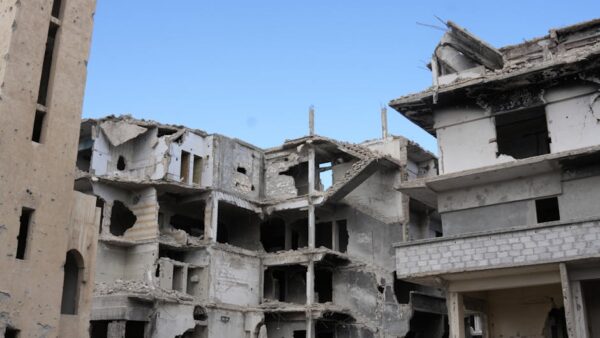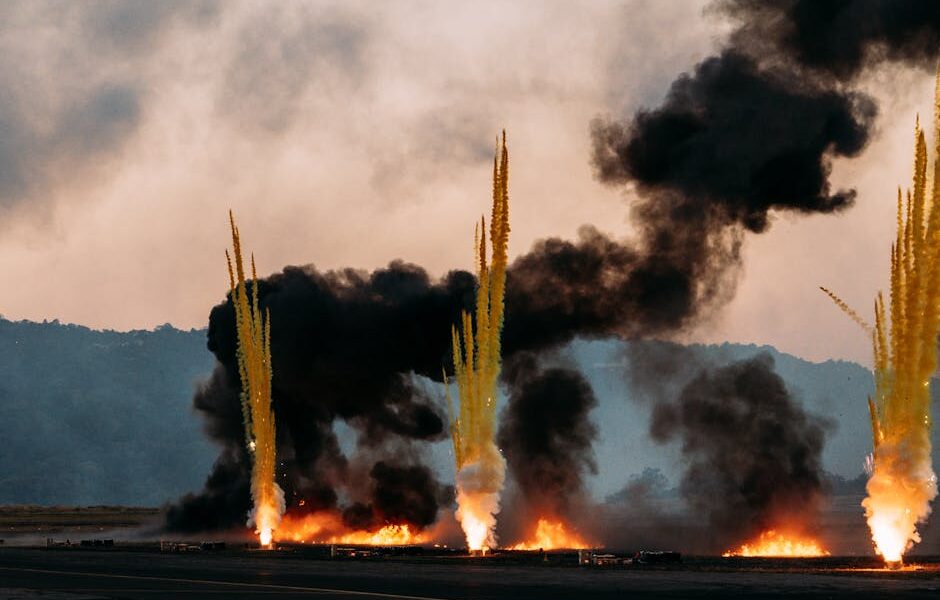
When we tally the cost of war, we count the dead, the displaced, the cities flattened. But there’s a quieter, slower killer that gets far less attention: the environmental wreckage that lingers long after the last ceasefire. This isn’t just about burning oil wells or bombed-out refineries—it’s about the toxic dust, the poisoned water, the respiratory diseases that will plague generations who were never near a battle.
The recent six-week bombardment in Iran and the Gulf has brought this into sharp focus. Strikes on energy infrastructure have sent plumes of smoke from burning fuel tanks drifting across cities, while oil residues creep toward fragile marine ecosystems. But this isn’t a new problem—it’s a recurring nightmare we refuse to learn from.
A Legacy Written in Smoke and Soot
Think back to 1991. As Iraqi forces retreated from Kuwait, they torched more than 600 oil wells. The skies above the Gulf turned black for months. That wasn’t just a dramatic image for news crews—it was a public health disaster that unfolded over decades. The United Nations eventually deemed that destruction compensable harm, and Iraq paid out more than $50 billion through the UN Compensation Commission for oil fires, marine pollution, and lost ecosystems. But no payout can undo the lung damage or the contaminated groundwater that remains.
The same story is playing out in Ukraine today. Attacks on fuel depots, chemical warehouses, and industrial sites have contaminated rivers, farmland, and air across vast swaths of the country. UN agencies and Ukrainian organizations have logged thousands of environmental incidents since the invasion—oil fires, deforestation, toxic runoff. This isn’t collateral damage; it’s a deliberate, devastating weapon.
The Fossil Fuel Vulnerability
Here’s the uncomfortable truth: our reliance on fossil fuels makes wars more destructive. Oil depots, refineries, and pipelines are giant targets packed with combustible, hazardous materials. When they’re hit, they don’t just stop working—they become toxic bombs. Fires release carcinogenic particles and gases that settle into soil and water for years. And when governance collapses, so does oversight. Pipeline maintenance becomes impossible, as we’ve seen in Yemen and Sudan. The FSO Safer tanker in Yemen nearly caused one of the worst oil spills in history before an emergency transfer in 2023—a crisis born entirely from neglect during conflict.
There’s a deeper pattern here that often goes unremarked. War doesn’t just create pollution; it creates a cycle of pollution. When electricity grids fail and fuel becomes scarce, households burn charcoal and firewood. This accelerates deforestation in already fragile regions. Sudan has lost significant tree cover around Khartoum since the conflict began in 2023—trees that retained groundwater and supported local ecosystems. The loss compounds the damage.
The Carbon Footprint the World Ignores
Militaries themselves are massive emitters. In 2022, armed forces worldwide were responsible for an estimated 5.5 percent of global greenhouse gas emissions—most of it from burning high-emitting fuels. Yet military emissions are largely exempt from international climate accounting, thanks to a loophole long pushed by the United States. As global military spending surges, so does this largely uncounted carbon footprint.
And then there’s the rebuilding. When we reconstruct destroyed cities, we pour concrete and produce steel—among the most carbon-intensive industrial processes on Earth. Every rebuilt school, hospital, and road embeds a new surge of emissions into the atmosphere. The very act of recovery adds to the climate burden.
A Different Kind of Energy Future
This raises a critical question that rarely gets asked: what if we rebuilt differently? Solar panels don’t spill crude into rivers when they’re destroyed. Damaged wind turbines don’t ignite refinery-scale fires or release toxic benzene into neighborhoods. Renewable energy systems are not immune to war—nothing is—but their environmental footprint is fundamentally different. They don’t create the same long-lived toxic legacies.
Countries that reconstruct their energy grids around distributed renewables rather than centralized fossil fuel infrastructure would reduce both the immediate pollution from attacks and the global economic shocks that follow when major supply routes like the Strait of Hormuz are threatened. It’s not a magic bullet, but it’s a practical step toward breaking the cycle of war-driven environmental destruction.
Wars will continue to destroy infrastructure. That’s a grim reality. But whether they also leave behind decades of pollution—poisoned water, scarred lungs, degraded ecosystems—depends on the choices we make when the fighting stops. The cleanest bomb is the one that doesn’t leave a toxic inheritance.