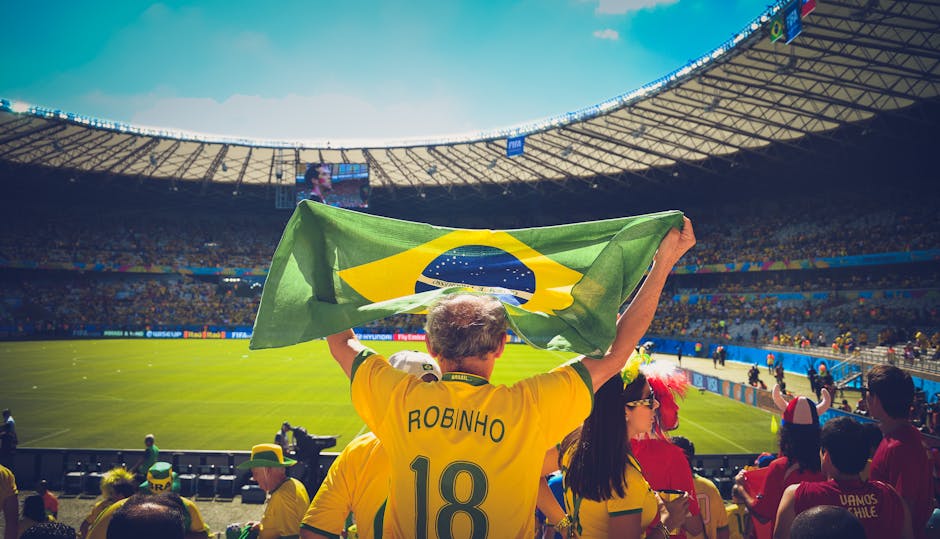
In a city where a hot dog cart and a subway ride can cost you a day’s wages, the idea of attending a World Cup match in 2026 seemed like a fantasy for most New Yorkers. But a new lottery program from City Hall is aiming to flip that script—offering 1,000 tickets at just $50 apiece, a price so low it feels like a typo next to the $2,000-plus resale listings flooding secondary markets.
How the lottery works and who qualifies
The program, announced by Mayor Zohran Mamdani, opens the door for New York residents to enter a randomized drawing for deeply discounted seats to matches hosted at the city’s venues. Applicants need only prove city residency—no credit checks, no loyalty points, no season ticket history. The lottery is a one-shot, one-entry system designed to spread the opportunity as wide as possible.
Winners will be notified by email and must purchase their tickets within 48 hours. The city is partnering with local community centers and libraries to help those without internet access submit paper entries, a move that acknowledges the digital divide that often locks out low-income families from such initiatives.
The bigger picture: who really gets to go?
Behind the feel-good headlines lies a deeper question about the soul of global sporting events. The 2026 World Cup, co-hosted by the U.S., Canada, and Mexico, is already being dubbed the “corporate Cup” by critics, with sky-high sponsorship deals and VIP packages swallowing most available inventory. What Mamdani’s lottery does is create a small, symbolic counterweight—a nod to the working-class roots of football (or soccer, if you insist) that the modern game has largely left behind.
But symbolism only goes so far. One thousand tickets is a drop in a stadium-sized bucket. At MetLife Stadium in New Jersey, which will host several matches, capacity tops 82,000. That means the lottery covers roughly 1.2 percent of a single game’s seats. Critics say the program is more about optics than access, while supporters argue it’s a start—a proof-of-concept that could pressure other host cities to follow suit.
Still, for the families who win, $50 tickets could mean the difference between a memory of a lifetime and watching the games on a 12-inch screen in a bar. That’s a bet worth taking, even if the odds are long.
Expert perspective: a legacy beyond the pitch
Sports economist Dr. Leila Vasquez of Columbia University notes that major events often leave a bitter taste for locals priced out of the party. “In London 2012, Rio 2016, and Tokyo 2020, we saw residents pushed aside by luxury hospitality and tourist dollars,” she says. “NYC’s lottery is a small but smart attempt to reclaim some of that space for the people who pay the taxes and sweat the infrastructure. If executed well, it could set a precedent for how future mega-events handle ‘legacy’—not just for stadiums, but for the community.”
The lottery also sidesteps the usual chaos of ticket drops. No bots, no credit card limits, no algorithmic scalping—just a clean, transparent draw. The city will publish the results publicly, and winners’ names will be kept confidential to avoid a resale black market.
What’s next for ticket-hungry fans?
Beyond the 1,000 lottery seats, the city is also exploring a “volunteer for a ticket” program, where residents could earn free entry by working as game-day ambassadors—helping with crowd control, translation services, or neighborhood clean-ups. That initiative is still in the planning stages, but it reflects a broader effort to make the World Cup feel like a local event, not a high-priced invasion.
For now, the deadline to enter the lottery is June 15, 2026. Winners will be drawn live on City TV. New Yorkers hoping for a miracle should keep their fingers crossed—and maybe their calendars clear for a summer they’ll never forget.