For years, the Democratic Republic of Congo has been a reluctant expert in fighting Ebola. Each outbreak brought hard-won lessons, refined protocols, and a network of local health workers who knew exactly how to trace contacts, isolate patients, and bury the dead safely. But expertise doesn’t pay for gloves, fuel for motorbikes, or the salaries of surveillance teams. And right now, that expertise is being stretched to its breaking point.
Recent cuts to international aid from several Western nations have left the country’s health system scrambling to respond to a fresh Ebola flare-up. This isn’t a failure of knowledge — it’s a failure of political will. The Congolese government and its health partners are now trying to contain a deadly virus with one hand tied behind their backs.
More Than a Numbers Game
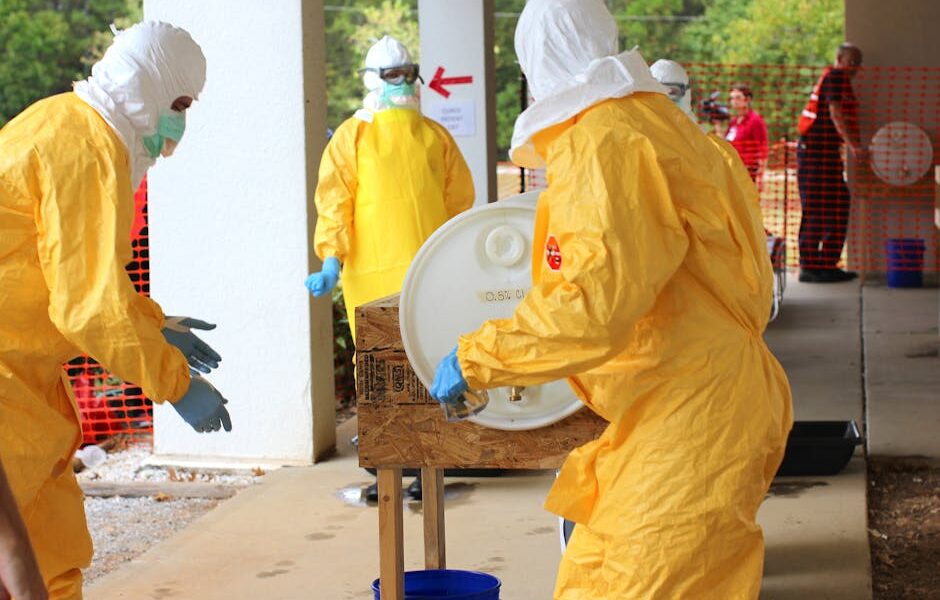
The immediate impact of the funding shortfall is brutally practical. Vaccination campaigns are moving slower. Contact tracers are covering wider areas with fewer resources. Laboratory testing — the backbone of any outbreak response — faces bottlenecks just when speed matters most. The World Health Organization has warned that the situation could escalate quickly if these gaps aren’t filled.
But the deeper story here is about trust. Decades of underinvestment in public health infrastructure, followed by abrupt aid withdrawals, create a dangerous cycle: communities see outsiders arrive with promises, then vanish when the camera crews leave. Each time funding dries up, suspicion grows. And in an outbreak, suspicion can be deadlier than the virus itself.
What the Original Reporting Missed
Most coverage of this story focuses on the immediate crisis — the rising case counts, the appeals for more money, the logistics of deploying vaccines. But the missing piece is the strategic contradiction at the heart of global health security. Wealthy nations have spent the last decade preaching the gospel of ‘build back better’ and ‘never again’ after COVID-19. They created surveillance networks, funded research, and trained rapid response teams. Yet the moment a new threat appears in a region without geopolitical leverage, those same nations quietly turn off the tap.
What we are witnessing in eastern DRC isn’t just a local tragedy. It is a stress test for the entire system of international health cooperation — and so far, the system is failing. The message being sent to low-income countries is chilling: prepare for pandemics, but don’t expect help when a pandemic actually arrives on your doorstep.
The Roots of the Crisis
To understand why this Ebola outbreak is different, you have to look at the long arc of funding instability. In 2019, the DRC successfully ended a devastating outbreak in North Kivu and Ituri — a feat achieved with massive international support and military-style coordination. That response cost hundreds of millions of dollars. Today, the same region is facing a new outbreak with a fraction of that budget.
- Health worker morale is collapsing — many have gone months without hazard pay or proper protective equipment.
- Logistics are in disarray — ambulances are breaking down, and cold chains for vaccine storage are unreliable.
- Cross-border surveillance is patchy — the virus doesn’t respect borders, but aid budgets do, and neighbouring countries are also feeling the pinch.
The irony is that the DRC has actually gotten better at managing Ebola. Fatality rates in recent outbreaks have fallen, thanks to new treatments and faster detection. But that progress is fragile. It depends on a steady flow of resources that the international community has shown it is unwilling to sustain.
A Question of Priorities
Western donors often frame aid cuts as a matter of fiscal necessity or a shift in domestic priorities. But the cost of containing an outbreak early is a fraction of the cost of fighting a full-blown epidemic — let alone a global pandemic. The World Bank has repeatedly shown that every dollar spent on outbreak preparedness saves many more dollars in averted response costs. The math is clear. The politics, unfortunately, are not.
What is happening in the DRC right now is a preview of a future where global health solidarity is replaced by a patchwork of national interests. If wealthy nations continue to disengage, Ebola — or its inevitable successor — will not stay contained in one country. As the saying goes: a virus anywhere is a threat everywhere. But saying it and funding it are two very different things.
For now, Congolese health workers are doing what they have always done: fighting with courage, ingenuity, and too little support. Whether they succeed this time depends less on them — and more on whether the world remembers its promises.