From distant thunder to a hole in the roof
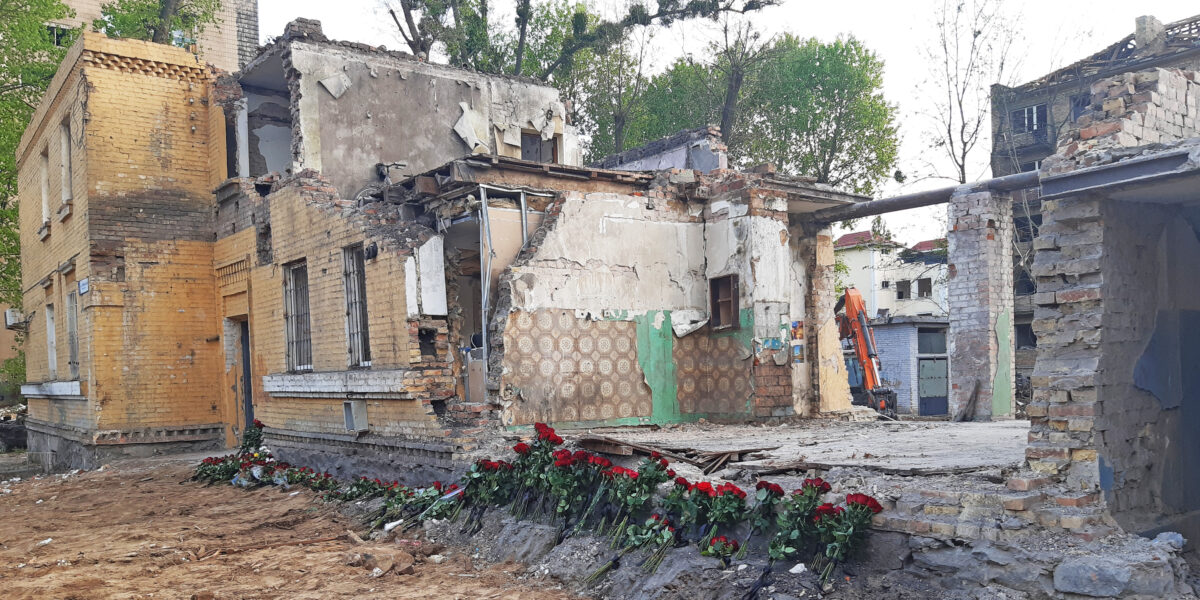
For months, the people of Galati, a Romanian city on the Danube River, have lived with the distant rumble of explosions across the border in Ukraine. Air raid sirens and drone swarms were someone else’s problem. That changed on a Friday morning just before 2:00 a.m., when a Russian-made Geran-2 drone slammed into an apartment block while dozens of families were asleep. This drone strike Romania left a jagged hole in the concrete roof, a woman and her teenage son hospitalized with bruises and minor burns, and a community shattered by the realization that their safety was an illusion.
This is not a story about a deliberate invasion. NATO and EU leaders have called Moscow’s conduct reckless, but no one is accusing Russia of intentionally targeting Romania. Instead, it’s a story about how a war that has dragged on since 2022 is spilling over, inch by inch, into neighboring countries. And for residents like Costel Patrichi, the building manager who helped evacuate his neighbors, the label doesn’t matter. What matters is the fear.
‘If I go back to my flat tonight, I will sleep with fear,’ he told reporters, standing near the plastic sheet now covering the hole. ‘Because this could happen again.’
Why this drone strike Romania matters beyond one building
The drone strike on Galati is the most serious of its kind in Romania since the full-scale invasion began, but it highlights a broader, growing risk. Russia targets Ukrainian ports on the Danube that are vital for grain exports, and its drones increasingly veer off course or are deflected by Ukrainian air defenses. In this case, Romanian authorities tracked a swarm of 43 drones; one changed direction, crossed the border, and hit a residential area.
Romania’s air force had only moments to react before the drone was over a built-up zone, making interception too dangerous for pilots on the ground. Yet that explanation offers little comfort to the people who now live in the shadow of a conflict they didn’t start. Adrian, another resident who checked on his family’s damaged flat, called the event ‘insane’ and said the sanctions against Russia are ‘not enough’ because ‘they could take everything from Russia and they would still attack.’
A delicate diplomatic dance
In response, Romania has taken measured steps. It shut down a Russian consulate in the port city of Constanta as a ‘warning’, and President Nicosur Dan said the next move would be to expel the Russian ambassador. But for now, the ambassador remains. Bucharest also considered invoking Article 4 of the NATO treaty, which would require an emergency meeting among allies, but rejected the idea to avoid causing public panic. Article 5 — the mutual defense clause — is not on the table.
This caution reflects a careful balancing act: condemning Russian aggression without escalating the conflict into a direct NATO-Russia confrontation. But for the citizens of Galati, this caution feels like a betrayal of the security they were promised. As one frustrated resident told reporters: ‘They told us we are protected by NATO, not to worry. But look where we are now!’
An original perspective: The erosion of the ‘safe neighbor’ illusion
Here is what many articles miss: the psychological toll on a nation that believed geography and alliance membership made it immune. Romania is a NATO member, an EU state, and sits just across the Danube from a war zone. For years, its citizens have watched the war from a distance, donating to refugee causes and reading about missile strikes in Kyiv or Odesa. Now, the war has a local address: Strada? Somewhere in Galati.
This incident shatters the illusion that ‘neighbor’ status offers immunity. It also exposes a gap in NATO’s ability to protect every square meter of allied territory from low-cost, hard-to-track drone swarms. The same cheap Iranian-designed Shahed drones that terrorize Ukrainian cities can slip through the cracks of even the most advanced air-defense systems. For every Romanian who hears a buzzing overhead, the question will no longer be ‘Is it ours?’ but ‘Is it coming for me?’ This creeping normalization of danger — this slow erosion of peacetime existence — is perhaps the most insidious consequence of the war’s expansion.
What comes next for Romania and its allies
Romania has called for NATO to accelerate the transfer of military equipment to its eastern flank. The government is also acquiring its own drones and developing others with Ukrainian companies. The EU is working on a new sanctions package against Moscow. But for the people we met in Galati, these are abstract solutions to a very real, nightly fear.
As Ingrid, another resident, put it: ‘No-one feels safe now.’ That sentence captures more than just a moment of panic after a loud bang. It signals a shift in how a nation sees itself — and how it might see its alliance obligations. If Romania feels exposed, its neighbors in Bulgaria, Slovakia, and Poland are likely asking the same questions. The war in Ukraine has a new, invisible front line: the one inside the minds of civilians who thought they were beyond reach.
For more on how drone technology is reshaping modern warfare, see our article on AI-powered drones in Ukraine. External analysis from the Center for Strategic and International Studies provides further context on drone proliferation.