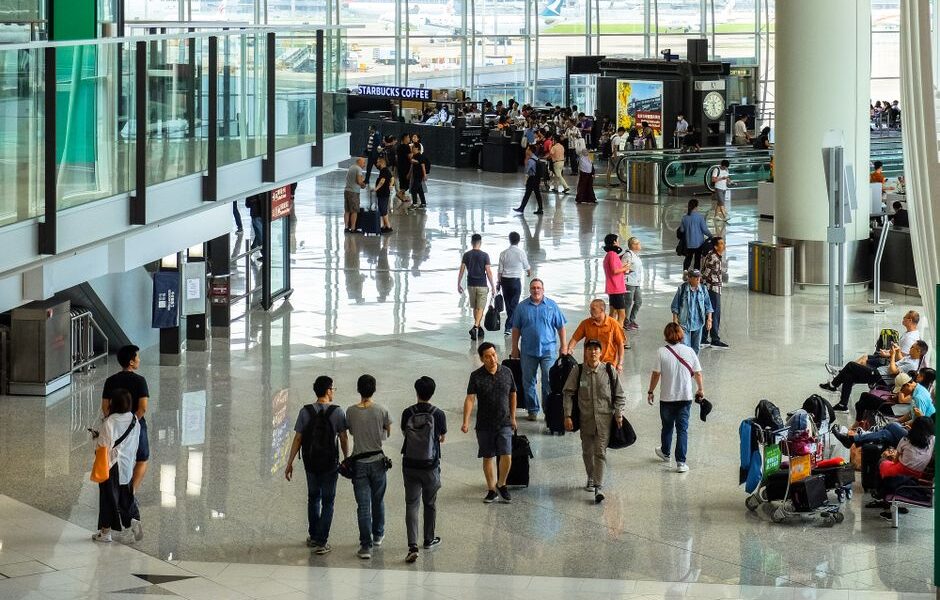
In the early hours of Wednesday morning, a quiet but desperate exodus began at Johannesburg’s OR Tambo International Airport, as Ghanaians fleeing South Africa boarded buses chartered by the Ghanaian embassy. Buses chartered by the Ghanaian embassy pulled up, carrying men, women, and children—some clutching bags, others barely holding back tears. They weren’t tourists. They weren’t diplomats. They were 800 Ghanaians who had decided that 10 years of life in South Africa was no longer worth the risk. The first 300 were set to board a plane home by dawn.
This isn’t just a story about one group of people leaving a country. It’s a window into a growing crisis that has been simmering for years, one that pits locals against immigrants, governments against their own citizens, and promises of safety against the creeping threat of violence. The protests that triggered this mass departure—organized by a group calling itself March and March—are part of a pattern that analysts say could explode again if left unchecked.
Ghanaians Fleeing South Africa: The Fear Behind the Flight
Rudolph, a salon owner who’d built his life in South Africa over a decade, didn’t want to leave. But the recent demonstrations, which have spread from Durban to other provinces, changed his mind. ‘It’s not comfortable for us to stay here anymore, so we have to go,’ he told reporters, his voice heavy with resignation. ‘I think we will find peace at home.’
The protests aren’t subtle. Organizers have given illegal immigrants a hard deadline—30 June—to get out. For many Ghanaians, even those with legal status, the atmosphere has become toxic. ‘Definitely something bad could happen,’ Rudolph warned, adding that he’ll never return. His fear isn’t baseless: South Africa has a bloody history of xenophobic violence. In 2008, 62 foreign nationals were killed in attacks across the country. In 2019, at least 12 more died. The memory of those events haunts the streets of Johannesburg and Durban.
What’s Really Driving the Anger?
On the surface, protesters say immigrants are stealing jobs, straining public services, and overwhelming hospitals. But dig a little deeper, and the picture gets murky. Many analysts point to a more cynical explanation: local elections are coming in November. Anti-immigrant rhetoric is a classic political tool to rally voters, especially when the economy is sluggish and unemployment hovers around 32%. It’s easier to blame a foreign face than to address systemic failures in housing, education, and healthcare.
The group behind the recent marches, March and March, claims to be a ‘citizen-led movement for immigration reform.’ But their tactics have drawn sharp criticism from human rights organizations, who say the movement fuels hatred rather than solutions. The South African government has condemned criminal acts against foreigners while acknowledging that the country does have a problem with undocumented migrants. It’s a vague, two-faced stance that leaves everyone feeling betrayed.
Original Insight: A Misguided Victory Lap
There’s a troubling irony in this situation that isn’t being discussed enough. Ghana’s government is patting itself on the back for bringing its people home. High Commissioner Benjamin Quashie said the government ‘listened to the plight of its citizens’ and that they’ll even help returnees set up businesses. That sounds noble, but it’s also a convenient move that lets Ghana avoid bigger questions: Why were so many of its citizens undocumented in the first place? Why didn’t the embassy step in earlier to protect them or mediate with South African authorities? And what message does this send to other African nations—that when things get tough, the answer is to pull up the drawbridge rather than demand change?
Meanwhile, South Africa’s political establishment gets to look the other way. By framing this as a voluntary repatriation, Pretoria sidesteps accusations of xenophobia. But the departure of 800 Ghanaians—out of an estimated 25,000 living in the country—is a drop in the ocean. Unless underlying tensions are addressed, this won’t be the last charter flight. Next time, it might be Nigerians, Zimbabweans, or Somalis boarding the plane. And the violence that Rudolph fears might become more than just a worry.
The Human Cost of Political Games
What gets lost in the political chess game is the human toll. Rudolph’s clients, friends, and the life he built are now in the past. The children on those buses are being torn away from schools and friends. The Ghanaian taxpayers are footing the bill for a crisis they didn’t start. And back in Ghana, there’s no guarantee of jobs or stability for the returnees, despite the government’s reintegration promises.
As the sun rose over OR Tambo on Wednesday, one thing became clear: Repatriation isn’t a solution. It’s a bandage on a wound that keeps reopening. Until both South Africa and its neighbors tackle the root causes of migration—economic collapse, political instability, and climate change—this cycle of fear, protest, and exodus will repeat itself. And each time, it will take a little more of the continent’s hope with it. For more on migration crises, see Deadly Elephant Collision Highlights Uganda’s Growing Human-Wildlife Conflict. Learn about the broader impact of xenophobia from Human Rights Watch.