For decades, Oman has played the quiet diplomat—a trusted mediator in the Middle East’s most volatile disputes. But now, that carefully cultivated neutrality is being tested like never before, as Strait of Hormuz tensions escalate. The Trump administration has issued a stark ultimatum to Muscat: cooperate with Washington on keeping the Strait of Hormuz open, or face the full weight of American sanctions and military force.
The warning, delivered via Treasury Secretary Scott Bessent in a pointed social media post, signals a dramatic shift in how the U.S. treats one of its few stable partners in the Gulf. Bessent declared that the Treasury would ‘aggressively target’ any nation helping Iran impose tolls on commercial shipping through the strategic waterway—language that effectively puts Oman on notice.
Strait of Hormuz Tensions: A Dangerous New Leverage Point
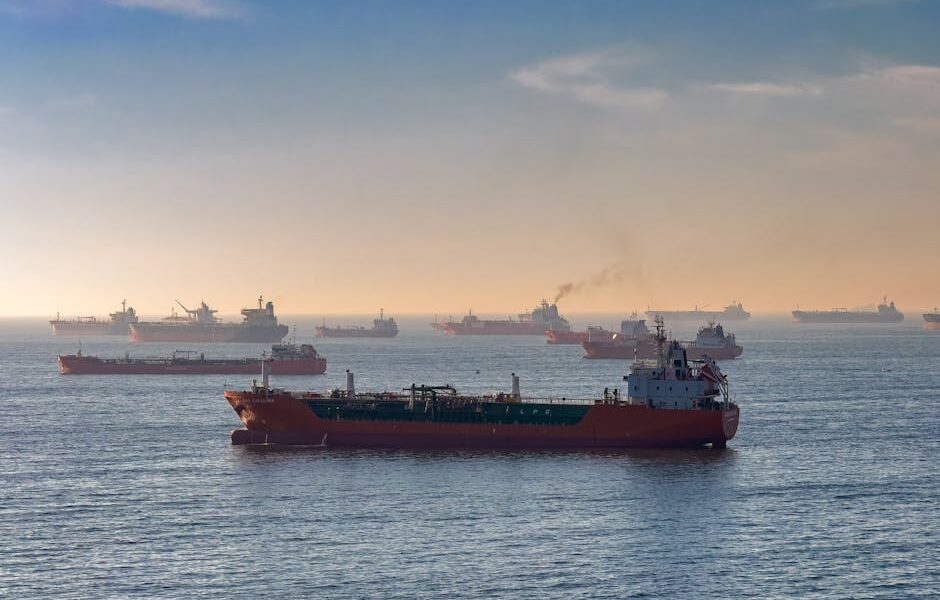
The Strait of Hormuz is no ordinary piece of water. Before the recent outbreak of hostilities between the U.S. and Iran, roughly 20 percent of the world’s seaborne oil passed through its narrow channel. Since Iran closed the strait in late February and asserted sovereignty over it, global energy markets have been rattled, pushing oil prices higher and threatening economic stability far beyond the region.
The U.S. and Iran have been locked in indirect talks aimed at ending the broader conflict, but control of Hormuz has emerged as the chief sticking point. President Trump has made it clear that he will not accept any arrangement that gives Iran—or any country—the power to tax vessels passing through the waterway. ‘Nobody is going to control it,’ Trump told reporters earlier this week, adding that Oman would ‘behave just like everybody else, or we will have to blow them up.’
Iran’s Counter-Move: A ‘Just Order’ for the Strait
Tehran, meanwhile, is framing its stance in loftier terms. Ali Bagheri Kani, deputy secretary of Iran’s Supreme National Security Council, argued that the strait must not be used as a tool of ‘insecurity’ against Iran. He called for a new regional framework that ‘negates hegemony and domination’ and promotes mutual trust. In practice, that means Iran wants joint control with Oman—a proposal that Washington has already rejected outright.
From Iran’s perspective, the U.S. has been using Hormuz as a strategic chokehold for decades, and it sees the current crisis as an opportunity to rebalance power. By aligning with Oman—a country with territorial claims along parts of the strait—Tehran hopes to create a fait accompli that the U.S. cannot easily reverse.
An Original Insight: The Unseen Cost for Oman
What’s missing from most coverage is just how precarious Oman’s position has become amid Strait of Hormuz tensions. Muscat has long relied on its reputation as a neutral broker to maintain relationships with both Washington and Tehran. But that balancing act becomes impossible when the U.S. demands absolute loyalty. Oman cannot simply pick a side without betraying the very identity that has kept it out of regional conflicts. If it capitulates to U.S. demands, it loses credibility in Tehran and risks becoming a target for Iranian retaliation. If it resists, it faces economic strangulation from the very ally that has guaranteed its security for decades.
Moreover, the U.S. threat of sanctions against a partner that hosts American military bases and cooperates on counterterrorism is almost unprecedented. It suggests that the White House sees the Hormuz issue not as a diplomatic wrinkle, but as a zero-sum test of power. For everyday Omanis, the consequences could mean higher prices, disrupted trade, and the erosion of a foreign policy that has kept their country out of trouble for generations.
What Happens Next?
The next few weeks will be critical. The U.S. and Iran are still talking, but the gap between their positions remains vast. Oman has not officially responded to Washington’s latest demand, though it has previously signaled no interest in jointly controlling the strait. Whether Muscat can find a third path—or will be forced to choose between two dangerous extremes—remains unclear.
One thing is certain: the Strait of Hormuz is no longer just a chokepoint for oil tankers. It has become a flashpoint where the future of Gulf diplomacy, global energy security, and the credibility of U.S. threats all collide. For more on the broader conflict, read about Strait of Hormuz: US-Iran tit-for-tat attacks threaten fragile calm and Strait of Hormuz becomes a high-stakes chessboard as US-Iran tensions flare on day 90. For authoritative analysis, see the Center for Strategic and International Studies and U.S. Energy Information Administration.