In a devastating escalation of Sudan’s civil war, fighters linked to the Rapid Support Forces (RSF) stormed a cluster of villages west of Bara on Thursday, slaughtering at least 27 unarmed civilians—many of them elderly—according to the Sudan Doctors Network. This Eid massacre North Kordofan unfolded during the solemn second day of Eid al-Adha, a time normally reserved for prayer and family gatherings, turning a religious holiday into a nightmare for the Al-Murrah area.
A Pattern of Brutality Behind the Headlines: The Eid Massacre North Kordofan
While the massacre shocked the international community, for Sudanese civilians caught between the army and the RSF, it fits a grim pattern. Since April 2023, when simmering tensions erupted into open war, both sides have been accused of targeting non-combatants. The Sudan Doctors Network, a Cairo-based medical charity, condemned the assault as a flagrant violation of international humanitarian law, reminding the world that safe villages no longer exist in Sudan. The RSF and its allied militias already control vast swaths of Darfur and parts of Kordofan—regions rich in oil and gold—and the fight for Bara has become a strategic flashpoint. This latest bloodshed occurred in an area with no military presence, underscoring a deliberate campaign of terror against the most vulnerable.
Why This Attack Matters Far Beyond Kordofan
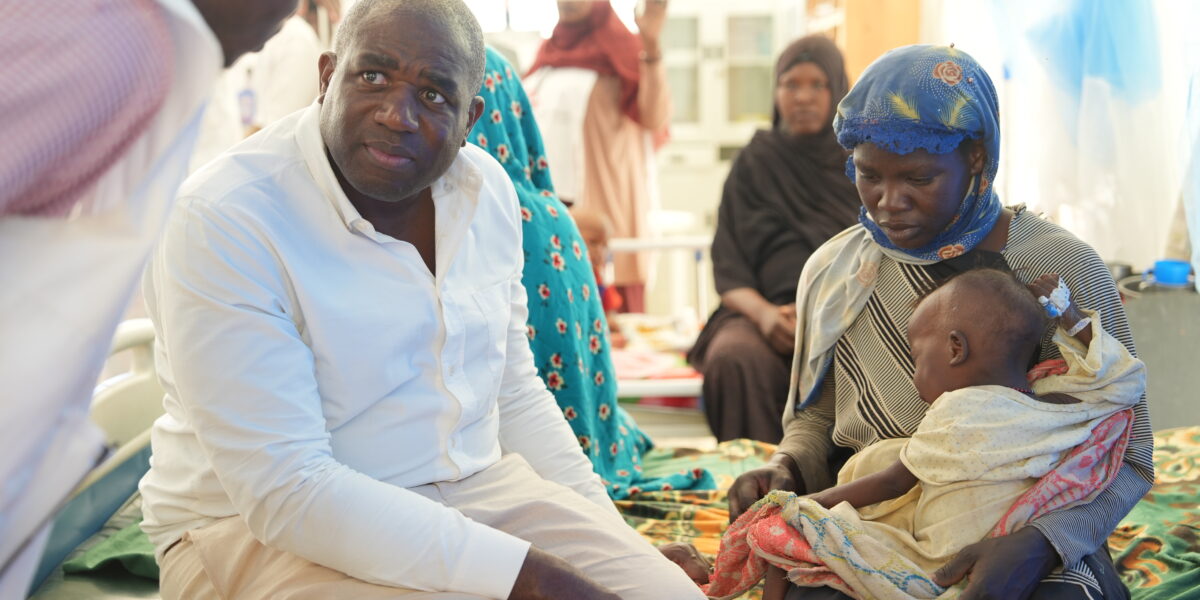
The timing of the RSF attack on Kordofan civilians adds a layer of cruelty: it coincided with a United Nations-backed report revealing that more than 40 percent of Sudan’s population—nearly 19.5 million people—faces acute hunger. The war has crippled agriculture, disrupted supply chains, and forced millions from their homes. When militias burn villages and execute the elderly, they are not just ending lives; they are destroying the social fabric that keeps communities alive. Displaced families lose their land, their harvests, and any hope of feeding themselves. The Sudan Doctors Network explicitly warned that continued assaults will worsen the humanitarian catastrophe, pushing more families into displacement, poverty, and starvation.
The International Community’s Test of Conscience
Beyond the immediate horror, there is a deeper accountability gap. While the RSF has faced accusations of ethnic cleansing, mass rape, and indiscriminate shelling—documented by the United Nations and human rights organizations—concrete action has been slow. The Sudan Doctors Network is urging the world to urgently pressure RSF leaders to end what they call violations against civilians. But without a unified international response, including arms embargoes and targeted sanctions, the cycle of impunity continues. The Kordofan massacre is not an isolated incident; it is a symptom of a conflict that has become one of the worst humanitarian disasters of the 21st century, yet remains underreported and underfunded. For more on regional conflicts, see Gaza Ceasefire Crumbles as Israel Expands Territorial Control.
Original Insight: The Weaponization of Holy Days
What is rarely discussed is the strategic use of religious holidays by armed groups in Sudan. By attacking on Eid al-Adha—a festival of sacrifice and charity—the RSF-affiliated fighters are sending a calculated message: no day is sacred, no place is safe. This psychological warfare aims to break communal trust and accelerate displacement. Across the Sahel and the Horn of Africa, we have seen similar patterns where militias target civilians during harvest seasons, market days, or religious observances to maximize destruction and demoralization. In North Kordofan, the killers did not just murder 27 people; they robbed an entire community of the last shred of normalcy. Relief agencies now warn that if the fighting persists, the hunger crisis will deepen, and massacres like this will become routine—not news, but a background hum of suffering.
What Comes Next for Sudan’s Forgotten War
The war shows no sign of abating. The Sudanese army and the RSF remain locked in a stalemate, with each side gaining and losing ground in a painful, grinding conflict. For ordinary Sudanese, the only certainty is more violence and more hunger. The international community must decide whether to intervene decisively or allow this massacre to be followed by dozens more. As the Sudan Doctors Network put it: these repeated attacks on residential areas must stop, and the perpetrators must face justice. Until then, Al-Murrah will be just another name on a long list of places where humanity lost. For more on the broader crisis, see In Gaza, a Ceasefire Dream Fades as Targeted Strikes Hit Homes and Families. Learn more about the conflict from Human Rights Watch and UN OCHA.