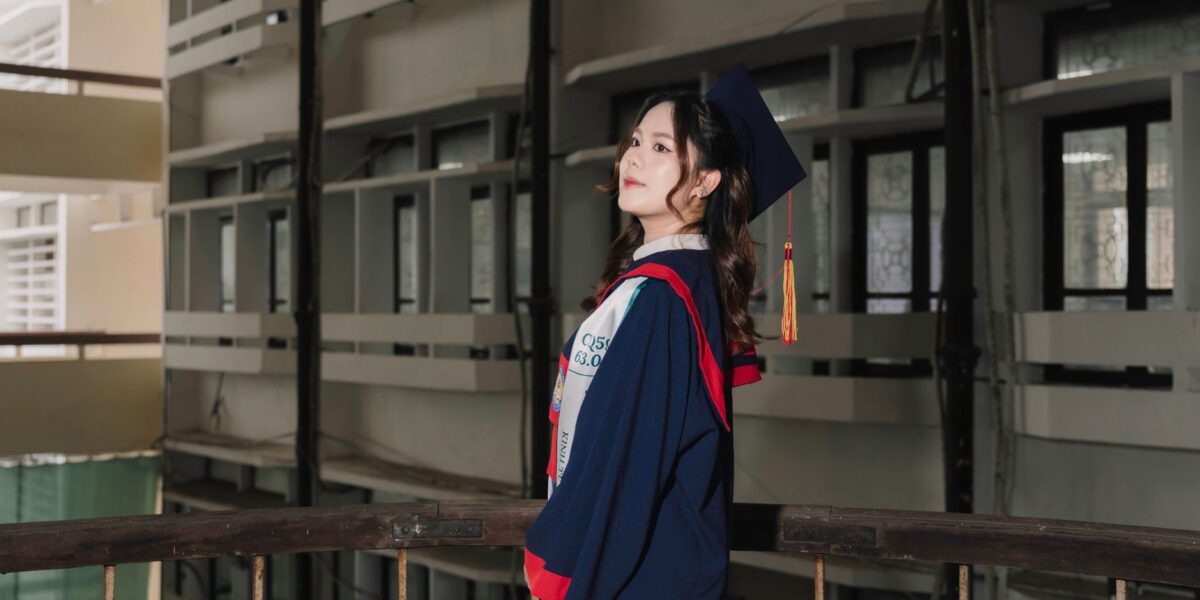
When the Cap and Gown Became a Platform
Commencement season is usually a time for platitudes—about seizing the future, overcoming obstacles, and the power of dreams. But at Harvard Medical School’s 2025 graduation, one graduate turned the script inside out. Leen Ezzeddine, a newly minted doctor, used her moment at the podium not to thank her parents or muse on the Hippocratic Oath, but to force a packed auditorium to confront a question the institution had been trying to sidestep: what does health equity mean when bombs are falling? This Harvard graduation speech Gaza became a defining moment of defiance.
Ezzeddine dedicated her speech to the people of Lebanon and Palestine. It was a pointed act of defiance against what she called the “urgent calls for silence” that had swept through the university since the war on Gaza erupted. Her words, which have since ricocheted across social media, laid bare a contradiction at the heart of elite academia. Here was a medical school that teaches its students to champion health equity for all—yet, in her telling, had asked them to look away from a humanitarian catastrophe unfolding in real time.
The Anatomy of a Contradiction in the Harvard Graduation Speech Gaza
The cognitive dissonance is hard to ignore. On one side of the ledger, Harvard Medical School produces research on social determinants of health, runs clinics for underserved communities, and drills into every student that racism, poverty, and war are public health crises. On the other side, as Ezzeddine argued, there was institutional pressure to stay neutral while a military campaign devastated hospitals, schools, and entire neighborhoods in Gaza and southern Lebanon.
Ezzeddine’s critique wasn’t just political; it was clinical. She pointed out that you cannot separate medicine from the contexts in which people live—or die. When infrastructure is destroyed, when clean water becomes scarce, when trauma becomes routine, those are not just geopolitical problems. They are textbook public health emergencies. For a student of health equity, staying silent is a betrayal of the very principles the degree is supposed to represent.
- The patient in the war zone: Physicians Without Borders reports that over 60% of hospitals in northern Gaza have been forced to close or are operating at minimal capacity.
- The doctor in training: Many international medical students, including those from Lebanon and Palestine, have watched their families and communities come under fire while sitting in lecture halls.
- The university’s stance: Harvard’s official statements have walked a tightrope, condemning antisemitism and Islamophobia equally, while avoiding direct criticism of the military campaign itself.
Why One Speech Resonates Beyond the Ivy Wall
What makes Ezzeddine’s speech a touchstone is not its novelty—student activists have been speaking out for months—but its timing and platform. Commencement is often a sanitized ritual; by threading her cause through the ceremony, she ensured that thousands of families, faculty, and trustees had to listen. The moment also highlights a generational rift. Older faculty and administrators lean toward cautious institutional statements, while the student body—more diverse and more connected to global crises via social media—demands a sharper moral clarity.
This is not just about one university. Across the United States, from Columbia to UCLA, graduation stages have become contested spaces over the war in Gaza. Students are using the ritual of cap-and-gown to ask a simple question: if our education is about making the world better, why are we not allowed to name what is making it worse? Ezzeddine’s speech is significant because it frames the issue not as political advocacy, but as a logical extension of the medical profession’s core values. You cannot teach a student to care for the sick and then tell them to ignore the forces that create mass sickness.
The Broader Context of Health Equity
Let’s step back for a moment. The term health equity has become a buzzword in medical education. Every dean gives a speech about closing disparities in diabetes rates or maternal mortality. But those statistics are tied to structural violence—poverty, racism, inadequate housing. War is the most extreme form of that violence. If the curriculum allows students to discuss the impacts of systemic racism on Black Americans but shies away from discussing an active military campaign that has killed thousands of civilians, the lesson is clear: some lives are more teachable than others.
Ezzeddine, who was born in Lebanon and has family ties to Palestine, brought a personal dimension that made the abstraction concrete. She spoke of relatives who could not access clean water, of neighbors who had fled their homes. In doing so, she embodied the very empathy that medical schools claim to cultivate. The irony was not lost on observers: the student was practicing holistic medicine in her speech, even if the institution was not ready to prescribe it.
What Comes Next for Harvard and Beyond
The university has not officially sanctioned Ezzeddine; free speech protections for student speakers are robust, especially at a commencement where each graduate is given a brief window. But the reception has been mixed. Some alumni have demanded that Harvard distance itself from her remarks. Others, including a group of 200 faculty members, published an open letter supporting her right to speak and criticizing the administration’s “chilling effect” on open discourse.
For the rest of us, the takeaway is less about one speech and more about the institution’s role in a polarized world. When a medical school cannot countenance a graduate using her own voice to speak about a public health catastrophe, the question must be asked: who is being protected? The brand? The donors? The students who are trying to learn how to heal a broken world? For more on the broader context, see In Gaza, a Ceasefire Dream Fades as Targeted Strikes Hit Homes and Families and Gaza’s shrinking horizon: Israel’s territorial grab and the fragile ceasefire that wasn’t.
Leen Ezzeddine has already graduated. She is now a doctor. No one can take that away from her. But the memory of her words—delivered from a stage draped in crimson and under a sky full of families cheering for their loved ones—will linger far longer than any single ceremony. They are a reminder that sometimes the most important prescription a doctor can write is not for a pill, but for the truth. For more on the impact of the conflict on health, see WHO’s response in Gaza and Doctors Without Borders in Gaza.