Over the past 24 hours, a quiet but forceful diplomatic storm has rippled through European capitals, marking a significant European backlash Russia’s intimidation tactics. Germany, the Netherlands, Norway, and the European Union have each summoned Russian envoys, delivering a stern message: intimidation tactics against foreign diplomats and civilians in Kyiv will not be tolerated. This collective response follows a warning from Moscow that urged all foreign nationals—including ambassadors and aid workers—to evacuate the Ukrainian capital, hinting at a new wave of aerial bombardments.
On Tuesday, an EU spokesperson described Russia’s threat as an “unacceptable escalation.” The bloc’s charge d’affaires was summoned and publicly urged Moscow to halt its attacks on civilians and commit to a full ceasefire. But behind this formal language lies a deeper reckoning: the war is entering a phase where both sides are testing the limits of diplomatic immunity and international norms.
European backlash Russia: A warning that cuts through diplomatic convention
What makes Russia’s statement on Monday stand out is not just its bluntness, but its deliberate ambiguity. The Russian Foreign Ministry announced that its military would begin “systematic strikes” on what it called “decision-making centres and command posts” in Kyiv. Then came the directive: foreign citizens, including diplomatic staff, should leave immediately.
This is not a typical wartime courtesy. It is a message designed to create panic, disrupt normal embassy operations, and isolate the Ukrainian government from its international backers. By forcing diplomats to choose between staying and risking harm or leaving and ceding ground, Moscow is attempting to weaken Ukraine’s image of a capital that functions under fire.
Critics argue that the warning also serves a strategic purpose: it gives Russia cover to escalate strikes without being accused of catching civilians off guard. But that logic falls apart when you consider that many Ukrainian citizens—who have no means or desire to flee—remain in the city.
European resolve hardens in the face of threats
Germany’s Foreign Office responded swiftly, stating on X that Moscow resorts to “threats, terror and escalation.” The German ambassador was summoned, and the ministry made clear that Berlin would not be intimidated. Norway and the Netherlands followed suit, each calling in their respective Russian ambassadors to lodge formal protests.
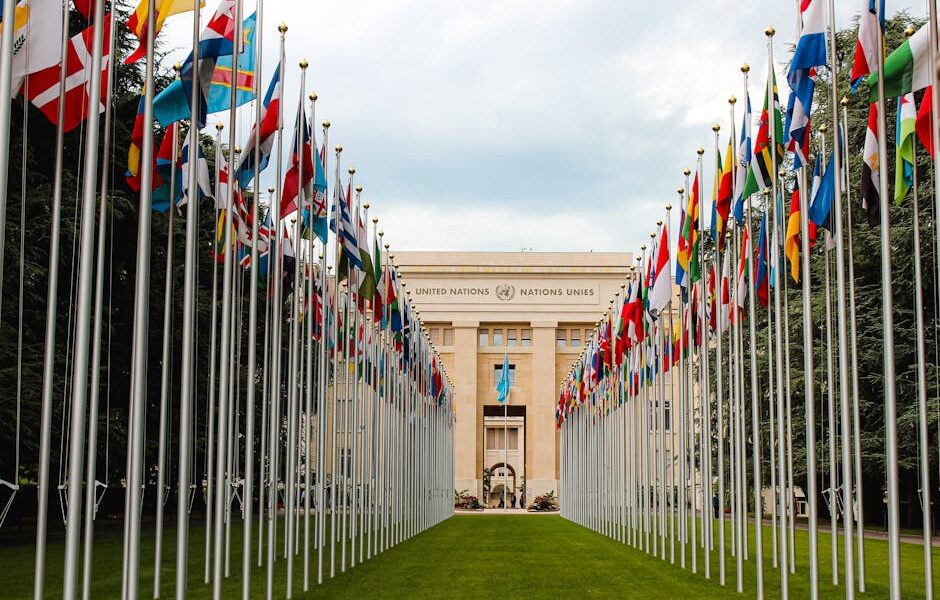
This coordinated action signals something important: European nations are no longer content to issue press releases. They are using a centuries-old diplomatic tool—the summoning of envoys—to deliver a modern message of defiance. It is a reminder that, even as fighting rages on the ground, the diplomatic front remains active and consequential.
The military context behind the ultimatum
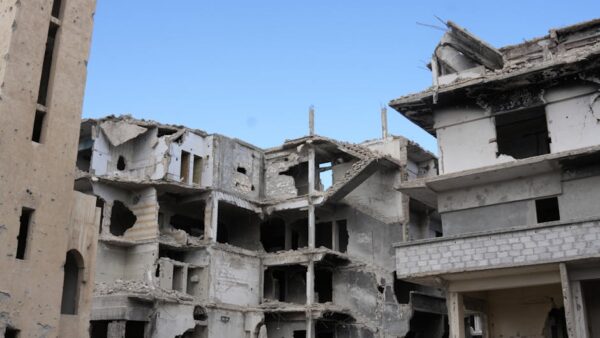
Russia’s threat did not emerge from a vacuum. Over the weekend, Moscow launched a barrage of drones and missiles that killed four people in Kyiv. Among the weapons used was the Oreshknik hypersonic missile, which can travel ten times the speed of sound. This marks a troubling escalation in the types of armaments being deployed against the capital.
The warning also came in direct response to a Ukrainian strike on a vocational school in Russian-occupied Luhansk last week, which Moscow says killed 21 people. President Vladimir Putin has ordered his military to prepare retaliatory options, and the current directive appears to be the first tangible result of that order.
Yet there is a troubling asymmetry here. While both sides have committed strikes that kill civilians, Russia’s ability to threaten an entire capital’s diplomatic corps—and to follow through with hypersonic weapons—gives it a unique coercive lever that Ukraine lacks.
Historic echoes and a fragile ceasefire
Earlier this month, Russia and Ukraine agreed to a three-day ceasefire to mark Moscow’s World War II victory celebrations. It lasted barely longer than the commemorations themselves. Both sides accused each other of violations, and fighting resumed with renewed intensity. This pattern—brief pauses followed by escalated violence—has become the grim rhythm of the war.
The current standoff also recalls Cold War-era incidents when superpowers expelled diplomats or issued veiled threats to signal displeasure. But the stakes are higher now: the target is not a rival embassy in Berlin or Washington, but a capital that has become a symbol of Ukrainian resilience.
An original insight: the quiet erosion of diplomatic sanctuary
Beyond the immediate crisis, this moment marks a dangerous precedent. For decades, diplomats have operated under the assumption that their host country bears responsibility for their safety. By openly threatening to strike areas where foreign embassies are located, Russia is effectively weaponizing the possibility of collateral harm. Even if no embassy is directly hit, the psychological effect is profound: envoys must now factor in the risk of being in Kyiv as part of their daily calculus.
This could have long-term consequences for how international organizations operate in conflict zones. If embassies begin to relocate staff or reduce their footprint in Kyiv, Ukraine could lose not only symbolic support but also critical channels for aid, intelligence, and mediation. Russia may be betting that a less-embedded diplomatic presence will weaken Ukraine’s ability to coordinate with its allies.
Meanwhile, US Secretary of State Marco Rubio reiterated on Tuesday that Washington remains ready to mediate between the two sides. But with talks stalled and trust at a low, any mediation effort will face the added challenge of a diplomatic corps that now operates under the shadow of a deliberate threat.
What comes next
European governments have drawn a line. Whether Russia respects it—or whether the threat of further strikes forces a de facto relocation of diplomatic personnel—remains to be seen. What is clear is that both the language and the tactics of this war are evolving. The battlefield now includes not just soldiers and civilians, but the very institutions that represent the international community’s presence in Ukraine.
For now, the envoys have been summoned. The message has been delivered. But behind closed doors, the question on everyone’s mind is the same: how far will Moscow go to make good on its warning?
For more on diplomatic tensions, read Europe’s Diplomatic Tightrope: Can the EU Broker Peace Without Empowering Moscow? and Diplomatic Disputes over Visas Are Undermining the UN’s Founding Promise. For external context, see BBC’s coverage of Russia-Ukraine war and Reuters Europe news.