A routine trip to the ATM turned into a scene of panic and confusion at one of Tokyo’s most upscale shopping destinations on Monday, after a suspected pepper spray attack Tokyo sent at least 19 people to the hospital.
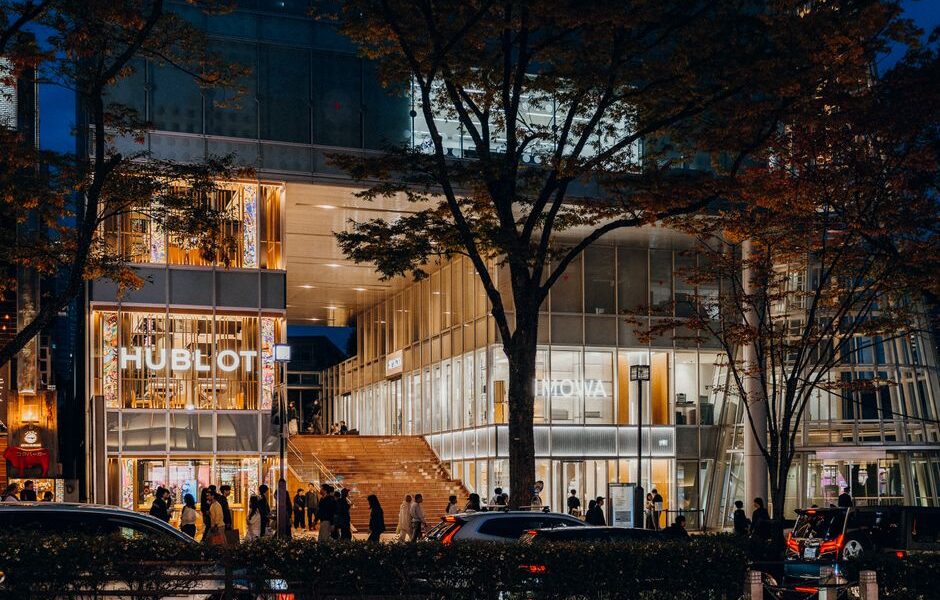
The incident occurred at the Ginza 6 complex, a gleaming temple of high-end retail in the heart of Tokyo’s luxury district. According to police, a man sprayed an irritant substance — believed to contain capsaicin, the active component in chili peppers — near a cash machine on the ground floor. The suspect then fled the scene and remains at large, national broadcaster NHK reported.
How the Pepper Spray Attack Tokyo Unfolded
Shoppers and staff described a sudden, inexplicable burning sensation in their throats and eyes. One 70-year-old woman told AFP that her throat began to ‘sting and hurt’ as she approached the ATM area. ‘By the time I arrived, the commotion had already started, and I thought there might have been a small fire or something,’ she said. ‘Once I went into the ATM corner, my throat felt scratchy, almost numb.’
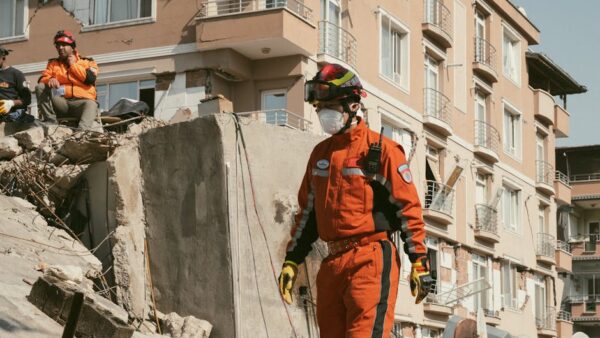
The mall was quickly evacuated. Emergency responders in hazmat suits could be seen escorting people out, while police cordoned off the street in front of the building. Tarps were hung around parts of the mall to contain any residual fumes.
Why Capsaicin Sprays Are So Disruptive
Capsaicin-based sprays — often sold as pepper spray for self-defense — cause immediate inflammation of mucous membranes. Even a small amount dispersed in an enclosed space can trigger coughing, temporary blindness, and panic. In this case, the substance was sprayed at a ground-floor ATM, allowing fumes to drift through the lower levels of the mall.
Authorities have not yet released a motive. The Ginza district is known for its high security and heavy foot traffic, which makes this kind of pepper spray attack Tokyo both rare and alarming for local residents and tourists alike.
Broader Context: A Pattern of Disruption
While this appears to be an isolated incident, Japan has seen a number of public nuisance cases involving irritant sprays in recent years. In 2021, a man used a similar substance in a Tokyo subway car, causing a rush-hour evacuation. Experts suggest that these attacks may be copycat acts or expressions of personal grievance rather than organized terror.
Dr. Yuki Tanaka, a security analyst at the University of Tokyo, notes that ‘the availability of pepper spray over the counter makes it a weapon of convenience for those seeking to cause disruption without lethal intent. But the psychological impact — especially in a crowded retail setting — can be severe.’
For mall operators, the incident raises questions about security protocols at ATM areas, which are often left unmonitored. Ginza 6 has since increased patrols and installed temporary barriers around its financial services corners.
What Victims Are Saying
Most of those hospitalized were treated for minor respiratory irritation and released. No life-threatening injuries have been reported. Still, victims describe the ordeal as terrifying. ‘I couldn’t breathe for a few seconds — it felt like someone had shoved ground chili powder up my nose,’ one shopper, who wished to remain anonymous, told local media.
The Tokyo Metropolitan Police have urged anyone with information about the suspect to come forward. They describe him as a man in his 30s or 40s, wearing a dark jacket, last seen leaving the mall on foot.
In the meantime, Ginza 6 has reopened after a thorough ventilation and cleaning. But for those who were caught in the haze, the memory of that burning, itching panic will linger long after the smell has cleared.
For more on public safety incidents in Japan, read about a Belgian level crossing tragedy and a deadly collapse in South Korea.
Learn more about pepper spray safety from the CDC’s National Institute for Occupational Safety and Health and World Health Organization.