The world’s most critical oil chokepoint is once again a flashpoint, as Strait of Hormuz tensions escalate. On Wednesday, the US military conducted fresh strikes near Bandar Abbas, a key Iranian port city on the Strait of Hormuz, marking the second such attack in just three days. While US Central Command described the action as “measured, purely defensive”, the escalation raises a stark question: how long can a ceasefire teetering on the brink survive?
Strait of Hormuz Tensions: A Defensive Strike or a Provocation?
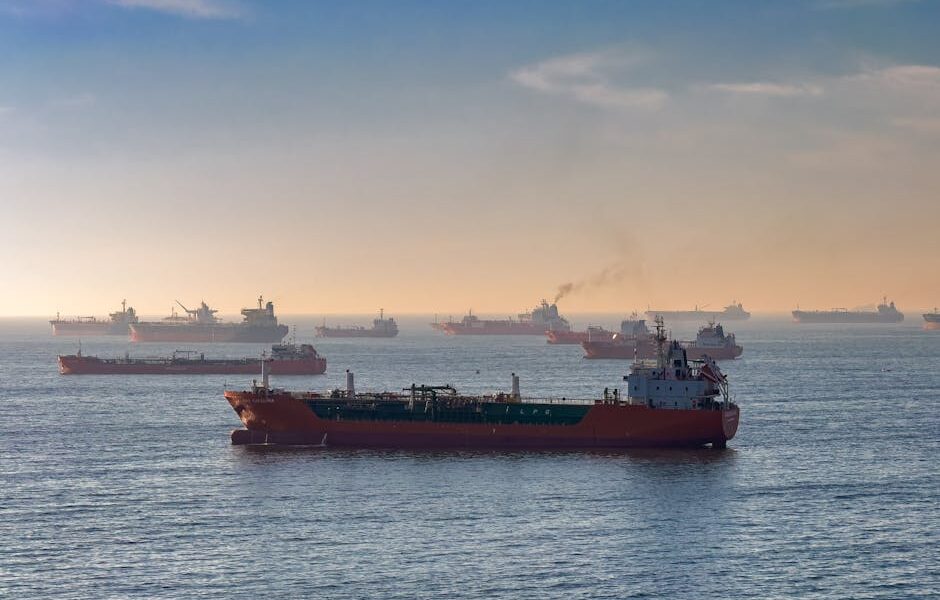
According to US Central Command, the target was a military site in Bandar Abbas that was preparing to launch a drone. US forces also intercepted four Iranian attack drones that were deemed a threat to shipping lanes. Iranian media reported explosions east of the city, though details remain murky. The strikes follow a Monday attack on Iranian missile sites and boats suspected of laying mines in the strait — a waterway where thousands of commercial tankers remain stranded due to the ongoing conflict.
The timing is particularly delicate. The ceasefire between the US and Iran, brokered after months of war that began on February 28, is fragile at best. Negotiations to end the three-month conflict have been protracted, and global energy prices have spiked as shipping through the Strait of Hormuz has been choked. President Donald Trump struck an optimistic note just days ago, saying a peace deal was “largely negotiated.” But by Wednesday, his tone had shifted dramatically.
Trump’s Mixed Signals
At a cabinet meeting on Wednesday, Trump told reporters that Iran is “negotiating on fumes” and that the US is “not satisfied” with the current state of talks. He warned that Washington is willing to resume large-scale bombing if no agreement is reached. “Maybe we have to go back and finish it, maybe we don’t,” he said, leaving the door open to both diplomacy and escalation.
Meanwhile, Iran condemned the latest strikes as “a grave violation of the ceasefire” and vowed to respond. The Islamic Revolutionary Guard Corps claimed to have downed a US drone and fired at a fighter jet that entered Iranian airspace, though they did not specify when these incidents occurred. On the diplomatic front, Iranian state TV reported details of a draft agreement that would include reopening the Strait of Hormuz and a US withdrawal. The White House quickly dismissed that as a “complete fabrication.”
What’s at Stake for the Rest of Us
This isn’t just a story about two adversaries trading blows. For anyone who fills up a gas tank or relies on global supply chains, the Strait of Hormuz is where economic anxiety meets geopolitical reality. About 20% of the world’s oil passes through this narrow waterway. Even the threat of disruption sends shockwaves through energy markets.
Yet what’s often lost in the headlines is the human cost. The war has already displaced thousands in the region, and the Iranian people — who have endured years of sanctions and internet blackouts — are caught in the middle. Trump’s claim that Iranians want a deal “because they have no choice” reflects a broader strategy of maximum pressure, but it also risks pushing Tehran into a corner where military escalation looks like the only option.
An Unraveling Ceasefire?
The irony is that both sides claim to want peace. Trump has urged Gulf nations to join the Abraham Accords with Israel, while Iran insists it wants the war to end. But trust is in short supply. Each new strike erodes the credibility of the ceasefire, and each retaliatory threat makes a negotiated settlement harder to achieve.
For now, the Strait of Hormuz tensions remain a tense standoff. Tankers wait. Markets watch. And the world holds its breath, wondering whether this latest exchange is a final warning — or the opening salvo of a wider conflict. For more on regional dynamics, see our analysis of Strait of Hormuz: US-Iran tit-for-tat attacks threaten fragile calm. On the broader implications, read about Global Tensions Are Stress-Testing the System Designed to Prevent World War III. For authoritative background on the strategic importance of the Strait of Hormuz, see U.S. Energy Information Administration analysis. For the latest on US-Iran diplomacy, visit International Crisis Group.