The waters of the Strait of Hormuz tensions, a narrow chokepoint for nearly a fifth of the world’s oil supply, are once again simmering after the United States launched what it called ‘self-defense strikes’ against Iranian missile sites and mine-laying boats near the strategic waterway. Iran has swiftly condemned the action as a ‘gross violation’ of the fragile ceasefire that has held, with only a few interruptions, since early April.
For everyday consumers thousands of miles away, this is not just another geopolitical flashpoint. Any disruption in the Strait of Hormuz tensions sends shockwaves through global energy markets, translating directly into higher prices at the pump and increased costs for everything from groceries to air travel. The conflict, which began on February 28 with a coordinated US-Israeli campaign that killed Iran’s supreme leader, has already reshaped the region’s security landscape. The current ceasefire, while largely observed, has always felt like a temporary pause rather than a lasting peace.
Strait of Hormuz Tensions: A New Flashpoint Near Bandar Abbas
The US Central Command (Centcom) confirmed the strikes targeted positions near the southern port city of Bandar Abbas, home to a key Iranian naval base that overlooks the strait. In a statement, Centcom framed the operation as purely defensive, aimed at protecting US troops from what it described as imminent threats from Iranian forces. Local Iranian media had earlier reported that residents heard explosions in the area, and the Islamic Revolutionary Guard Corps (IRGC) later claimed to have downed a US drone and fired on a fighter jet that had allegedly violated Iranian airspace.
The timing could not be more precarious. Just as negotiators in Qatar and Pakistan were inching toward a potential extension of the truce, this military action threatens to unravel weeks of painstaking diplomacy. Iran’s foreign ministry issued a sharp rebuke, accusing the United States of ‘aggressive and unjustified actions’ in the Hormozgan region and warning that Tehran ‘will not leave any evil unanswered.’
The Unseen Cost of a Blockaded Waterway
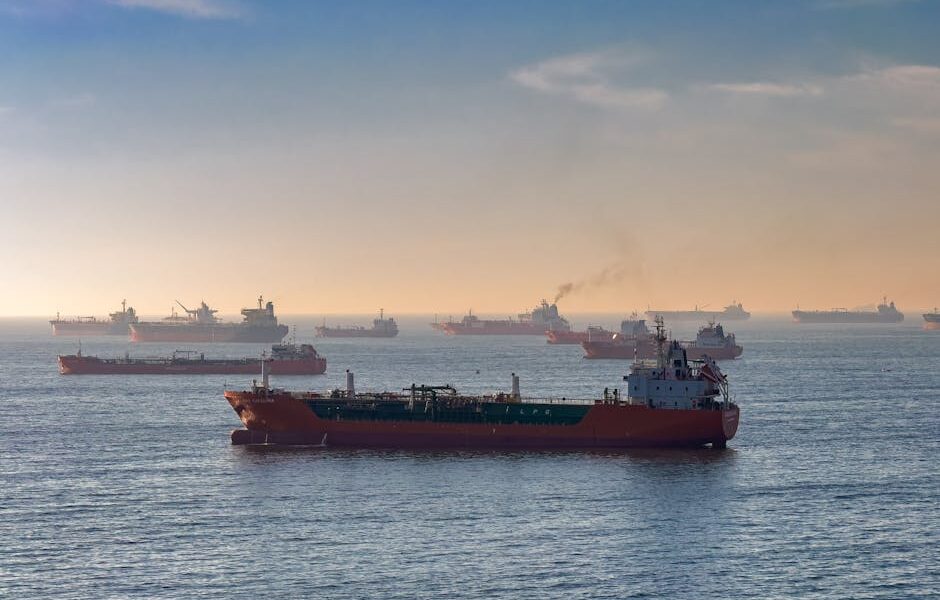
Beyond the immediate military posturing, the real story lies in the economic and human toll of the ongoing standoff. Since the conflict erupted, Iran has effectively blocked the Strait of Hormuz, a move that has sent global oil prices spiking and disrupted supply chains worldwide. This is not a new tactic; Iran has threatened to close the strait in previous standoffs, but this time it followed through. For the millions of people who rely on affordable energy to heat their homes, fuel their cars, and power their industries, the blockade is a quiet crisis that doesn’t always make headlines.
What the official statements often miss is the human cost of this strategic chess game. Sailors, fishermen, and cargo crews who navigate these waters live in constant fear. One recent survivor of a missile strike described the horror of losing a friend in the strait, their body never recovered. These are the stories that get lost in the back-and-forth of ‘self-defense strikes’ and ‘gross violations.’
Negotiations Hanging by a Thread
Peace talks, primarily mediated by Pakistan with additional diplomacy from Qatar, are currently focused on three key issues: a 60-day ceasefire extension, the reopening of the Strait of Hormuz, and a framework for future negotiations over Iran’s nuclear program. According to US media, a draft memorandum of understanding exists, but it is far from a final settlement. One of the most stubborn sticking points is Iran’s demand for the release of frozen assets held abroad, which Tehran sees as essential for its struggling economy.
US Secretary of State Marco Rubio has said a deal is still possible but would ‘take a few days,’ while President Donald Trump sent mixed signals over the weekend—first suggesting a deal was close, then cautioning negotiators ‘not to rush.’ Iran, for its part, acknowledged that some progress has been made but insisted that a final agreement ‘is not imminent.’
For more on how regional conflicts affect global stability, see our analysis of Iran’s Fragile Ceasefire Hangs by a Thread.
A Deeper Problem Beneath the Surface
What many analysts overlook is that the current ceasefire was never designed to be a permanent solution. It was a tactical pause to prevent an all-out regional war, but it left the underlying conflicts unresolved. The US and its allies accuse Iran of enriching uranium for nuclear weapons—a charge Tehran denies, insisting its program is peaceful. Meanwhile, Iran’s support for proxy groups across the Middle East remains a point of deep contention. This latest strike near Bandar Abbas suggests that neither side is fully committed to the diplomatic track. Each act of ‘self-defense’ risks being interpreted by the other as an act of escalation, creating a cycle of retaliation that undermines the very talks meant to end it.
For the average person watching from afar, the message is sobering: as long as the Strait of Hormuz tensions remain a hostage to geopolitical brinkmanship, the global economy will continue to pay the price—and the families of those who sail those waters will keep counting their losses.
Learn more about the broader implications of such standoffs from authoritative sources like the U.S. Energy Information Administration and the Council on Foreign Relations.