From water scarcity to supercharged storms, the region faces a new normal
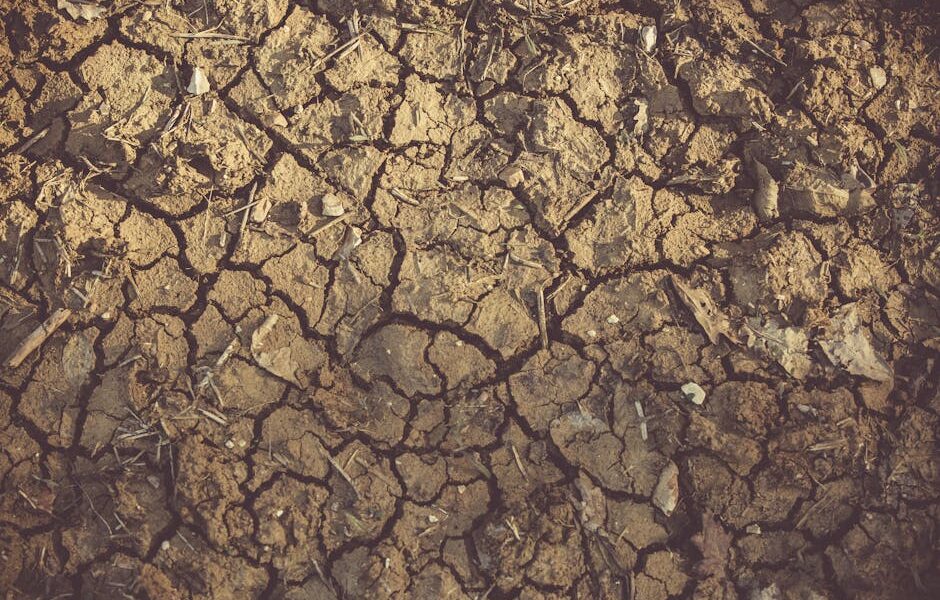
It used to be that Latin America’s biggest weather story was a single hurricane season or a passing drought. Now, the region is confronting all three extremes at once — record-smashing heat, devastating floods, and unrelenting dryness — and they’re hitting millions of people in ways that ripple through economies, food systems, and migration patterns. A fresh analysis from the World Meteorological Organization (WMO) pulls together the stark numbers: these overlapping crises are no longer outliers; they’re becoming the baseline.
The report points to a cascade of consequences: disrupted crop cycles, depleted reservoirs, and communities on the move. What makes this moment different, experts say, is not just the severity of any single event, but the way these hazards compound one another. A drought weakens soil, making floods more destructive when rains finally come. Heat waves stress power grids, leaving people without cooling during the hottest hours.
Everyday life under a hotter, wetter, drier sky
For a farmer in Guatemala, the challenge isn’t abstract. The dry corridor that stretches through Central America now experiences longer dry spells and shorter, more violent rainy seasons. The result: failed bean and maize harvests, followed by landslides when the ground can’t absorb the sudden deluge. Similar stories play out from the Andean highlands to the Brazilian Cerrado. The WMO notes that the number of people facing food insecurity in the region has climbed steeply, partly because of these linked weather shocks.
Urban residents aren’t spared. In cities from Buenos Aires to Bogotá, water rationing has become a periodic fact of life as reservoirs fail to refill. Meanwhile, heat islands — urban zones that trap warmth overnight — push nighttime temperatures higher, straining public health systems already stretched by dengue and other climate-sensitive diseases.
Hurricanes get a second wind
One of the more unsettling findings in the report involves tropical cyclones. Warmer ocean waters are making storms stronger and more likely to undergo rapid intensification — jumping from a Category 1 to a Category 4 in under a day. This gives coastal communities less time to prepare. The 2023 hurricane season in the Caribbean and the eastern Pacific shattered records for early-season activity, and the WMO sees this trend continuing.
Yet while headlines focus on the big storms, a quieter emergency is unfolding in the region’s glaciers. Tropical glaciers in the Andes have lost an average of 30 percent of their surface area over the last two decades. These ice fields act as natural water towers for cities like La Paz and Quito. Their retreat means less meltwater in the dry season — a direct threat to drinking supplies and hydropower.
An overlooked angle: the role of infrastructure
Much of the public discussion around these events focuses on greenhouse gas emissions, which is right and necessary. But there’s a second layer that deserves equal attention: the age and design of the region’s physical infrastructure. Many Latin American countries built their dams, drainage systems, and power grids in the mid-20th century, under climate assumptions that no longer hold. A 50-year storm now arrives every 15 years. A 100-year flood happens twice in a decade.
This is not a problem that can be solved solely by reducing emissions; it demands a parallel investment in retrofitting roads, reinforcing levees, and redesigning water storage. The WMO report hints at this need when it calls for better early warning systems and climate services. But early warnings only help if people have somewhere safe to go and a way to get there — and too many communities still lack that bedrock.
What happens next depends on choices made today
The region is not starting from zero. Several countries have invested in drought-resistant crop varieties, expanded social protection programs, and built community-based disaster response networks. But the scale of the challenge is growing faster than the response. The WMO’s data makes clear that without accelerated adaptation, millions more will face recurrent displacement and economic loss.
The bottom line: Latin America and the Caribbean are becoming a proving ground for how societies can live with multiple, overlapping climate shocks. The rest of the world is watching — and learning. Whether those lessons lead to action, or simply more reports, will be the difference between managing this crisis and being overwhelmed by it.