In a country where electricity blackouts are a daily ordeal, the news of a former minister sentenced to 75 years in prison might feel like poetic justice for millions of Nigerians. But the arrest of Saleh Mamman, who was caught hiding in Kaduna state early Tuesday after a weeks-long manhunt, tells a more complicated story—one that goes beyond one man and reaches into the very failures of Nigeria’s power sector.
The Arrest That Almost Didn’t Happen
Mamman, who served as the Minister of Power under former President Muhammadu Buhari from 2019 to 2021, was convicted earlier this month in absentia. The court found him guilty on 12 counts of diverting at least 22 billion naira (about $14 million) meant for two major hydroelectric projects. After failing to show up for sentencing, he vanished, prompting the Economic and Financial Crimes Commission (EFCC) to track him down with what the agency called extensive intelligence and surveillance.
EFCC Chairman Ola Olukoyede made clear that ensuring Mamman actually serves his time is a top priority. “For us, getting the convict to serve his jail terms is extremely important in view of the seriousness with which we are tackling corrupt practices,” he said. But for many observers, the question isn’t just whether Mamman will rot in jail—it’s whether this will actually change the system that allowed him to steal from critical public works in the first place.
Power Projects Robbed, Citizens Left in the Dark
The case centers on funds earmarked for two hydroelectric power projects—exactly the kind of infrastructure that could help alleviate Nigeria’s chronic energy crisis. The judge described Mamman’s actions as a “gross abuse of public trust,” noting that the former minister used proxy companies and associates to siphon the money. While Mamman is now staring at a 75-year sentence (with multiple consecutive terms), the projects he sabotaged remain incomplete or underfunded.
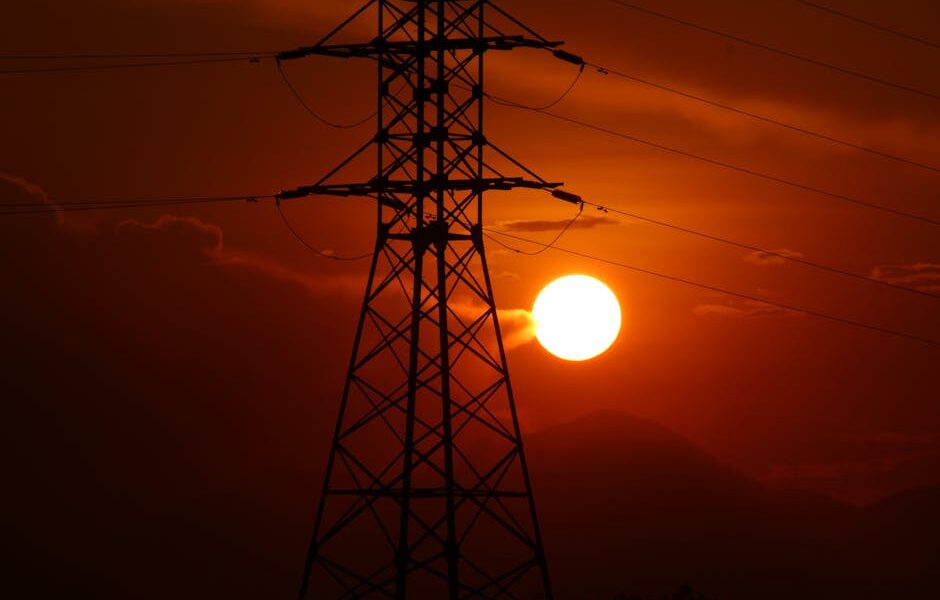
Nigeria is one of Africa’s largest energy producers, yet its citizens rank among the continent’s most electricity-starved. In recent years, widespread blackouts have become so routine that many families and small businesses rely on noisy, expensive fuel generators. With fuel prices soaring, that backup option is becoming unaffordable for a growing number of people. Mamman, during his tenure, promised to improve power supply—a pledge that now rings hollow in light of the evidence.
Original Insight: The Real Cost of High-Level Corruption
While a 75-year sentence sounds severe, cases like Mamman’s expose a deeper dysfunction in Nigeria’s anti-corruption framework. It is rare for a former minister to be convicted, let alone with such a heavy sentence, but the message loses some of its bite when the funds are not recovered and the infrastructure projects remain stalled. The pattern is familiar: politicians are arrested and convicted, yet the underlying culture of impunity in the public procurement system persists, and the stolen money rarely makes it back to the projects it was meant to fund. Without systemic reforms—such as stricter oversight of government contracts, protected whistleblower channels, and mandatory asset declarations for public officials—each high-profile conviction risks becoming a spectacle rather than a deterrent.
Moreover, Mamman still faces a separate corruption trial in Abuja over allegations of fraud involving 31 billion naira. That case also saw a judge issue an arrest warrant after he failed to appear in court. Even as he begins his 75-year sentence, the legal saga is far from over, and the public is left wondering whether this is a turning point or just another dramatic episode in a long-running tragedy.
What Comes Next for the Power Sector?
Mamman’s conviction and arrest have sparked renewed outrage over Nigeria’s lingering electricity problems. Social media is flooded with comparisons between the billions stolen and the daily struggles of ordinary citizens who can’t get a steady power supply. But whether this case will lead to concrete improvements in the electricity grid—or simply be used as a political talking point—remains to be seen.
For now, the EFCC has scored a rare victory in a high-profile case. But for the millions who still live with six weeks of no power, as a recent BBC feature detailed, the real test will be whether this arrest leads to a broader crackdown on corruption in the energy sector—or whether it ends up being just another headline in a country all too used to them.