The Democratic Republic of Congo’s national football team faces an unprecedented challenge ahead of this summer’s World Cup: a mandatory 21-day isolation in Belgium before they can even set foot in the United States. This extraordinary measure, imposed by U.S. health authorities due to the ongoing Ebola outbreak in parts of Central Africa, has upended the team’s preparation schedule and thrown a spotlight on the intersection of global health policy and international sport.
A Bubble Far From Home
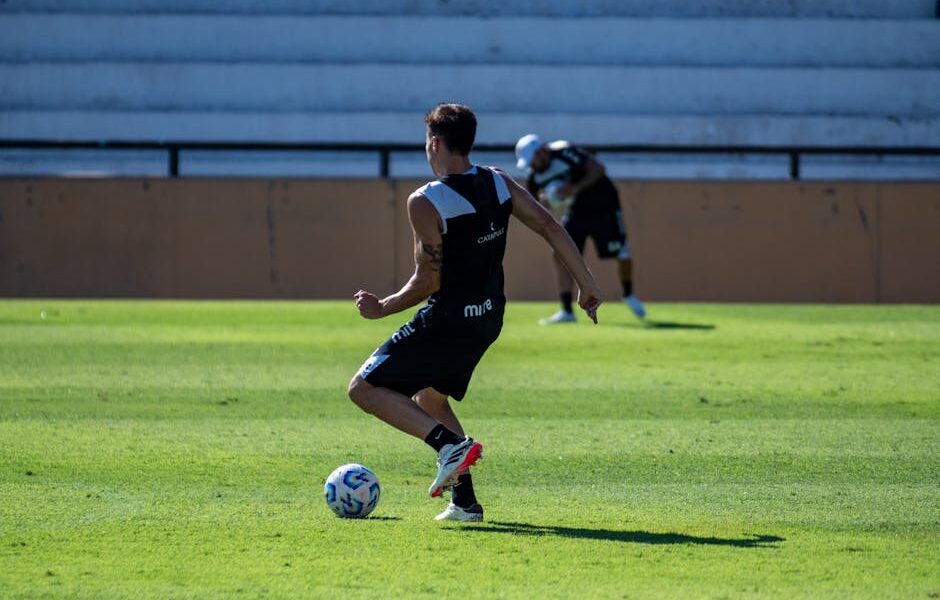
The squad, currently training in Belgium after their planned camp in Kinshasa was scrapped, must remain in what White House official Andrew Giuliani calls a strict “bubble.” Giuliani, who leads the White House Task Force for the World Cup, warned that any breach of isolation rules could jeopardize the team’s ability to travel to the U.S. entirely. “They need to maintain that bubble or they risk not being able to travel to the United States. We cannot be any clearer,” he told ESPN.
The U.S. Centers for Disease Control and Prevention (CDC) has banned entry from non-Americans who have been in DR Congo, Uganda, or South Sudan within the past three weeks. Fortunately, all of DR Congo’s players are based overseas, so the cancellation of the Kinshasa camp means they are not directly affected by the travel ban—provided they stick to the program in Belgium.
Friendlies Under a Cloud
The team is scheduled to play warm-up matches against Denmark on June 3 in Belgium and Chile on June 9 in Spain. These games will be a crucial test of their form under these unusual conditions. But the isolation protocol means players must avoid any contact with outsiders that could be seen as a health risk. Giuliani stressed that anyone interacting with the squad—including staff, opponents, or media—would need to maintain their own separate bubble. “If they end up coming, and any of those people end up symptomatic, they are risking the entire team being able to come and compete in this World Cup,” he added.
WHO Raises Alarm
The World Health Organization (WHO) recently elevated the public health risk from the Ebola outbreak in DR Congo from “high” to “very high.” WHO Director-General Dr. Tedros Adhanom Ghebreyesus noted that while the regional risk in Africa is also “high,” the global threat remains “low.” Still, the U.S. is taking no chances, especially with the massive international gathering that the World Cup represents.
A Broader Precedent
This situation is not entirely new. During the COVID-19 pandemic, many teams faced quarantine restrictions before tournaments. But the Ebola outbreak presents a different kind of challenge because of its high fatality rate and the stigma associated with affected regions. For DR Congo, the isolation is not just a health measure—it is a logistical and psychological hurdle. Players who are used to the freedom of international travel are now confined to a hotel and training ground in a foreign country for nearly three weeks.
What This Means for the Tournament
DR Congo are in Group K alongside Portugal, Colombia, and Uzbekistan. Their opening match against Portugal on June 17 will be a major test of how well they have coped with this disrupted buildup. With no time for error and limited acclimatization, their performance in the World Cup will be watched not just for football, but as a case study in how elite sport adapts to global health emergencies.
For fans, the story is a reminder that behind the spectacle of the World Cup lies a complex web of politics, public health, and human endurance. Whether the Congolese team can turn this enforced isolation into a source of unity and resilience may well determine how far they go.