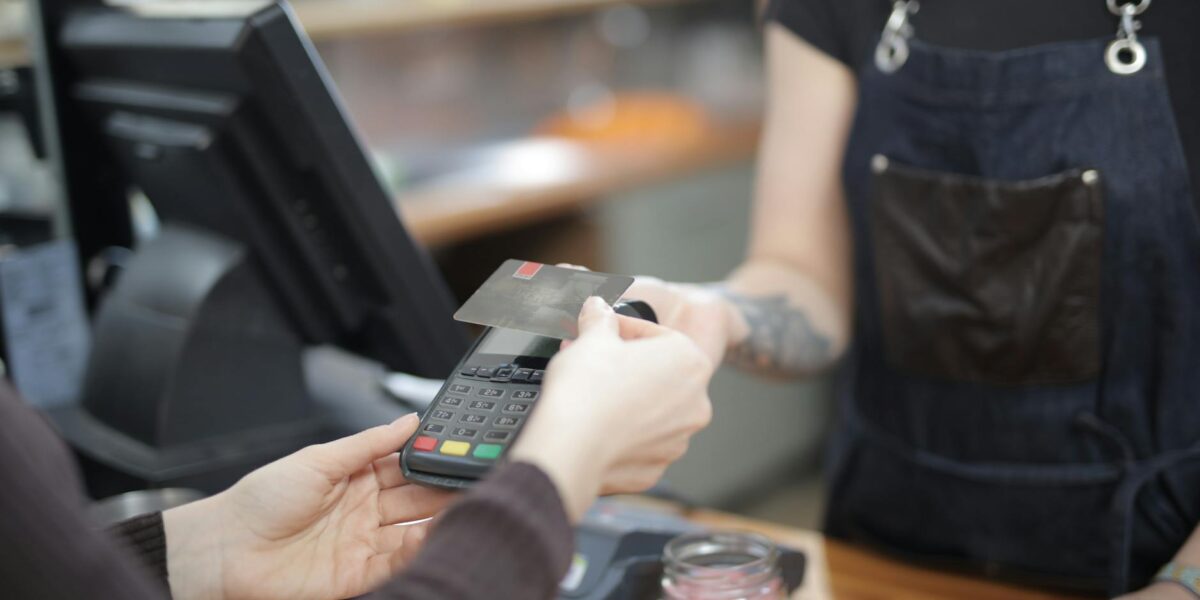
The Tap-and-Tip Revolution
You’ve probably noticed it happening at your local café or corner pub. You tap your card to pay for a £3 espresso or a round of drinks, and the screen suddenly freezes, presenting you with options: No tip, 10%, 15%, 20%. Your thumb hovers. You feel a faint social pressure—even though the barista simply poured a shot and handed you a cup. This phenomenon, long familiar to Americans, is now quietly reshaping the tipping culture global landscape, altering customer habits around the world.
The numbers are striking. SumUp, a major manufacturer of digital payment terminals, reports that the number of UK cafes and restaurants prompting customers to add a tip via card reader surged by 78% between 2022 and 2024. The tipping prompt has become a standard feature of modern payment software. And where the software goes, expectations follow.
The American Template: A Key Driver of Tipping Culture Global
In the United States, the culture of tipping is deeply woven into the fabric of the economy. For waiting staff like Kate Santos, who works at a bar in Queens, New York, tips aren’t a bonus—they’re the bulk of her income. She earns $11 an hour from her employer, but her real salary depends on what customers decide to leave. “If people don’t tip, it’s a bad day for me,” she says. In cities like New York, the expected gratuity has crept up from 15% to a firm 20% minimum. Leave less, and you risk a frosty reception—or even a note scolding you to “learn to tip.”
This expectation is rooted in U.S. labor law that dates back to 1938. The federal minimum wage for tipped workers is just $2.13 an hour—far below the standard $7.25. The government effectively treats tips as a mandatory part of a server’s salary. While some states mandate higher base pay, the system creates a powerful incentive for both workers and employers to defend the tipping status quo.
A Spreading Ripple Effect: Tipping Culture Global in Action
Now, that status quo is traveling. In Iceland, a country where tipping was historically absent because employers paid decent wages, American tourists are changing the landscape. Official data shows that U.S. visitors to Iceland soared from about 50,000 in 2010 to over 660,000 last year. Many of them, accustomed to tipping at home, offer gratuities at bars and restaurants. In response, some Icelandic establishments have programmed their payment terminals to prompt customers for tips. The local reaction? According to a spokesperson for the Efling Union, Iceland’s second-largest union, locals are irritated. “Tipping is not customary in Iceland,” the spokesperson explains, “because there has long been a broad social consensus that employers are responsible for paying their staff decent wages.”
Mexico City tells a similar story. Residents report that American visitors are normalizing the practice, with service-industry workers increasingly expecting a little extra. In the UK, food and drink consultant Lisa Harris notes that high-end restaurants are nudging service charges upward from 12.5% to 15%. “The cost of living is going up in all areas, so it is no surprise there’s tip inflation too,” she says. But Harris also suggests a motive that has little to do with generosity: restaurant owners, squeezed by rising VAT, minimum wage hikes, and soaring food costs, may be using tips as a way to boost staff pay without raising menu prices.
The Psychology of the Screen
Why is this shift happening now? Michael Lynn, a professor at Cornell University and author of The Psychology of Tipping, points to the payment machine itself. Unlike a cash tip or an optional line on a paper receipt, a digital prompt is immediate and public. You’re standing at the counter, the machine faces you, and the cashier is watching. Psychologically, it’s harder to tap “No tip” than it is to drop a coin into a jar. The machine doesn’t just make tipping easier—it makes not tipping feel like a deliberate, awkward choice.
An Unspoken Transaction
What was once a gesture of appreciation for personal service is evolving into an automatic surcharge. Lillian Price, who lives in Philadelphia, feels the change acutely. “It’s for any little thing,” she says. “When do we stop giving tips?” Her frustration echoes a growing sentiment among consumers who feel that tipping has shifted from a reward for exceptional service to an expected tax on every transaction.
Meanwhile, many servers remain protective of the system. Santos, the New York bartender, says she likes the unpredictability—occasionally, she receives a $100 tip on a $70 bill. But she acknowledges the trade-off: during a snowstorm, when customers stay home, a steady wage would be more secure. For now, though, she and millions of other tipped workers are gambling on the kindness of strangers.
A New Global Norm?
The spread of digital tipping prompts comes at a moment when hospitality businesses worldwide are struggling with rising costs and thinner margins. Whether this is a fair way to compensate workers or a method for owners to offload payroll responsibility is a matter of debate. What seems clear is that the tap-and-tip screen has become a small but powerful agent of cultural change—one that is quietly exporting an American tradition, for better or worse, to the rest of the world. For more on how global trends reshape local practices, see Global Push for Child Safety Online. To understand the economic forces behind such shifts, read Why France Wins: The Secret Blueprint Behind Football’s Talent Factory. For authoritative data on global tipping norms, visit Pew Research Center and BBC Business News.