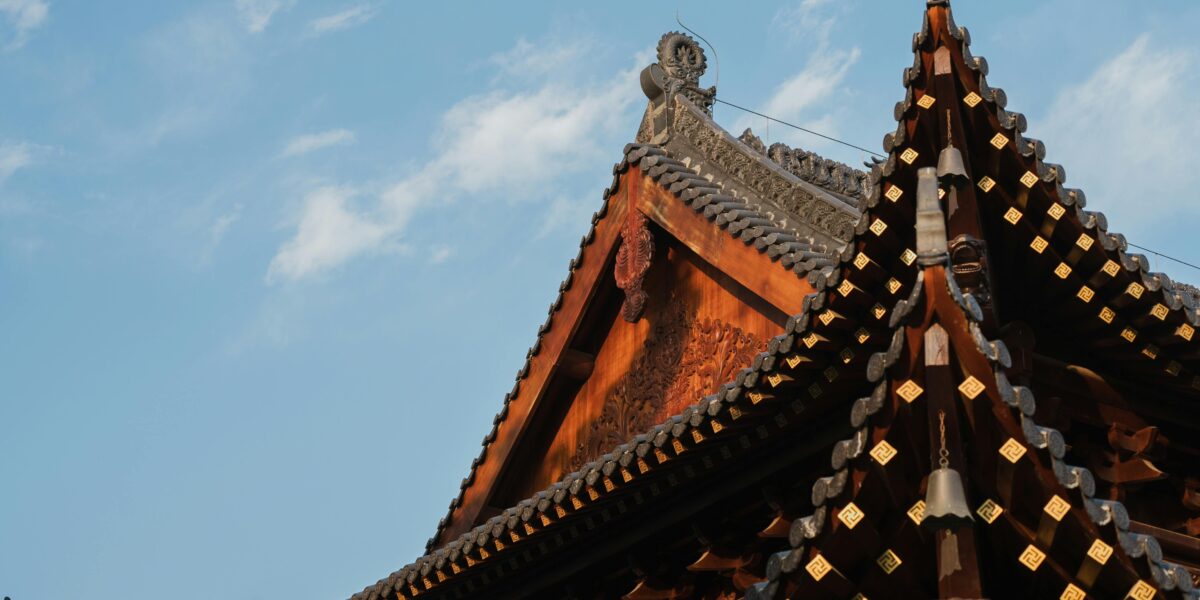
The Shaolin Temple corruption case has reached a landmark conclusion as the former spiritual leader of China’s Shaolin Temple, the ancient monastery that gave birth to kung fu, has been sentenced to 24 years in prison for embezzlement and bribery. Shi Yongxin, once hailed as a modernizer of the temple’s global brand, was found guilty of misappropriating temple assets worth more than 282 million yuan ($42 million) between 2003 and 2025.
A fall from grace for the ‘CEO monk’
Shi Yongxin, born Liu Yingcheng, took over as abbot of the Shaolin Temple in 1999 and quickly became known as the “CEO monk” for his aggressive expansion of the temple’s commercial reach. Under his leadership, Shaolin opened schools abroad, launched touring kung fu troupes, and turned the 1,500-year-old site into a globally recognized brand. Critics, however, argued that the temple’s spiritual mission was being overshadowed by profit.
According to a court in Henan province, Shi used his position to illegally obtain millions from temple construction projects, and also offered huge bribes to government officials. He had earlier confessed to the charges and said on Friday that he would not appeal the verdict.
Shaolin Temple corruption at the heart of a cultural icon
The Shaolin Temple corruption case has shocked many in China and abroad, as the institution is revered not only as a religious site but also as a symbol of Chinese martial arts culture. The temple has been featured in films like Jet Li’s 1982 classic “The Shaolin Temple,” and referenced by the Wu-Tang Clan and in the Mortal Kombat video game series. For millions of fans, Shaolin represents discipline, honor, and spiritual purity.
This case, however, reveals a darker side. Shi was first investigated in 2015 for embezzlement and allegations of fathering several children, but was cleared at the time. In a 2015 interview with BBC Chinese, he famously said, “If there were a problem, it would have surfaced long ago.” Now, a decade later, the problem has surfaced with full force.
Last year, the China Buddhist Association defrocked Shi, stripping him of his monastic status. The sentence sends a strong signal that even the most powerful religious figures are not immune from legal scrutiny, especially when it comes to financial misconduct. For more on how corruption scandals impact cultural institutions, see our article on How Italy’s Raid on a Dead Mafia Boss’s Empire Exposes the Global Drug Money Trail.
Original insight: A broader warning for religious institutions
Beyond the personal downfall of one monk, this case raises uncomfortable questions about the commercialization of religious sites globally. Shaolin Temple is far from alone in monetizing its heritage—from the Vatican’s museums to Hindu temples in India—but the scale of embezzlement here is staggering. The 24-year sentence suggests that Chinese authorities are willing to use anti-corruption laws to control institutions that might otherwise operate with impunity. For other religious organizations that have embraced corporate-like models, this verdict is a warning that spiritual authority does not shield against legal accountability. The question is whether this crackdown will lead to genuine reform or simply push corruption further underground. For a broader perspective on financial misconduct, read about the EU hits Temu with €200 million penalty over unsafe baby toys and faulty electronics.
What happens next to Shaolin Temple?
The temple has yet to announce a permanent replacement for Shi. In the meantime, daily operations continue, and the kung fu shows still draw crowds. But the stain on Shaolin’s reputation may take years to fade. For the thousands of disciples who travel to Henan each year to train and seek enlightenment, the temple must now rebuild not just its brand, but its integrity.