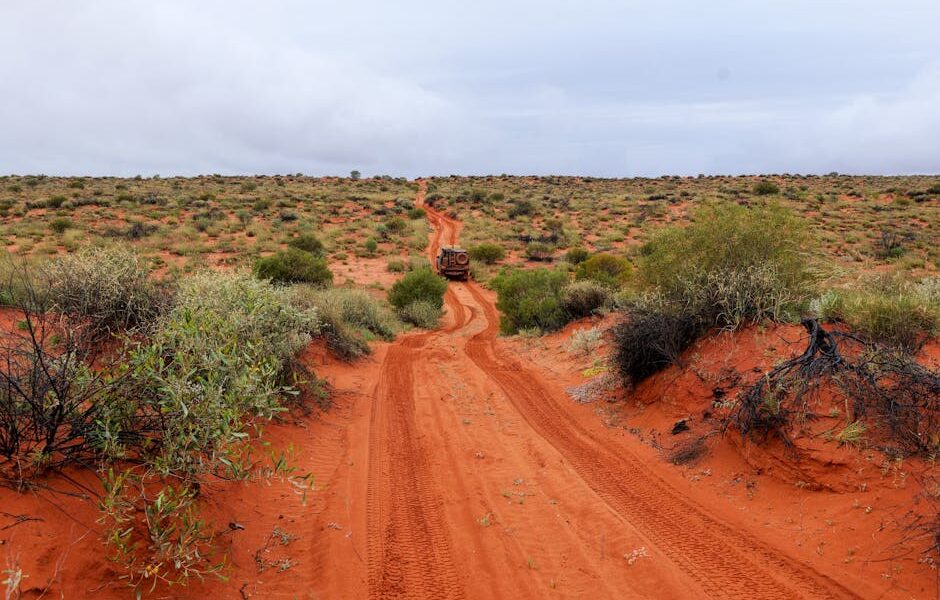
For much of the 20th century, trachoma was a quiet thief of sight in remote Australian communities. It crept in through dusty winds, shared towels, and crowded homes, causing eyelids to scar and corneas to cloud. By the time many people reached middle age, they were blind — and that was considered normal. But not anymore. In 2025, the World Health Organization officially declared Australia free of trachoma as a public health problem, making it the 30th country to achieve this milestone. For the millions who have fought neglected tropical diseases for decades, this is not just a bureaucratic validation. It is proof that even the most entrenched health problems — those tangled up with poverty, isolation, and systemic neglect — can be dismantled with the right mix of science, community trust, and political will.
The Real Story Isn’t Just Medical — It’s About Justice
Trachoma is caused by the bacterium Chlamydia trachomatis. It spreads easily in places where clean water and soap are scarce. For generations, Aboriginal and Torres Strait Islander communities in the country’s interior and north carried the heaviest burden. According to WHO data, as recently as the early 2000s, trachoma was hyperendemic in many of these communities. Yet in the rest of Australia, the disease had vanished long ago with the arrival of modern plumbing and hygiene. This created a glaring health divide: a disease of poverty lingering in a wealthy nation. So when the WHO stamp of approval arrived, it was a testament to decades of targeted work — not just handing out antibiotics, but building washing facilities, running health promotion in local languages, and training Aboriginal health workers to diagnose and treat infections before they scarred eyelids.
The SAFE Strategy That Changed Everything
The global playbook for eliminating trachoma is known by the acronym SAFE: Surgery for advanced cases, Antibiotics to clear infection, Facial cleanliness, and Environmental improvement (like better sanitation). Australia adopted this approach but tailored it to the unique challenges of the Outback. Remote clinics were equipped to perform lid surgery in situ. Mass drug administration campaigns — where entire communities took oral azithromycin — were run alongside programs that dug wells and distributed soap. The result was a steady drop in active trachoma among children, from roughly 14% in 2008 to less than 1% in recent surveys. The last cases are now sporadic and quickly contained. But what makes Australia’s story remarkable is not just the numbers: it is that the work was done in some of the most geographically isolated places on Earth, where a patient might travel 500 kilometres just to see a nurse.
Broader Implications for Neglected Tropical Diseases
Australia’s achievement arrives at a critical moment for global health. The WHO’s 2030 roadmap for neglected tropical diseases sets ambitious targets: to eliminate at least one NTD in 100 countries. Trachoma elimination in Australia demonstrates that national income alone does not guarantee success. Endemic NTDs often exist in the wealthier pockets of the world — think of hookworm in the rural American South a century ago, or Chagas disease in parts of Spain today. What works is perseverance over decades, not just a five-year grant cycle. Australia’s journey also underscores the importance of including Indigenous-led organisations at every stage of planning and delivery. When health campaigns are imposed from the outside, they often fail. When they are co-designed with the communities who live the problem, they endure.
What Still Needs Attention
While the trachoma elimination milestone is cause for celebration, it is not a reason to declare victory and walk away. Surveillance must continue. Trachoma can return if hygiene conditions slip, as seen in a few countries that lost their elimination status after conflicts or natural disasters. Australia must also keep investing in the underlying social determinants — housing, clean water, and education — that made the disease possible in the first place. And there are other, related eye health issues that remain disproportionately high in Indigenous communities, such as diabetic retinopathy and cataracts. The infrastructure and trust built during the trachoma campaign can now be redirected toward these conditions. In that sense, Australia has not just eliminated a disease. It has built a public health muscle that can be flexed again and again.
A Global Call to Follow the Playbook
For nations still grappling with trachoma — including Ethiopia, Sudan, and several Pacific Island states — the Australian example offers a concrete template. The SAFE strategy works. It works especially well when governments partner with local health services and international organisations like the Fred Hollows Foundation and the Kirby Institute. But it also requires patience. Australia’s elimination effort took more than two decades from when the first national trachoma control program was launched in 2001. There were setbacks: funding gaps, staff turnover, and the sheer logistical nightmare of delivering antibiotics to communities that are only accessible by unsealed roads or light aircraft. In the end, persistence paid off — and the world now has one more proof point that eliminating an ancient disease is possible, even in the hardest-to-reach places.