The Maldives, a nation whose name is synonymous with paradise, has been shaken by its worst scuba diving accident in history. The final two bodies of five Italian divers who drowned in an underwater cave were recovered this week, bringing a grim close to a tale of loss that stretches from the sun-soaked atolls to the lecture halls of Genoa.
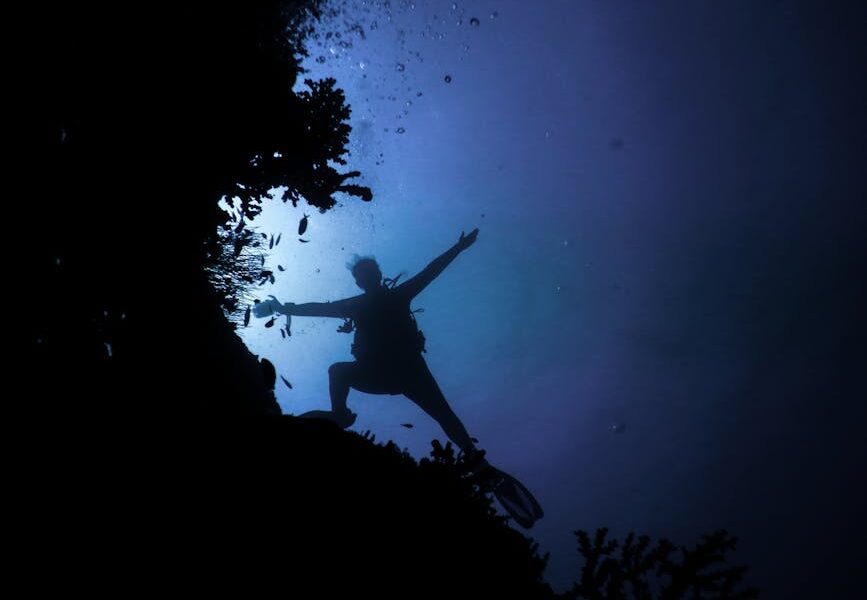
Government spokesman Mohamed Hossain Shareef confirmed that the recovered bodies will be flown to the capital, Malé, and then repatriated to Italy. The victims include Monica Montefalcone, an associate professor of ecology at the University of Genoa; her daughter, student Giorgia Sommacal; recent graduate Federico Gualtieri; research fellow Muriel Oddenino; and diving instructor Gianluca Benedetti. A Maldivian rescue diver also perished during the search. The tragedy unfolded on June 20, when the group entered a deep, cavernous site known locally as “shark cave,” located near the Vaavu atoll.
A Perilous Recovery
The recovery operation was a masterclass in logistical bravery. A team of specialist Finnish divers, using advanced equipment such as underwater scooters, worked in treacherous conditions. The cave, reaching depths of up to 60 meters (197 feet), offered limited space, near-zero visibility, and a labyrinth of chambers. The entrance alone lies at 47 meters, well beyond the limits of recreational diving. The Finnish team brought the bodies to a depth of 30 meters, where Maldivian coastguard divers took over. The operation, which took three hours on its final day, has been described by officials as “complex”—a word that barely captures the danger faced by the rescuers.
What Went Wrong?
Authorities are now investigating the sequence of events that led to the tragedy. Weather conditions at the time were rough, with a yellow warning issued for boats and fishermen. But deeper questions revolve around permissions and oversight. The University of Genoa has stated that it did not authorize a deep-sea cave dive as part of the group’s scientific mission. In fact, the university suspended all dive approvals for scientific purposes in March 2024, following a ministerial decree that updated guidelines for underwater activities. A university spokesperson told the BBC that the dive was undertaken “in a personal capacity” and that requests submitted to Maldivian authorities “were evidently made outside the scope of the mission.” A Maldivian government official added that the diving team had a permit to a depth of 50 meters but had not disclosed plans to enter the cave.
A Family’s Anguish and a Broader Reckoning
The aftermath has sparked a painful family dispute. Carlo Sommacal, husband of Monica Montefalcone and father of Giorgia, has publicly rejected the university’s narrative. “Monica, according to many, is the person who has the most scientific literature on those corals in the world,” he told La Repubblica. “There are hundreds of graduate students writing theses on the Maldives using the data they gather together with Monica… And no one knew anything? It makes me laugh.” His words highlight a tension that runs deep in academia: the gap between formal institutional approval and the de facto expertise of a seasoned researcher.
Original Insight: The Danger of Routine
What makes this accident especially chilling is not the depth or the cave, but the complacency that can come with expertise. These were not reckless novices. Montefalcone was a world-renowned coral ecologist who had conducted countless dives. Benedetti was a seasoned diving instructor. Yet routine can erode caution. When you have logged hundreds of dives in a place, the sense of risk diminishes—especially when you’re pursuing a passion, like watching a daughter follow in her mother’s footsteps. The Maldives’ “shark cave” is not a formal dive site; it is a deep, dark pocket of the ocean that rewards the experienced but punishes the complacent. This tragedy should serve as a powerful reminder that even in paradise, the ocean holds final authority. It also raises an uncomfortable question for universities and institutions: How do you balance trust in your leading researchers with the need to enforce safety protocols? In this case, both worlds failed to meet, with devastating consequences.