The suspension of a senior Buddhist monk in Sri Lanka over allegations of child sexual abuse has sent shockwaves through a society where religious figures are rarely subjected to public scrutiny. This case highlights urgent issues in child protection Sri Lanka, as the case of Pallegama Hemarathana, a 71-year-old monk and chief custodian of a sacred fig tree in Anuradhapura, marks a rare instance of disciplinary action within the clergy and has reopened difficult questions about accountability in religious institutions.
A sacred trust broken: child protection Sri Lanka under scrutiny
Hemarathana was arrested on May 9 after an 11-year-old girl accused him of sexually abusing her in 2022 at the Jaya Sri Maha Bodhi temple, one of the most revered Buddhist sites in Sri Lanka. The temple draws thousands of pilgrims daily who come to pay homage to the tree believed to be a sapling of the original fig under which the Buddha attained enlightenment. The monk was granted bail shortly after his arrest, and a court has prohibited him from leaving the country while investigations continue.
Rare action from the Buddhist hierarchy
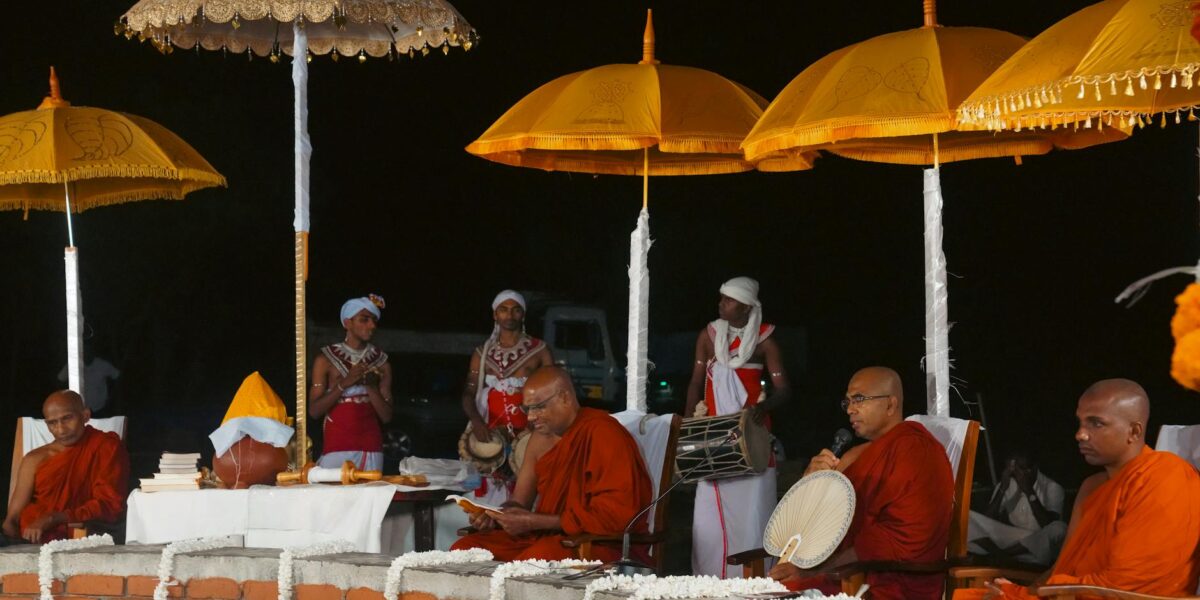
On the same day Sri Lanka celebrated Vesak — the holiest day in the Buddhist calendar — the Council of Monks of the Malwatte Chapter announced Hemarathana’s suspension. The statement said the suspension would remain in effect until the conclusion of legal proceedings. Though the move is unprecedented for a monk of his stature, critics argue it is merely symbolic without broader reforms for child protection Sri Lanka.
Authorities have also arrested the alleged victim’s mother on charges of aiding and abetting the monk, a detail that has puzzled observers and drawn criticism from child rights advocates. Legal experts say the mother’s arrest could deter other families from reporting abuse by religious figures, undermining child protection Sri Lanka efforts.
Beyond one case: a pattern of impunity
This is not an isolated incident. In recent years, multiple cases of clergy abusing children have surfaced in Sri Lanka, but Hemarathana is by far the most senior monastic figure to face such allegations. The contrast is stark when compared to the case of 22 monks arrested last month at Colombo’s airport for attempting to smuggle 110 kilograms of cannabis. Those monks remain in custody but have not been suspended from the priesthood, raising questions about inconsistency in how the Buddhist hierarchy handles misconduct. For more on global child safety issues, see Global Push for Child Safety Online.
Original insight: the silence of reverence
What makes the Hemarathana case particularly troubling is the culture of deference that surrounds senior monks in Sri Lanka. In a country where roughly 70 percent of the population is Buddhist, religious leaders are often treated as moral authorities beyond reproach. Victims and their families face immense social pressure to stay silent, fearing ostracism or even retaliation from the community. The suspension, while welcome, does little to address the systemic vulnerability of children in temple environments. Without mandatory reporting laws, independent oversight, and educational programs on child safety within monasteries, cases like this are likely to remain the exception rather than the beginning of a reckoning for child protection Sri Lanka.
What happens next
Hemarathana faces a criminal trial, and his suspension signals that the Buddhist establishment is at least willing to distance itself from accused members during legal proceedings. However, child protection advocates say the real test will be whether the hierarchy follows through with permanent defrocking if he is convicted, and whether it implements preventive measures across all temples. For now, the case has opened a rare window for public debate on an issue that has long been considered taboo. Whether that window leads to lasting change or simply closes after the headlines fade remains to be seen. For authoritative guidance on child protection, visit UNICEF Child Protection.